
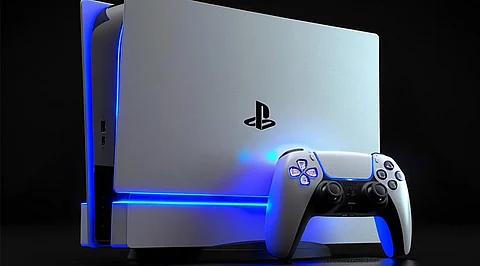
The anticipated launch of the PlayStation 6 (PS6) may encounter delays, primarily due to a significant shortage of RAM and rising component costs. Originally expected to debut in late 2027 or early 2028, recent reports indicate that production timelines are uncertain. The gaming industry is grappling with a surge in demand for memory modules driven by advancements in artificial intelligence.
As AI technologies continue to advance, companies like Sony are facing increased pressure on their supply chains. The escalating demand for RAM is pushing memory prices higher, complicating the launch plans for the PS6 and similar next-generation consoles. According to industry analysts, the potential exit of Micron from the consumer market, projected for March 2026, could exacerbate these supply challenges.
Impact on Pricing and Production
The impact of these conditions is multifaceted. The anticipated retail price for the PS6 in India is estimated to range between Rs 75,000 and Rs 80,000, reflecting the rising costs of components. This pricing strategy may deviate from Sony’s traditional approach, as manufacturers reassess their market strategies in light of increased production costs.
The PS6 is expected to feature a cutting-edge chipset developed in collaboration with AMD, codenamed Project Amethyst. This chipset is anticipated to leverage AMD’s next-generation Zen 6 CPU architecture and RDNA 5 graphics technology. Moreover, it will reportedly integrate a neural processing unit (NPU), enabling enhanced AI capabilities. These advancements could lead to improved upscaling, advanced lighting effects, and more efficient performance management, all while minimizing power consumption.
Technical Specifications and Future Outlook
Preliminary reports indicate that the main console may be equipped with approximately 30GB of unified memory, while a potential handheld version is speculated to feature 24GB. These specifications promise a significant leap in gaming performance, catering to the growing demand for high-quality gaming experiences.
Despite the looming uncertainties, some experts remain cautiously optimistic about the PS6’s launch timeline. There is hope that the gaming industry can recalibrate its production processes to address current challenges. Nonetheless, if the supply chain issues persist, delays may push the PS6’s release further into the 2027-2028 window.
As the gaming community eagerly awaits the next chapter in Sony’s PlayStation saga, the implications of these developments will likely shape the market landscape for years to come.