
URGENT UPDATE: New insights reveal that common network speed tests may not accurately reflect your internet experience. Instead, the real culprit behind choppy video calls and lagging online games could be a condition known as bufferbloat, which is impacting users’ online activities right now.
As of today, many internet users are frustrated by slow performance despite achieving seemingly acceptable speeds on tests. The growing reliance on cloud applications and online communication during peak usage times highlights the importance of understanding what’s really happening with your network. Experts urge consumers to look beyond traditional speed tests, which often provide a misleading sense of security.
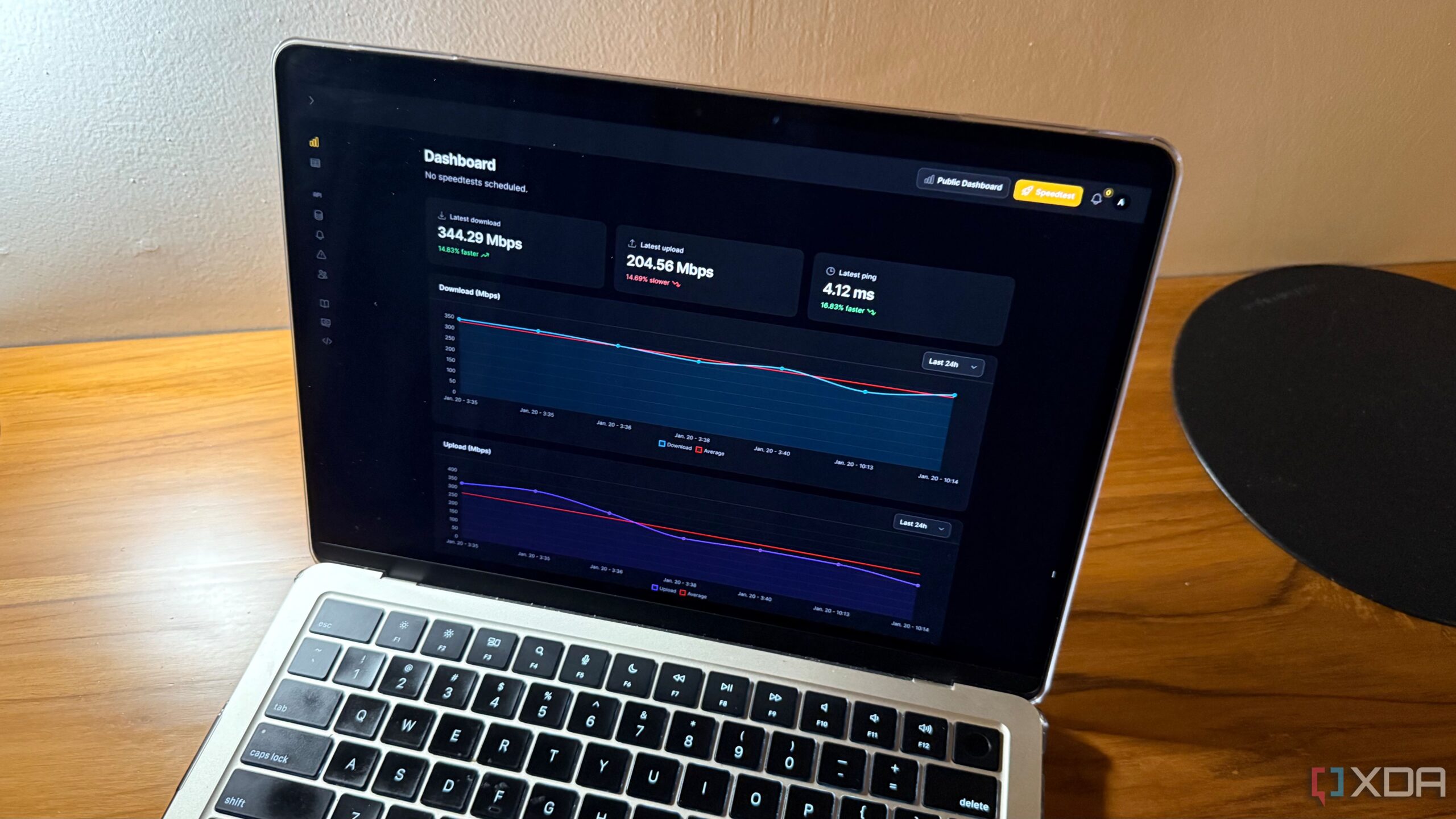
Most speed tests are designed to deliver ideal conditions, showcasing maximum throughput without revealing how the network performs under real-world conditions. This means that while a speed test might show a healthy 900 Mbps download speed, the experience can drastically drop when multiple devices are active, or when uploads coincide with downloads.
Bufferbloat occurs when network devices—such as modems, routers, and ISP equipment—over-buffer data, leading to increased latency. This means that while your connection might be fast, it can become painfully slow during crucial tasks. For instance, latency can spike from a normal 20 milliseconds to over 1000 milliseconds during heavy traffic, severely impacting video calls and gaming sessions.
To effectively diagnose bufferbloat, users are encouraged to monitor their latency while engaging in large downloads or uploads. If latency increases significantly, this indicates that bufferbloat is likely the issue. Tools like the online test available on Waveform’s website can provide a bufferbloat grade, offering insights into the severity of the issue.
Experts suggest that while speed tests can confirm that ISPs deliver on their promises and identify major line problems, they fall short in assessing real-time network performance. If a wired connection consistently underperforms, users may need to consider upgrading their routers.
The recommended solution for addressing bufferbloat is to implement Smart Queue Management (SQM). This technology helps manage data flow effectively, reducing latency spikes by slightly slowing down traffic to prevent excessive buffering. While it may seem counterproductive, this small adjustment can lead to a much more responsive network.
If you’re experiencing high ping in games or struggling with video calls, upgrading to a router with effective SQM capabilities could be a wise investment. As users increasingly depend on reliable internet connections for work and leisure, addressing these issues becomes critical.
The urgency of this situation cannot be overstated. With more people engaging in remote work and online communication, understanding and fixing bufferbloat is essential for maintaining a smooth internet experience. Share this update with others who may be facing similar connectivity challenges, and help spread awareness of this critical issue.