
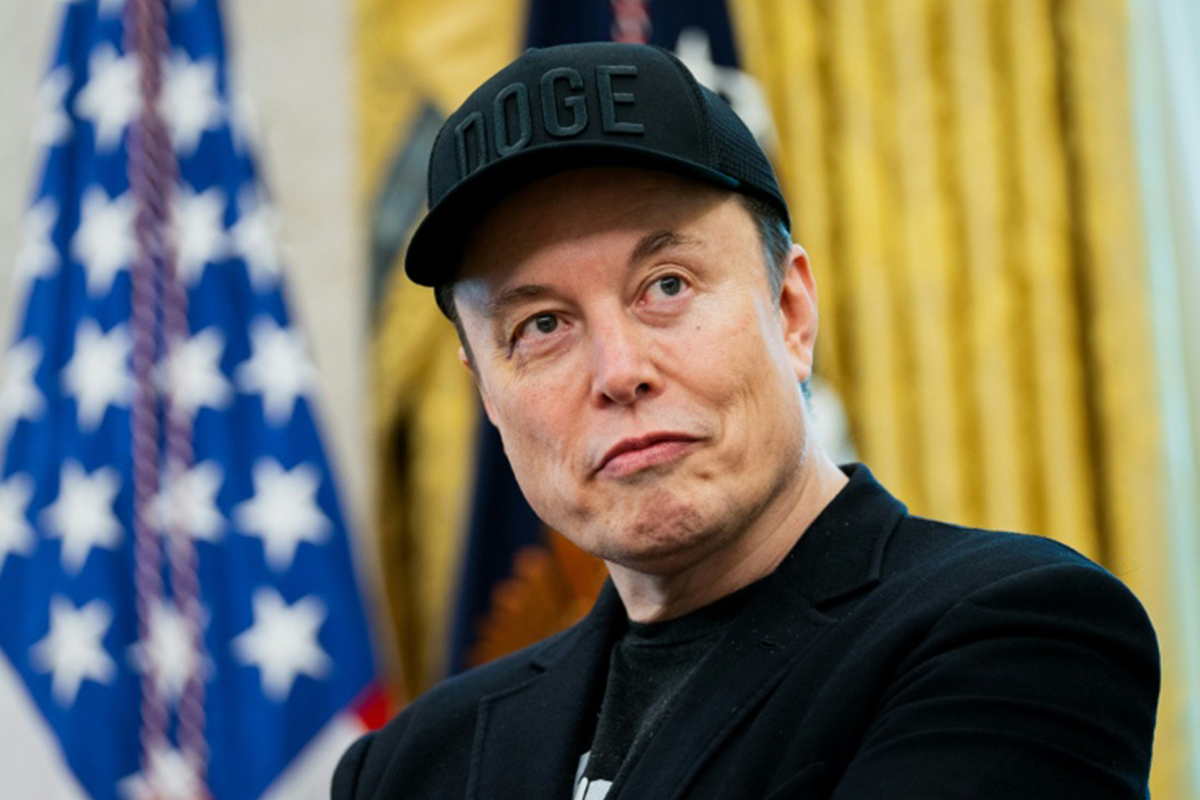
UPDATE: Elon Musk has just announced his intention to pursue full custody of his one-year-old son, igniting intense scrutiny over the child’s mother, Ashley St Clair, and her recent comments on transgender issues. This significant development has transformed a private family matter into a highly publicized legal battle, prompting widespread public interest and debate.
The custody dispute, which has unfolded primarily through legal filings and social media exchanges, highlights deep-seated concerns Musk has regarding the child’s upbringing. Although no court has ruled on the matter yet, Musk linked his custody pursuit to St Clair’s remarks, suggesting they raised alarm about the child’s future. He has not claimed any immediate risk but emphasizes long-term considerations.
St Clair, a media personality known for her conservative views, confirmed Musk as the father shortly after their child’s birth in 2024. The relationship has now shifted from private to adversarial, with both parents publicly addressing the ongoing dispute as legal proceedings progress. Musk’s decision to seek custody comes amidst a backdrop of St Clair’s evolving stance on transgender issues, which has drawn considerable attention.
In her earlier public career, St Clair was openly critical of transgender activism, particularly regarding youth medical care and education. However, she has since acknowledged the harm caused by her past language and expressed support for the transgender community. Importantly, she has not made any claims regarding raising their child in a transgender identity or pursuing medical interventions, with no such assertions appearing in court documents.
Musk’s actions have reignited discussions surrounding his long-standing and often controversial views on gender identity, which have previously attracted significant media attention. Public reaction has been sharply divided, with some interpreting Musk’s custody move as protective, while others question the appropriateness of public commentary in custody cases.
Legal experts emphasize that courts typically evaluate custody arrangements based on stability, caregiving history, and the child’s best interests, rather than the parents’ political or social beliefs. Currently, there is no evidence suggesting the child faces imminent harm, nor have specific parenting decisions related to gender been proposed in the legal filings.
As this high-profile custody battle evolves, it continues to shine a light on the intersection of personal beliefs, online discourse, and celebrity influence within family law. While the legal process unfolds at a deliberate pace, the implications of this case resonate widely, reflecting broader societal debates on parental rights and gender identity.
As the case progresses, observers are urged to remain attentive to how personal ideologies and public statements could impact custody determinations moving forward. The coming weeks will be critical as both parties navigate this complex legal landscape, highlighting the urgent need for clarity in modern custody disputes.