
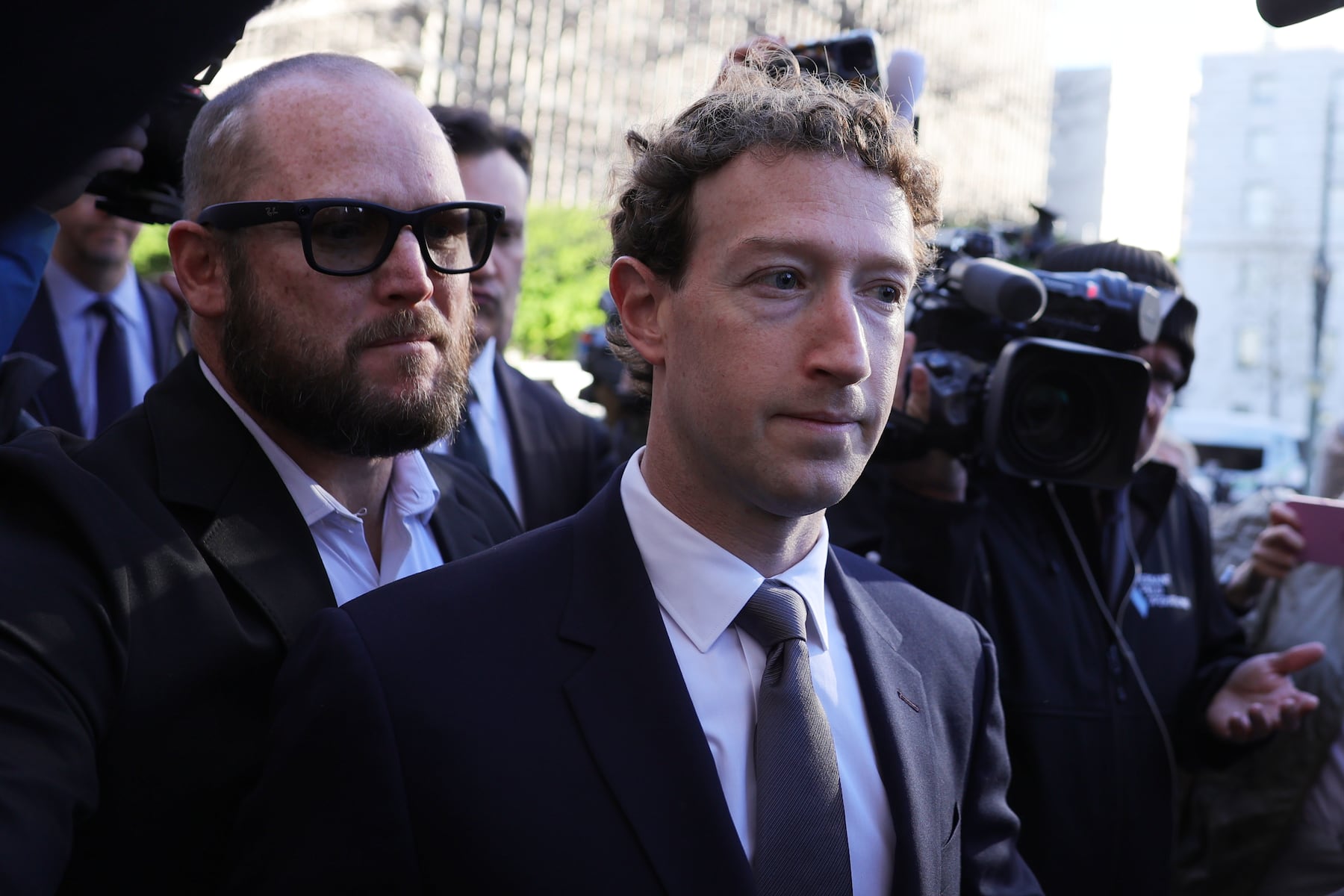
UPDATE: In a dramatic courtroom showdown, Meta CEO Mark Zuckerberg faced intense questioning in Los Angeles today regarding the impact of Instagram on young users. The ongoing trial scrutinizes whether Meta’s platforms deliberately harm children, with significant implications for social media accountability.
The trial, which began earlier this week, centers on claims from a now 20-year-old woman identified as KGM. Her attorneys argue that early exposure to Instagram led to addiction, exacerbating her depression and suicidal thoughts. Josh Golin, executive director of Fairplay, criticized Zuckerberg’s testimony, stating, “All Mark Zuckerberg accomplished today was to prove yet again that he cannot be trusted, especially when it comes to kids’ safety.”
During the hearing, Zuckerberg maintained that there is no conclusive evidence linking social media use to mental health issues, stating, “I still agree with the existing body of scientific work.” He responded to plaintiff attorney Mark Lanier’s questioning on addiction by saying, “I’m not sure what to say to that. I don’t think that applies here.” Lanier challenged Zuckerberg’s previous congressional testimony that Instagram staff do not have targets for increasing usage time, presenting internal documents that appeared to contradict this assertion.
Zuckerberg clarified that while goals related to time spent were once in place, the company has shifted its focus to providing utility instead. He emphasized, “If something is valuable, people will use it more because it’s useful to them.”
The Meta CEO was also grilled about the company’s age verification policies. Zuckerberg asserted that Instagram restricts users under 13 and actively works to detect those who lie about their ages. Throughout the questioning, he maintained a consistent narrative, often disagreeing with Lanier’s characterizations of his comments and the company’s actions.
As the trial continues, the court is examining Meta’s internal practices, including how they handle features like beauty filters. Despite external experts raising concerns about these tools, Zuckerberg insisted on a “high bar” for restricting features, claiming a lack of evidence for potential harm.
The stakes are incredibly high, as this trial could set a precedent for thousands of similar lawsuits against social media companies. Paul Schmidt, one of Meta’s attorneys, argued that while KGM experienced mental health struggles, Instagram did not significantly contribute to them. He pointed to her turbulent home life as a factor that influenced her engagement with social media.
This hearing marks a pivotal moment, as bereaved parents affected by social media’s potential risks sit in the courtroom, highlighting the emotional weight of the proceedings. The outcome of this trial could reshape the landscape of social media regulation and accountability.
As more evidence unfolds, observers are keenly watching how this landmark case will influence future legislation and corporate practices in the tech industry. The trial is expected to continue with further testimonies and expert evaluations in the coming days.