
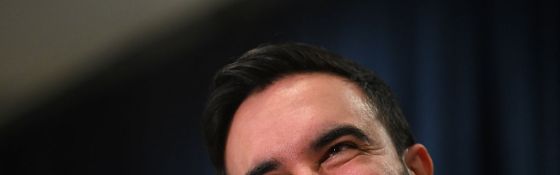
When Zohran Mamdani was sworn in as the 111th Mayor of New York City on January 1, 2026, he committed to addressing key issues such as affordability, government transparency, and the needs of working-class residents. As a self-identified Democratic Socialist, Mamdani’s initial weeks in office have been marked by swift actions in housing, transportation, fiscal policy, and structural reforms, setting a tone that departs significantly from the previous administration.
Housing Initiatives: An Immediate Focus
Mamdani prioritized housing affordability from day one. One of his first executive actions was to reinstate the city’s Office to Protect Tenants, designed to shield renters from illegal evictions, unsafe living conditions, and exploitative practices. He appointed housing activist Cea Weaver to lead this agency, emphasizing his alignment with tenant advocacy groups.
“Today, on the first day of this new administration, on the day where so many rent payments are due, we will not wait to deliver action,” Mayor Mamdani stated after taking office. He underscored the need for a strong advocate at the helm, declaring, “You cannot hold landlords who violate the law to account unless you have a proven principled and tireless fighter.”
In a proactive step, Mamdani initiated citywide “Rental Ripoff” hearings within his first 100 days. These sessions allow tenants to report hidden fees, neglectful landlords, and mismanagement, aiming to amplify tenant voices and gather data for legislative action.
To tackle housing supply issues, Mamdani established two task forces: SPEED (Streamlining Production for Efficient and Equitable Development) to eliminate bureaucratic hurdles in affordable housing construction, and LIFT (Land Identification for Future Transformation) to identify underutilized city-owned land for housing projects. These initiatives aim to expedite housing production while ensuring tenant protections remain intact.
In a significant legal intervention, Mamdani directed the city to engage in the bankruptcy proceedings of Pinnacle Realty, a landlord with a history of violations affecting thousands of tenants. This move, announced on January 1, highlighted the administration’s commitment to safeguarding tenant rights in the face of neglectful property management.
Transportation and Infrastructure Developments
While Mamdani’s ambitious campaign promise of free city buses requires collaboration with the state-controlled Metropolitan Transportation Authority, he has already taken steps to advance local transportation projects. He has authorized the continuation of several paused initiatives from the previous administration, including the redesign of McGuinness Boulevard in Greenpoint, which will incorporate protected bike lanes and enhancements for pedestrian safety.
Addressing public health and accessibility, the administration allocated $4 million for the installation of modular public restrooms across the city. In a hands-on demonstration of his commitment, Mamdani personally participated in the repair of a hazardous bump on the Williamsburg Bridge bike lane and has committed to expanding visibility at intersections through “daylighting” measures.
Fiscal Policy and Governance Reforms
Mamdani’s preliminary budget reflects a focus on youth services and education, proposing $106 million for the Summer Rising youth program and $70 million for preschool special education services. He has advocated for a 2% increase in personal income tax for New Yorkers earning over $1 million annually, along with higher corporate rates, aiming to address the city’s budget gap without sacrificing essential services.
To enhance efficiency, he created Chief Savings Officer positions in every city agency, tasked with identifying waste and modernizing operations. This initiative is part of a broader strategy to demonstrate fiscal responsibility while pursuing progressive spending.
Mamdani has also acted quickly to redefine city governance. He signed an executive order rescinding all directives issued by former Mayor Eric Adams after September 26, 2024, following Adams’s federal indictment. This action was framed as an administrative reset, with Mamdani stating, “Today marks the first step in building an administration that works for all New Yorkers.”
To facilitate community engagement, he established a new Office of Mass Engagement, led by former campaign director Tascha Van Auken, aimed at centralizing public participation initiatives and strengthening ties with local organizations.
In terms of judicial appointments, Mamdani named Ali Najmi to chair the Mayor’s Advisory Committee on the Judiciary and appointed several new judges to the Criminal and Family Courts. These appointments reflect his desire to influence the city’s legal landscape early in his term.
As Mamdani’s administration takes shape, the effectiveness of his ambitious proposals, particularly around fare-free buses and new tax structures, will be tested against the realities of city politics and fiscal constraints. Nevertheless, his early actions signal a determined effort to translate campaign promises into tangible changes for millions of New Yorkers.