
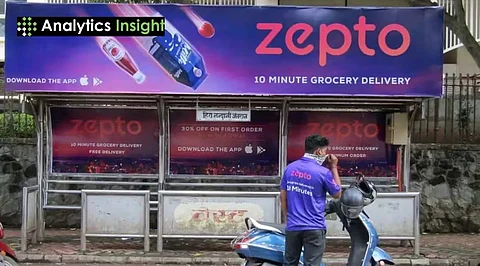
Zepto, a prominent player in the quick commerce sector, revealed a remarkable sales increase of 129% in the fiscal year ending March 2025, reaching Rs. 9,669 crore. Despite this surge in revenue, the company experienced a significant rise in its net loss, which expanded to Rs. 3,367.3 crore, an increase of 177% from Rs. 1,214.7 crore in FY24. The data was disclosed in audited financial statements submitted to the Ministry of Corporate Affairs.
As Zepto prepares for an Initial Public Offering (IPO), the latest financial results highlight both the growth and challenges within the quick commerce industry. The competitive landscape has intensified, pressuring profit margins as companies vie for market share.
Sales Growth and Operational Challenges
During FY25, Zepto expanded its quick commerce network, which contributed to higher order volumes. The company enhanced its delivery capacity and diversified its product offerings across key markets. Despite prevailing economic conditions that reflected weaker consumer sentiment, Zepto’s sales trajectory remained strong.
However, the way revenue is recorded in quick commerce complicates direct comparisons with competitors. Companies in this sector typically recognize operational revenue at 15% to 20% of their gross merchandise value. Based on this standard, analysts estimate Zepto’s operational revenue for FY25 to be between Rs. 1,500 crore and Rs. 2,000 crore. In contrast, competitors reported higher operational revenues, with Blinkit declaring Rs. 5,206 crore and Swiggy’s Instamart recording Rs. 2,252 crore.
These figures underscore the rapid expansion of the quick commerce sector and highlight the varying scales of operation among its leading players.
Widening Losses Amid Increased Investment
Zepto’s net loss reflects growing expenditures in various areas, including fulfillment, warehousing, marketing, and staffing. To bolster its delivery speed and market coverage, the company has significantly increased its operational capacity. This strategic investment, while essential for growth, has led to a widening loss even as sales rose.
Comparing profitability across the sector presents challenges due to differing reporting standards. Zepto’s financials are presented at the company level, whereas publicly-listed competitors often share adjusted EBITDA figures for their quick commerce divisions. For FY25, one peer reported an adjusted EBITDA loss of Rs. 2,095 crore, while the market leader recorded a loss of Rs. 292 crore. Such discrepancies reveal diverse levels of operational efficiency and cost management within the industry.
The dynamics of the quick commerce sector continue to evolve, presenting both opportunities and obstacles for companies like Zepto as they navigate this competitive landscape.
IPO Preparations and Future Outlook
As Zepto moves towards its IPO, the company has outlined plans for a public offering estimated at around Rs. 11,000 crore. Reports indicate that this offering may consist of new equity alongside an offer for sale. The company is expected to submit its draft red herring prospectus through a confidential route.
Prior to its IPO preparations, Zepto raised $450 million in fresh funding, bringing its total capital raised to $2.3 billion and valuing the company at approximately $7 billion. During an extraordinary general meeting held on December 23, shareholders confirmed the appointments of Aadit Palicha, Kaivalya Vohra, and Ramesh Bafna as whole-time directors.
The forthcoming IPO represents a critical step for Zepto as it aims to solidify its position in the burgeoning quick commerce market. The company’s ability to balance growth with operational efficiency will be key as it competes in an increasingly challenging environment.