
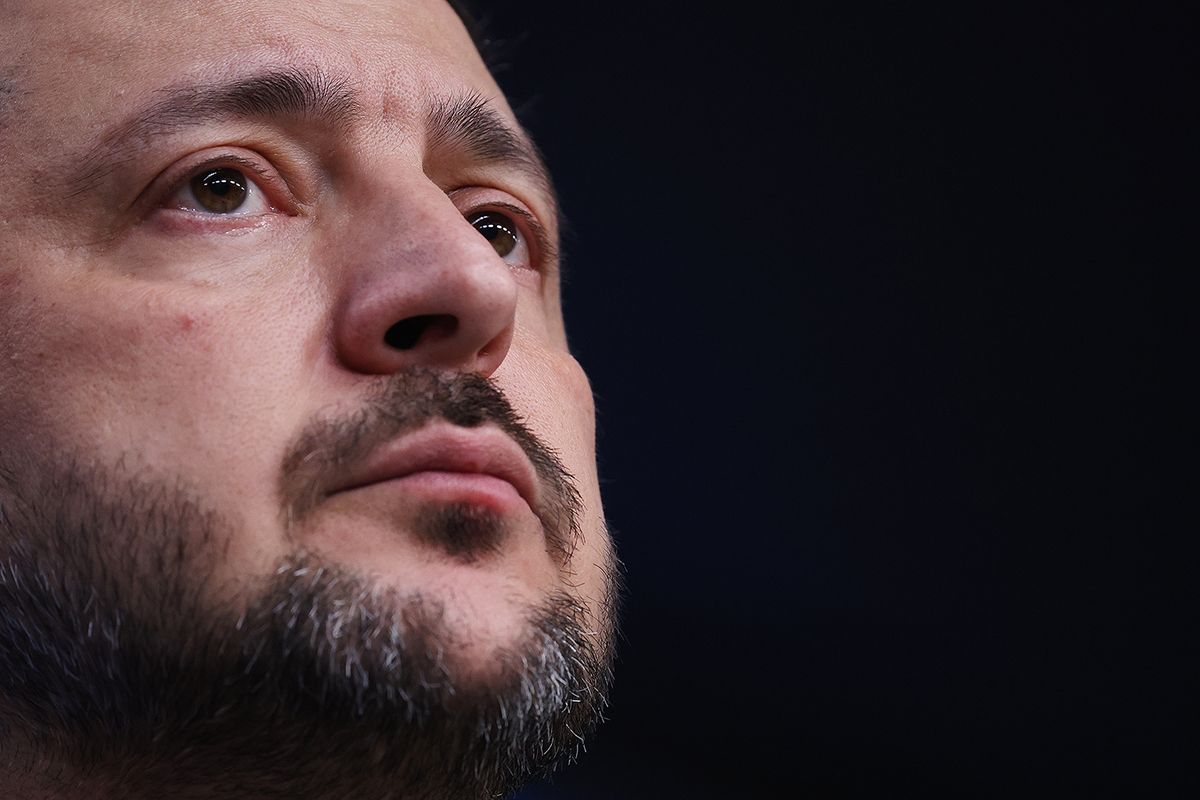
BREAKING: Ukrainian President Volodymyr Zelenskyy has expressed cautious optimism regarding ongoing ceasefire negotiations, following recent discussions involving the United States and European leaders. This marked a pivotal moment in the war as concrete trade-offs finally begin to take shape, moving past months of stagnation.
The urgency of these talks cannot be overstated. As Ukraine seeks legally binding security guarantees from its Western allies—something it has pursued since gaining independence from Moscow in 1991—the stakes are incredibly high. Zelenskyy’s administration has long grown weary of unfulfilled political assurances, and this potential shift indicates a significant victory for Kyiv.
However, Zelenskyy’s optimism comes with a heavy dose of realism. Recent history has taught Ukraine that ceasefire lines are only as effective as the enforcement behind them. The 2015 Minsk Agreement serves as a stark reminder; despite a ceasefire declared on February 15, 2015, fighting persisted. Russian forces continued their assault on strategic locations like Debaltseve, undermining any hope for peace. Ukrainian troops were forced to withdraw, highlighting that the ceasefire merely provided a cover for further territorial gains by Russia.
As negotiations advance, Zelenskyy is reportedly open to discussing painful compromises regarding sensitive territorial issues, particularly in the conflict-ridden region of Donbas. However, the primary concern remains: what safeguards are in place to prevent Russia from exploiting any ceasefire to solidify its grip on occupied territories?
“If Ukrainian forces withdraw, what physically prevents Russia from moving in?”
This question looms large as both sides navigate the complexities of these negotiations. While the U.S. and Europe may impose sanctions or accelerate military support in response to violations, the grim reality remains: no foreign troops are likely to intervene on the ground to remove Russian forces once a ceasefire is in place.
The Ukrainian government recognizes the potential pitfalls of a ceasefire without robust enforcement mechanisms. Past experiences have made it clear that compliance can often lead to further aggression from Russia, as seen in previous conflicts.
As the situation evolves, all eyes will be on the upcoming discussions between Ukraine and its allies. The world is watching to see if Zelenskyy’s cautious optimism can translate into tangible security assurances that will provide genuine protection for Ukraine’s sovereignty and territorial integrity.
This is a developing story, and further updates will be provided as negotiations progress. The implications of these talks could reshape not only Ukraine’s future but the broader geopolitical landscape in Eastern Europe.