
As smartwatches evolve into multifunctional devices, ZDNET has developed a rigorous testing methodology to evaluate their performance in 2026. With features such as voice assistants, crash detection, and extensive health tracking capabilities, these devices have transcended their role as mere accessories. This article details how ZDNET assesses smartwatches, ensuring that consumers are well-informed before making a purchase.
Testing Process and Evaluation Criteria
Most smartwatches reviewed by ZDNET are acquired after their public release, allowing for thorough evaluation without the pressure of immediate publication. Each device undergoes a minimum of two weeks of continuous wear to accurately assess battery life, health tracking accuracy, GPS reliability, and overall design. ZDNET maintains relationships with prominent smartwatch brands, enabling direct communication to clarify any technical specifications during the evaluation process.
The performance of smartwatches is influenced by various factors, including individual body geometry, the fit of the wristband, and the specific smartphone model paired with the watch. With this in mind, ZDNET tests smartwatches using devices compatible with different smartphone ecosystems, documenting experiences to provide a comprehensive perspective.
While price and battery life are important considerations, they are not the sole determinants for ZDNET’s recommendations. Most smartwatches fall within the range of $300 to $500, and generally require daily charging unless they are fitness-focused models designed for longer battery life.
Key Evaluation Factors
ZDNET’s recommendations hinge on five critical factors: core functionality and performance, build quality and durability, health and wellness features, application availability, and advanced functionalities. Each factor is assessed based on the team’s extensive experience with smartwatches dating back over 20 years.
**Core functionality and performance** are paramount. A smartwatch must reliably display the time and manage notifications seamlessly. ZDNET evaluates how well the device communicates with smartphones, ensuring that notifications are received consistently. Custom watch faces and third-party applications are also tested for usability and personalization.
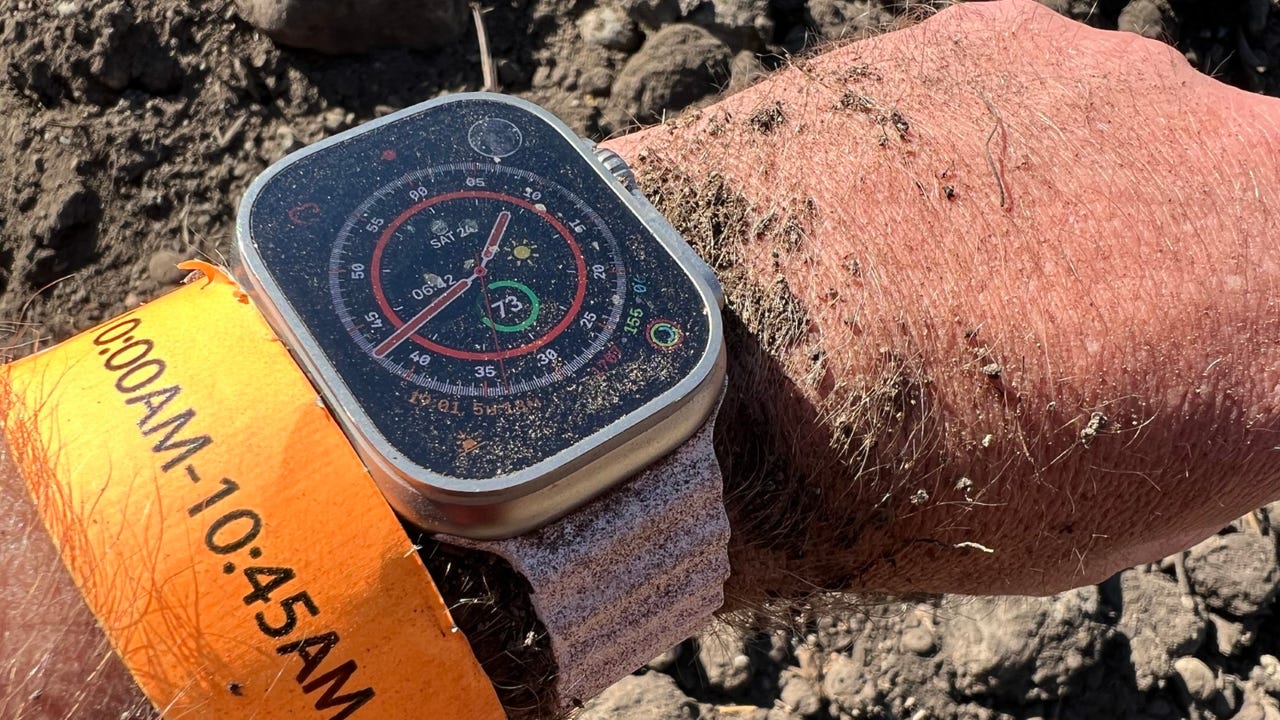
**Build quality and durability** are essential in today’s market, where smartwatches face exposure to various elements. ZDNET examines water resistance ratings, scratch resistance of the glass face, and the materials used in the watch’s construction. Each device is subjected to outdoor conditions, including rain and physical activities, to assess how well they withstand wear and tear.
The integration of **health and wellness** features has significantly transformed smartwatches. Advanced capabilities, such as heart rate monitoring and sleep tracking, are now standard. ZDNET investigates how well these features function, especially with the latest advancements from brands like Apple and Samsung, which integrate AI and personalized coaching into their health applications.
In terms of **applications**, ZDNET analyzes the breadth and functionality of available software. The evolution of app ecosystems on platforms like Apple’s watchOS and Google’s Wear OS has expanded greatly, and ZDNET tests a core set of applications to gauge their performance on different devices.
Finally, **advanced features** like satellite connectivity and incident detection are assessed. These functionalities enhance the overall user experience and safety of the smartwatch. ZDNET reviews how these capabilities perform in real-world scenarios, including emergency SOS features that can be vital for users in remote locations.
As smartwatches continue to advance, ZDNET remains committed to providing thorough evaluations, ensuring consumers are equipped with the necessary insights to make informed decisions. With an ever-growing array of functions, smartwatches are becoming indispensable tools for users seeking to enhance their daily lives, whether through fitness tracking or seamless connectivity.