
As smartwatches continue to evolve into multifunctional devices, ZDNET has outlined its rigorous testing methods for evaluating these gadgets in 2026. With features such as voice assistants, crash detection, and health tracking, modern smartwatches have transcended their initial role as mere accessories. ZDNET’s approach sheds light on how these devices are assessed for functionality, durability, and compatibility with smartphones.
Detailed Evaluation Process
The team at ZDNET typically purchases smartwatches after their public release, allowing for an in-depth review without the pressure of immediate publication. Each device undergoes at least two weeks of continuous wear to accurately measure battery life, health and wellness tracking capabilities, GPS accuracy, and heart rate sensor reliability. This thorough evaluation process helps to ascertain how well each smartwatch integrates with its corresponding smartphone app.
ZDNET maintains strong relationships with major smartwatch manufacturers, allowing the team to clarify technical aspects during the evaluation phase. Although a variety of third-party applications are tested, the vast number of options available means that individual user experiences may differ. Factors such as body geometry, wristband fit, and smartphone compatibility also play a significant role in performance outcomes.
Core Factors for Recommendation
Price and battery life are considered, but they are not the primary concerns since most smartwatches range from $300 to $500 and typically require daily charging. Instead, ZDNET emphasizes five key evaluation factors: core functionality and performance, build quality and durability, health and wellness features, application support, and advanced functionalities.
The core functionality of a smartwatch must be reliable. It should clearly display the time and efficiently manage notifications. Evolution in design allows for customizable watch faces, enabling users to personalize their devices while providing quick access to essential information. A smartwatch’s ability to serve as a notification hub enhances its value, allowing users to check updates without needing to reach for their smartphones.
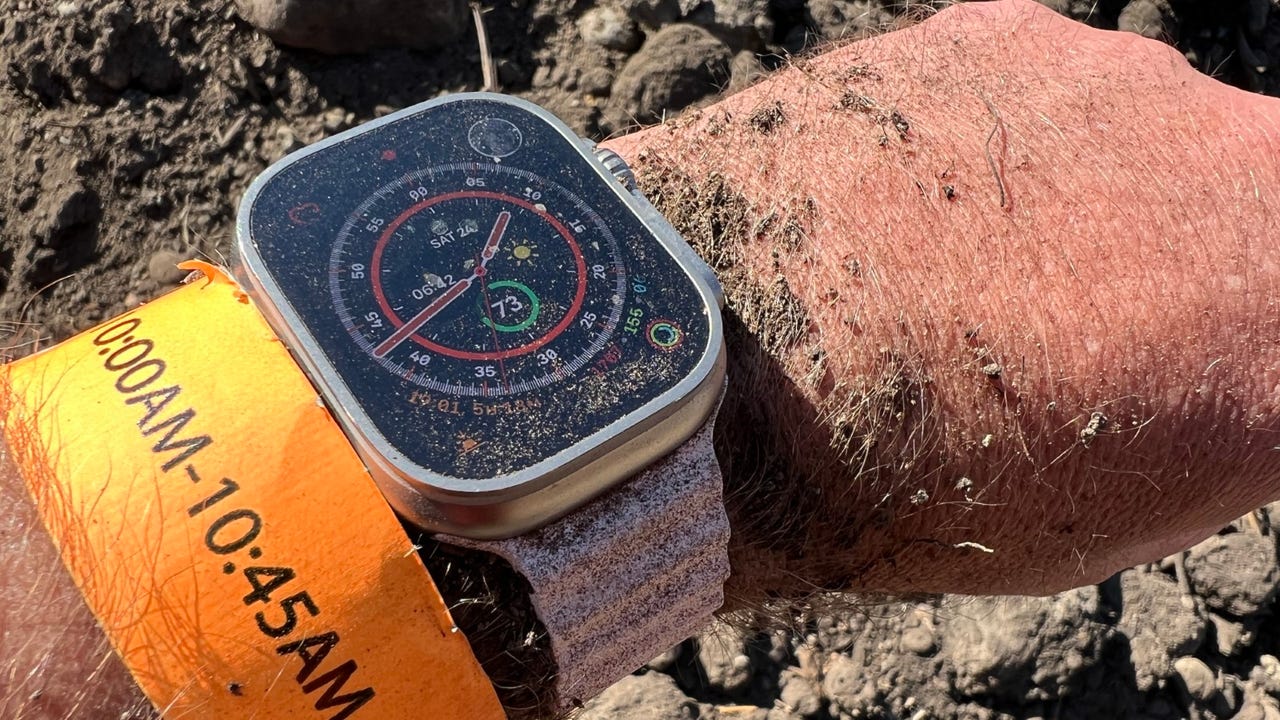
Build quality is equally important. Most smartwatches today feature water resistance and durable materials such as titanium or stainless steel. The evaluation process includes documenting any scratches or wear incurred during testing, as well as assessing the performance of default bands and their compatibility with third-party options.
Advancements in health and wellness tracking have seen smartwatches incorporate features that were once exclusive to dedicated health devices. Companies like Apple and Samsung are leading the pack with innovative health-tracking capabilities. For instance, Apple’s integration of advanced metrics in the Apple Watch and Samsung’s AI-driven coaching through Samsung Health are both noteworthy advancements.
In addition to core features, ZDNET assesses the range and quality of applications available on each smartwatch. Apple’s App Store currently leads in terms of available applications, but competition has intensified with Google’s focus on Wear OS, particularly through its partnership with Samsung.
Finally, advanced features such as crash detection, navigation, and hands-free voice assistance are critically evaluated. These innovations not only enhance user experience but also push the boundaries of what smartwatches can achieve.
The comprehensive testing methodology employed by ZDNET ensures that consumers receive informed recommendations on the best smartwatches available. As technology continues to advance, the potential for new features remains expansive, promising exciting developments in the smartwatch landscape in the years to come.