
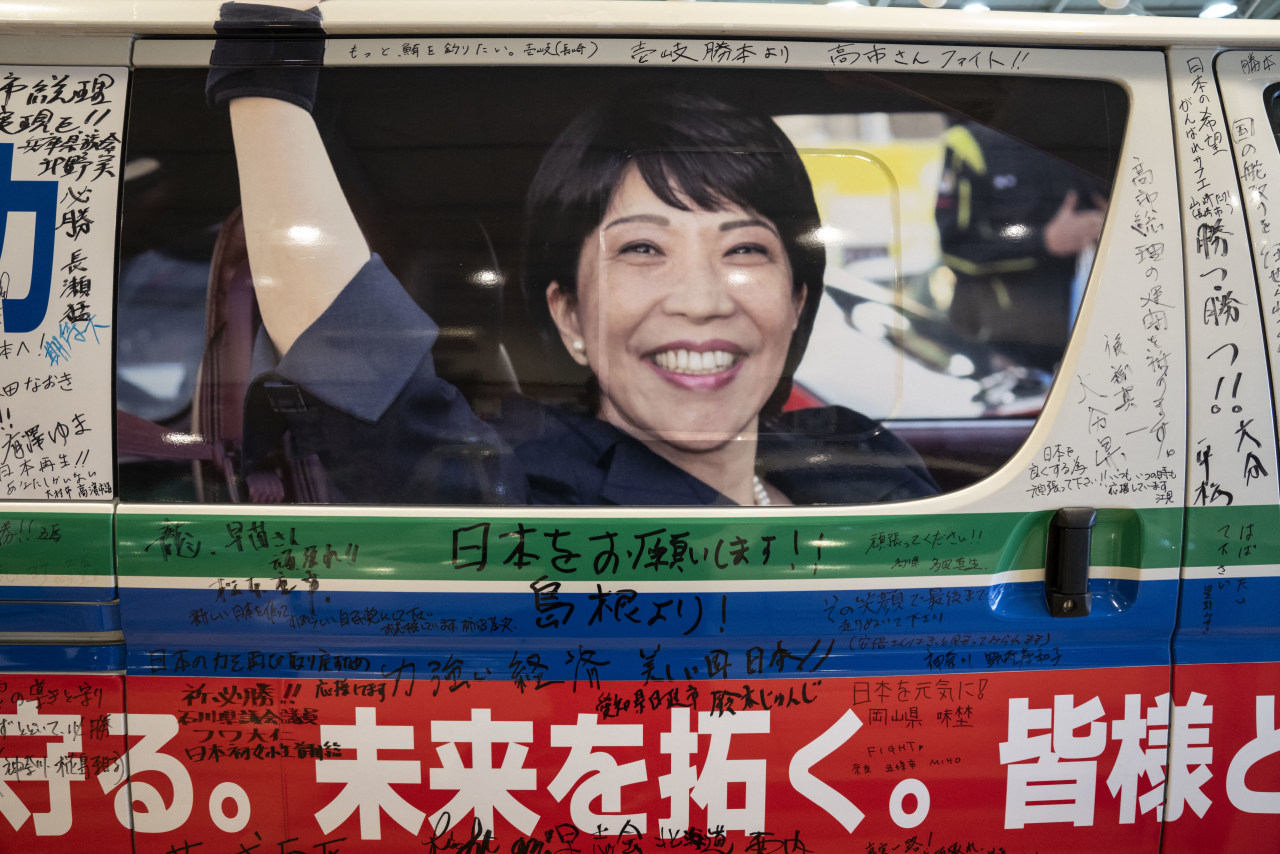
Japanese Prime Minister Sanae Takaichi is gaining significant traction among young voters as the nation approaches its next general elections set for 2025. With a reputation for her diligent work ethic and effective use of social media, Takaichi’s appeal is resonating strongly with the younger demographic, possibly reshaping the political landscape in Japan.
As the leader of the ruling Liberal Democratic Party (LDP), Takaichi has utilized platforms like Instagram and Twitter to connect with voters, promoting her policies and engaging directly with their concerns. This strategy appears to be paying off, with reports indicating that her support among young voters is growing, particularly among those aged 18 to 34.
The upcoming elections present a critical moment for Takaichi, who aims to solidify her position and further enhance the LDP’s popularity among younger citizens. Historically, Japan’s youth have been less engaged in political processes, but this trend seems to be shifting. Takaichi’s active approach on social media is breaking down some of the barriers that have previously alienated young voters from traditional politics.
Connecting Through Digital Engagement
A notable aspect of Takaichi’s strategy is her focus on addressing issues that matter most to young people, such as climate change, job opportunities, and social equality. By leveraging social media, she is able to communicate her vision and policies in a format that resonates with a tech-savvy generation. Her campaign messages frequently highlight the importance of youth participation in shaping Japan’s future.
A recent survey conducted by the Japan Youth Association revealed that over 60% of respondents aged 18 to 29 view Takaichi favorably. This marks a significant increase compared to previous leaders, highlighting a potential shift in political allegiance among younger voters.
Moreover, Takaichi’s policies are seen as progressive, particularly in contrast to the more traditional stances of some of her predecessors. Her emphasis on innovation and technology-driven solutions has also struck a chord with young professionals who are looking for a government that understands their needs.
Addressing the Challenges Ahead
Despite her growing popularity, Takaichi faces challenges as she seeks to maintain and expand her support base. Critics argue that her administration needs to do more to address the economic concerns of young people, particularly in light of rising living costs and job security. Young voters are increasingly demanding tangible results that align with their aspirations for a stable and prosperous future.
In addition, there is a growing call for greater transparency and accountability from political leaders. Takaichi’s ability to respond to these demands while maintaining her appeal will be crucial as the election date approaches. The LDP’s strategy will need to balance traditional values with the progressive aspirations of the younger electorate.
As the political climate in Japan evolves, the influence of young voters on the electoral process could not be overstated. With Sanae Takaichi at the forefront of this movement, the upcoming elections may signal a new era of political engagement in Japan, driven by the voices and votes of the youth. The outcome will depend not only on Takaichi’s ability to connect with these voters but also on her effectiveness in addressing their pressing concerns.
Ultimately, as the 2025 general elections draw closer, the spotlight will be on Takaichi and her campaign’s ability to navigate the complex landscape of Japanese politics while resonating with the values and expectations of a new generation.