
In a growing conversation about women’s health, many women are sharing insights about their bodies that they wish they had known during their teenage years. Common themes include misconceptions about menstruation, body image, and the physical changes that accompany adulthood and motherhood.
A recent discussion sparked by the question, “What’s one thing about women’s bodies you wish someone had told you in your teens?” revealed a wealth of experiences. Participants emphasized the need for more open dialogue about the realities of female physiology.
Understanding Menstruation and Its Realities
One significant takeaway from these discussions is the average blood loss during menstruation. Women are only supposed to lose between 5 to 80 ml of blood during their periods. Despite this, some women report feeling the need to empty their menstrual cups multiple times a day, leading to feelings of concern or confusion.
Participants also stressed the importance of normalizing period-related experiences. One woman noted, “It is okay if your pad or tampon wrapper makes a noise in the bathroom! Don’t feel ashamed about your period; you don’t need to hide it or feel dirty.” These sentiments underscore the importance of creating an environment where young women can openly discuss their bodies without stigma.
Another common issue is the unexpected occurrences of period accidents. One participant shared, “You’ll still sometimes have period accidents and bleed through your pants even as an adult. It sucks, but it happens.” Such candid comments highlight the need for better education and preparation regarding menstruation.
Body Image and Social Pressures
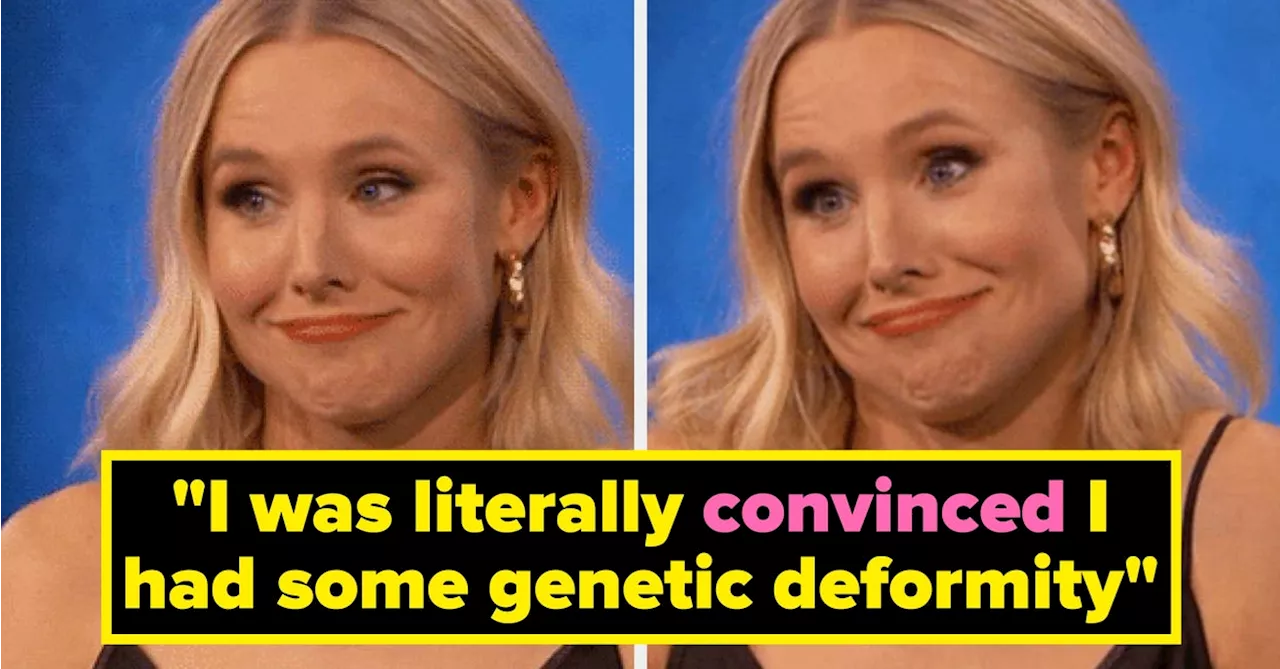
Body image also emerged as a major topic of concern. Women expressed frustration over societal standards that often do not reflect reality. Many shared that average breasts rarely resemble those portrayed in pornography, which can lead to unrealistic expectations. “I was literally convinced I had some genetic deformity,” one woman remarked, reflecting the stress these misconceptions can cause during formative years.
Additionally, discussions revealed a lack of understanding regarding natural body variations. For instance, it is common for women to have dark hair around their nipples or to experience changes in body shape after pregnancy. One participant admitted, “I wish someone had told me how drastically having a baby would change my whole body. Shape, size, all of it.”
Women also voiced the need for self-acceptance in the face of societal pressures. “You need to eat. You are going to have people equate your worth with your weight. You need to give your body nutrients,” another participant emphasized. This highlights the critical need for education that promotes healthy body image and self-worth.
Sexual Health and Well-being
Sexual health was another critical area of focus. Many women shared experiences surrounding sexual encounters and the importance of communication in relationships. One woman noted, “Sex isn’t supposed to be painful, and pushing through the pain will most likely just make it worse.” This statement points to an essential lesson about listening to one’s body and advocating for personal health needs.
Moreover, there was an emphasis on the need for women to prioritize their mental health in relation to their bodies. The conversation included insights about how societal expectations can lead to feelings of inadequacy. “Men — boyfriends, ‘alpha males,’ fathers, and influencers — are trying to make you starve yourself so you are not nourishing your brain enough,” one participant explained. This highlights the often-overlooked connection between mental health and body image.
These shared experiences and insights illustrate a significant gap in knowledge and education about women’s bodies. Encouraging open conversations can empower young women to embrace their bodies and seek the information they need for their health and well-being.
As these discussions continue to unfold, they pave the way for improved education regarding women’s health, fostering a more informed and supportive community for future generations.