
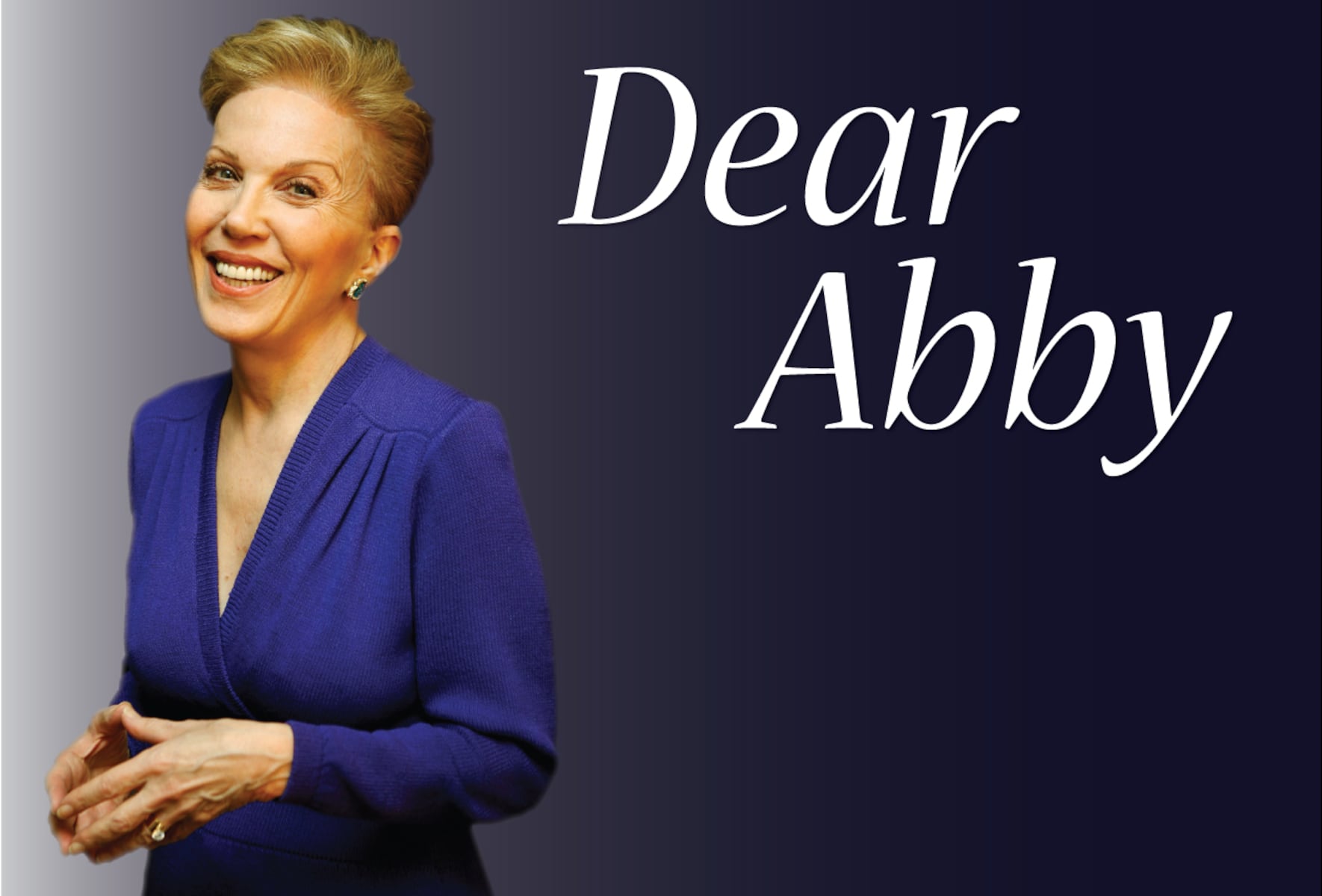
A woman in Tennessee is grappling with her long absence from church and the feelings of guilt that accompany it. Raised in a deeply religious household, she attended services regularly until she stepped away 15 years ago when her father was terminally ill. Since then, various personal circumstances have kept her from returning, despite her ongoing belief in God and daily devotionals.
Examining Personal Faith and Community Connection
The woman, who identifies herself as a twice-divorced individual without children, reflects on the shift in her spiritual life. Following her father’s passing, she began dating a man with whom she spent many Sunday mornings. Their relationship ended about two and a half years ago, prompting her to reconsider her spiritual practices.
Despite attending church once in the past six weeks, she continues to find excuses to avoid returning. “I can’t get up early enough on Sunday morning,” she cites as one reason. Other factors include a preference for spending time at home with her pets and fatigue from a demanding work week. This internal conflict has left her questioning whether her reluctance stems from her upbringing or genuine personal choice.
Understanding Religious Attendance and Personal Beliefs
In her response, Abigail Van Buren, also known as Jeanne Phillips, advises that the motivations for attending religious services vary significantly among individuals. For some, church attendance is rooted in upbringing or a desire for community, while for others, it serves as a social obligation. Phillips points out that different denominations may view church attendance through various lenses, with some considering it a sin to neglect it.
Ultimately, Phillips emphasizes that the decision to attend church should come from a personal need rather than external pressures. She reassures the woman that her faith, as demonstrated through daily prayers and readings, may be sufficient for her spiritual fulfillment. The key is to find what resonates with her personally, rather than adhering to a prescribed notion of religious obligation.
In a society where individual beliefs and practices are increasingly diverse, this woman’s struggle is emblematic of a broader dialogue about faith, personal choice, and the complexities of religious life. The conversation continues as more individuals navigate their spiritual journeys in ways that align with their values and beliefs.
Readers seeking guidance can contact the Dear Abby column through its website or traditional mail, as the advice column continues to address contemporary issues faced by individuals around the world.