
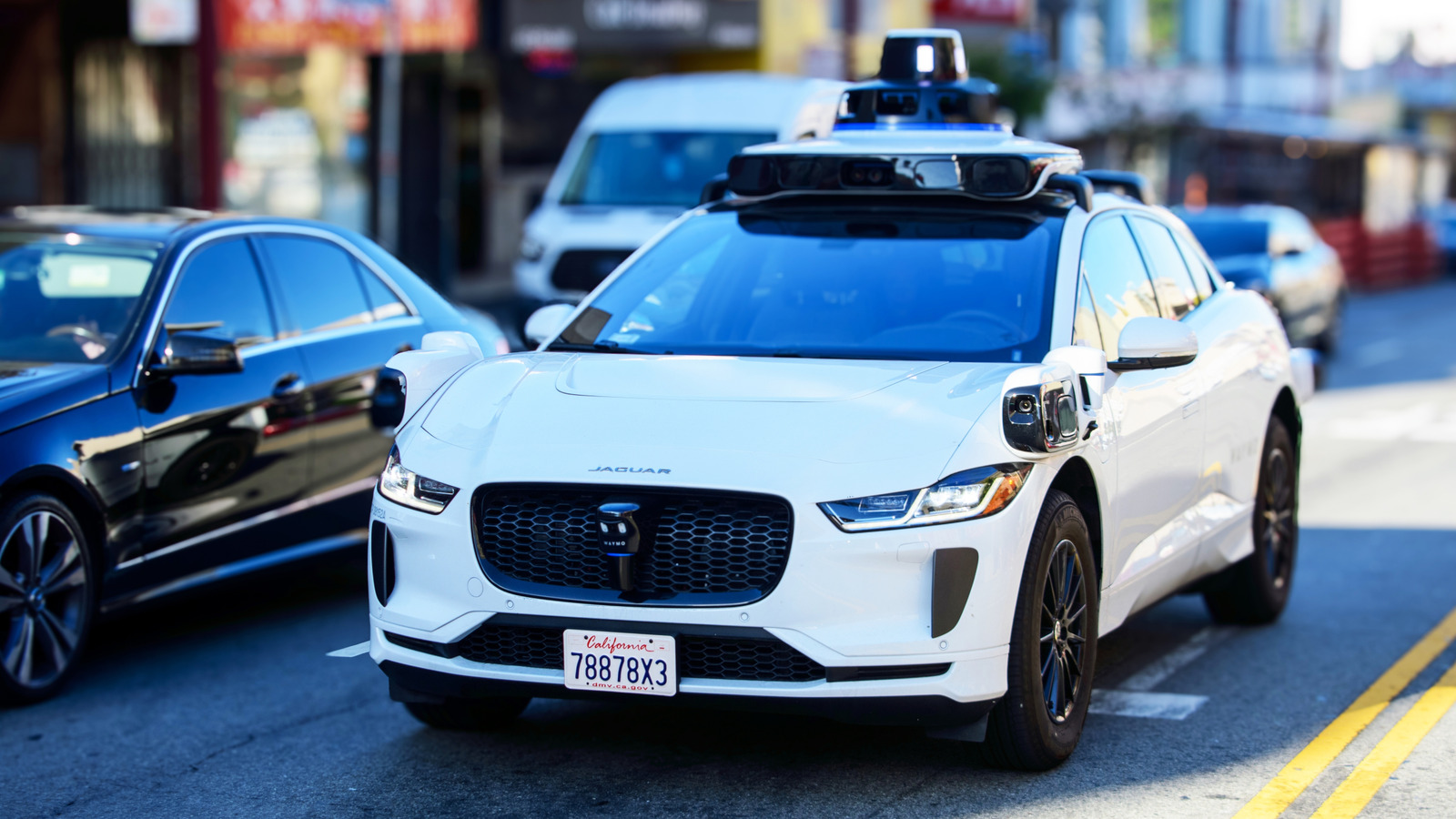
A woman unexpectedly gave birth inside a Waymo robotaxi while en route to the University of California San Francisco Hospital earlier this week. The incident highlights the evolving role of autonomous vehicles in everyday life, even in moments of significant personal importance.
According to reports from KRON4, the woman was already in labor when she entered the driverless vehicle. As the robotaxi traveled through San Francisco, Waymo’s Rider Support Team detected “unusual activity” within the car. They quickly reached out to the rider, assessed the situation, and called 911 on her behalf. Despite the assistance from emergency services, the robotaxi safely arrived at the hospital with one additional passenger before help could intervene.
University of California San Francisco Hospital spokesperson Jess Berthold confirmed to NBC News that both the mother and the newborn arrived safely at the facility. However, she stated that the new mother is currently unavailable for interviews, leaving details about her health and the baby’s condition undisclosed. It remains uncertain whether the baby was named in honor of the unusual birth location.
Waymo issued a statement expressing pride in being a reliable transportation option for various life events. “We’re proud to be a trusted ride for moments big and small, serving riders from just seconds old to many years young,” the statement read. The company also extended well wishes to the new family, emphasizing their commitment to safely transporting riders through significant life experiences.
Following the incident, Waymo promptly removed the vehicle from service for cleaning, a standard procedure given the circumstances. While robotaxis have faced scrutiny over safety concerns, including incidents involving school buses and unexpected road behavior, data suggests that Waymo’s autonomous vehicles are generally safer than their human-driven counterparts. A doctor previously referred to these robotaxis as “a public health breakthrough,” indicating their potential in emergency scenarios like this birth.
The robotaxi did not display distractions typical of human drivers, maintaining focus on its task despite the critical situation unfolding inside. While an ambulance would be the ideal choice for emergency transport, the circumstances of this birth illustrate that, in some cases, a Waymo can serve as a practical alternative. The financial implications of ambulance services, which can be prohibitively expensive, may make a robotaxi a reasonable option for those facing similar scenarios in the future.
As technology continues to advance, the intersection between automated vehicles and personal milestones will likely become more common, raising questions about safety, reliability, and the evolving role of transportation in our lives.