
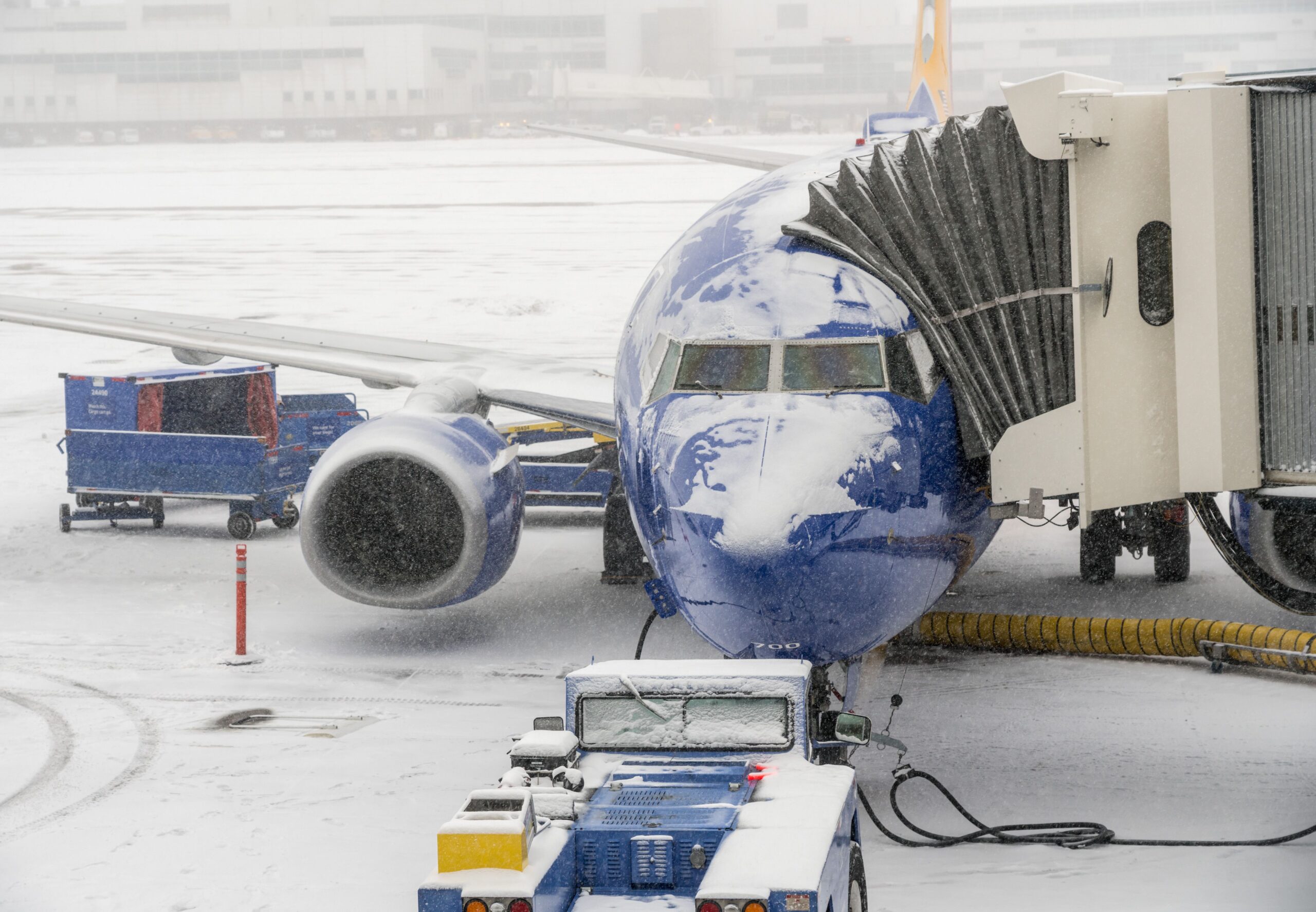
A severe winter storm is causing significant disruptions to flight schedules across the United States, resulting in over 8,000 cancellations over the weekend. The storm is expected to impact regions from Massachusetts in the east to New Mexico in the west, leading airlines to preemptively cancel flights to ensure passenger safety. According to FlightAware, the cancellations include both domestic and international flights, with numbers anticipated to increase as the storm progresses.
Airlines are taking precautionary measures as heavy snowfall and icy conditions threaten to paralyze operations. As of now, American Airlines has cancelled more than 2,000 flights, while Southwest Airlines has grounded over 1,000 flights, and United Airlines has halted more than 500 flights for travel on January 24. The weather forecast indicates a mix of snow, ice, and frigid temperatures will affect a majority of U.S. states.
Airlines Respond to Severe Weather
With this forecast, airlines are implementing strategies to mitigate the effects of the storm. Delta Air Lines has cancelled numerous flights originating from North Texas, Oklahoma, Arkansas, Louisiana, and Tennessee. As passengers scramble to adjust their travel plans, airlines such as American Airlines have added flights to accommodate those affected by the cancellations. Specifically, they will operate an additional 17 flights to and from Dallas/Fort Worth International Airport to key U.S. cities ahead of the storm’s arrival.
Travelers are advised to check their flight status before heading to the airport, given the evolving weather conditions. Airlines are emphasizing the importance of monitoring both flight schedules and road conditions. In response to the storm, several airlines have announced travel waivers, allowing passengers to modify their travel plans without incurring penalties.
For instance, Delta Air Lines has issued a waiver that covers most travel itineraries across the eastern United States, affecting major airports such as Boston, New York, and Philadelphia. Similarly, American Airlines is permitting passengers to change their itineraries for flights to and from 34 U.S. airports scheduled between January 23 and January 25 without fees. United Airlines has also made accommodations for travelers with original travel dates during this window.
Managing Airport Operations Amid Weather Challenges
As operations continue, airports will need to frequently clear runways and taxiways to ensure safe aircraft movement. De-icing procedures will also be necessary before flights can depart, as this helps prevent ice accumulation on planes. Airlines often take proactive measures by cancelling flights in anticipation of adverse weather, which helps minimize the risk of passenger stranding and aircraft displacement.
In addition to domestic flight cancellations, international routes to and from the U.S. are also impacted, with many flights being suspended or delayed. Travelers should reach out to their respective airlines or utilize the airline’s website or app for rebooking options. With weather advisories continuing to develop, ensuring safety remains the top priority for airlines and airports alike.
As the storm unfolds, the aviation landscape across the United States will likely remain turbulent, with ongoing adjustments to flight schedules expected in the coming days.