
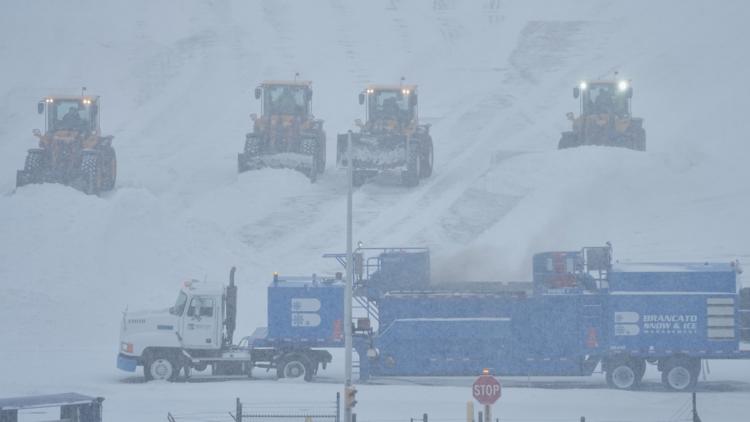
A severe winter storm has led to the highest number of flight cancellations since the onset of the COVID-19 pandemic, affecting major airports across the Northeast United States. By midday on March 10, 2024, thousands of flights were grounded, with airlines struggling to manage the unprecedented disruptions.
Airlines such as United Airlines, American Airlines, and Delta Air Lines reported significant cancellations, particularly at key hubs including Newark Liberty International Airport, Boston Logan International Airport, and airports in New York City and Philadelphia. According to the Federal Aviation Administration (FAA), the storm’s impact was felt not only regionally but also caused a ripple effect across the nation.
As of Sunday afternoon, over 2,500 flights had been canceled, with many more delayed. The storm dropped heavy snowfall and icy conditions, making travel perilous. Travelers found themselves stranded at airports or forced to adjust their plans last minute.
Airline Responses and Passenger Impact
In response to the storm, airlines swiftly issued travel advisories, allowing passengers to change their flights without incurring additional fees. Many travelers expressed frustration as they navigated through crowded terminals and dealt with long wait times for rescheduled flights.
A spokesperson for United Airlines stated, “We are working diligently to accommodate our customers and ensure their safety during this challenging weather event.” The airline recommended that passengers check their flight status before heading to the airport.
Passengers reported the challenges of finding alternate routes, with many routes now fully booked due to the surge in cancellations. The situation prompted some to consider other modes of transportation, including trains and buses, which also experienced increased demand.
Weather Forecast and Ongoing Disruptions
Meteorologists anticipated that the winter storm would continue to affect travel through early next week. The National Weather Service warned of additional snowfall in various regions, complicating recovery efforts for airlines and travelers alike.
With the storm’s aftermath still unfolding, airports are preparing for possible continued disruptions. Officials urge travelers to remain vigilant and stay updated on the latest weather and travel advisories.
The impact of this winter storm underscores the lingering vulnerabilities in the travel sector, even as air travel has seen a resurgence in recent months. With airlines navigating the dual challenges of weather and demand, the travel industry may need to implement more robust contingency plans to mitigate the effects of severe weather in the future.