
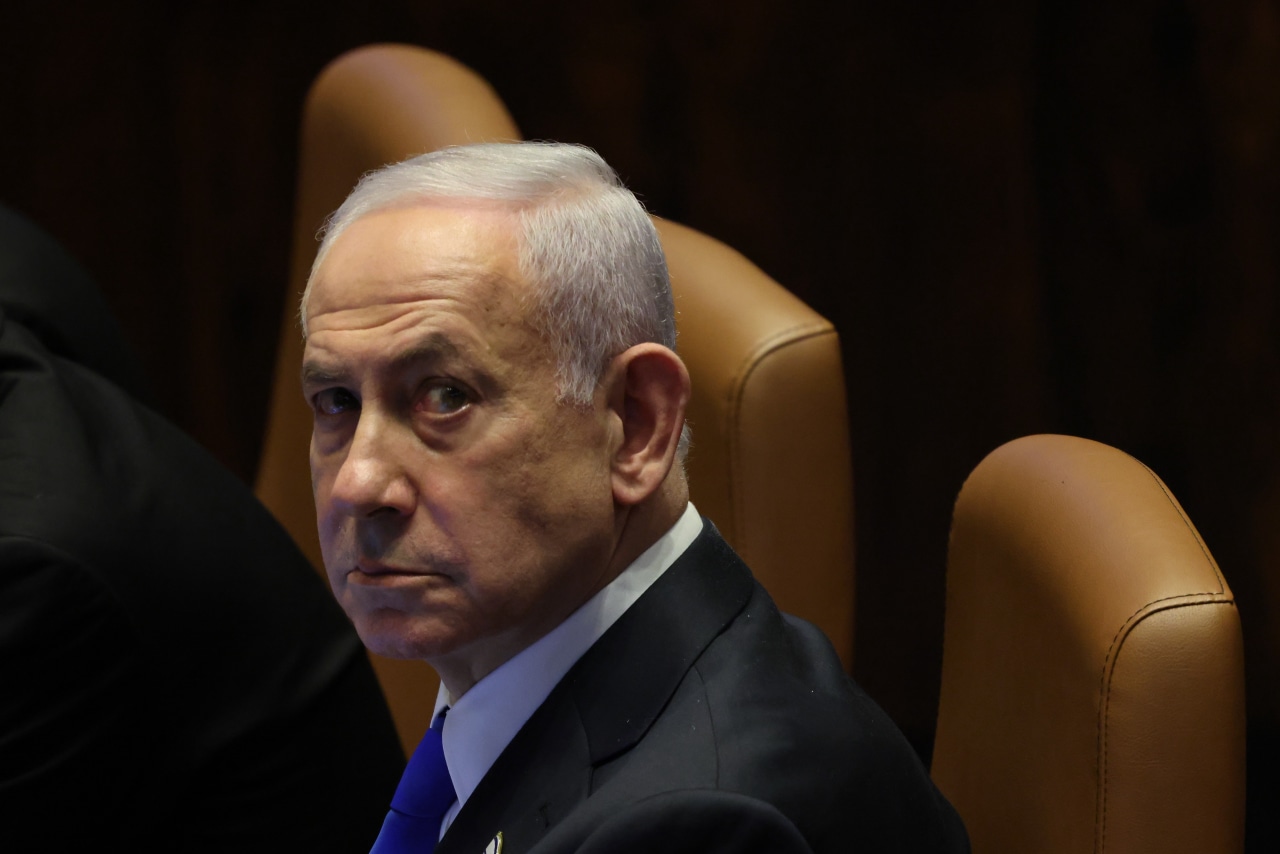
Tensions escalated between the United States and Israel following the recent killing of a senior Hamas commander, which the White House has condemned. The incident, which occurred in the Gaza Strip, has raised concerns about the ongoing conflict and its implications for future peace efforts in the region.
In a series of communications, senior officials in the Biden administration expressed their frustration with Israeli Prime Minister Benjamin Netanyahu. According to multiple sources, former President Donald Trump criticized Netanyahu for undermining a proposed plan to stabilize Gaza and halt the ongoing violence that has devastated the area. Trump reportedly accused Netanyahu of sabotaging what he described as “my deal,” aimed at fostering reconstruction efforts in the enclave.
Diplomatic Fallout and Future Negotiations
The killing of the Hamas commander has complicated the already tense relationship between the two allies. The Biden administration had been working on a diplomatic framework intended to facilitate a ceasefire and subsequent rebuilding of Gaza, which has faced significant destruction since the onset of hostilities. The White House’s frustration suggests a potential shift in U.S. policy towards Israel, particularly if actions continue to undermine peace negotiations.
Sources within the administration indicate that the United States is considering adjustments to its approach, emphasizing the need for Israel to prioritize a long-term resolution over short-term military objectives. This comes as the conflict in Gaza has resulted in significant civilian casualties and a humanitarian crisis, with reports indicating that thousands of residents have been displaced.
Broader Implications for U.S.-Israel Relations
As the situation develops, the diplomatic landscape may shift significantly. The Biden administration has historically supported Israel, but the recent events have led to calls for a recalibration of this relationship. Some officials believe that a more assertive stance may be necessary to ensure that Israel remains committed to pursuing peace.
The U.S. has invested heavily in both military and economic support for Israel, amounting to approximately $3.8 billion annually. However, the current crisis has prompted discussions about the effectiveness of this support, particularly if it contributes to ongoing conflict rather than fostering stability.
The White House’s message to Israel is clear: the U.S. expects its ally to take meaningful steps towards peace. As both nations navigate this complex situation, the future of their relationship, along with prospects for peace in Gaza, remains uncertain.
The coming weeks will be crucial as the Biden administration reassesses its priorities in the region and evaluates how to balance its longstanding support for Israel with the pressing need for humanitarian relief and a sustainable resolution to the conflict.