
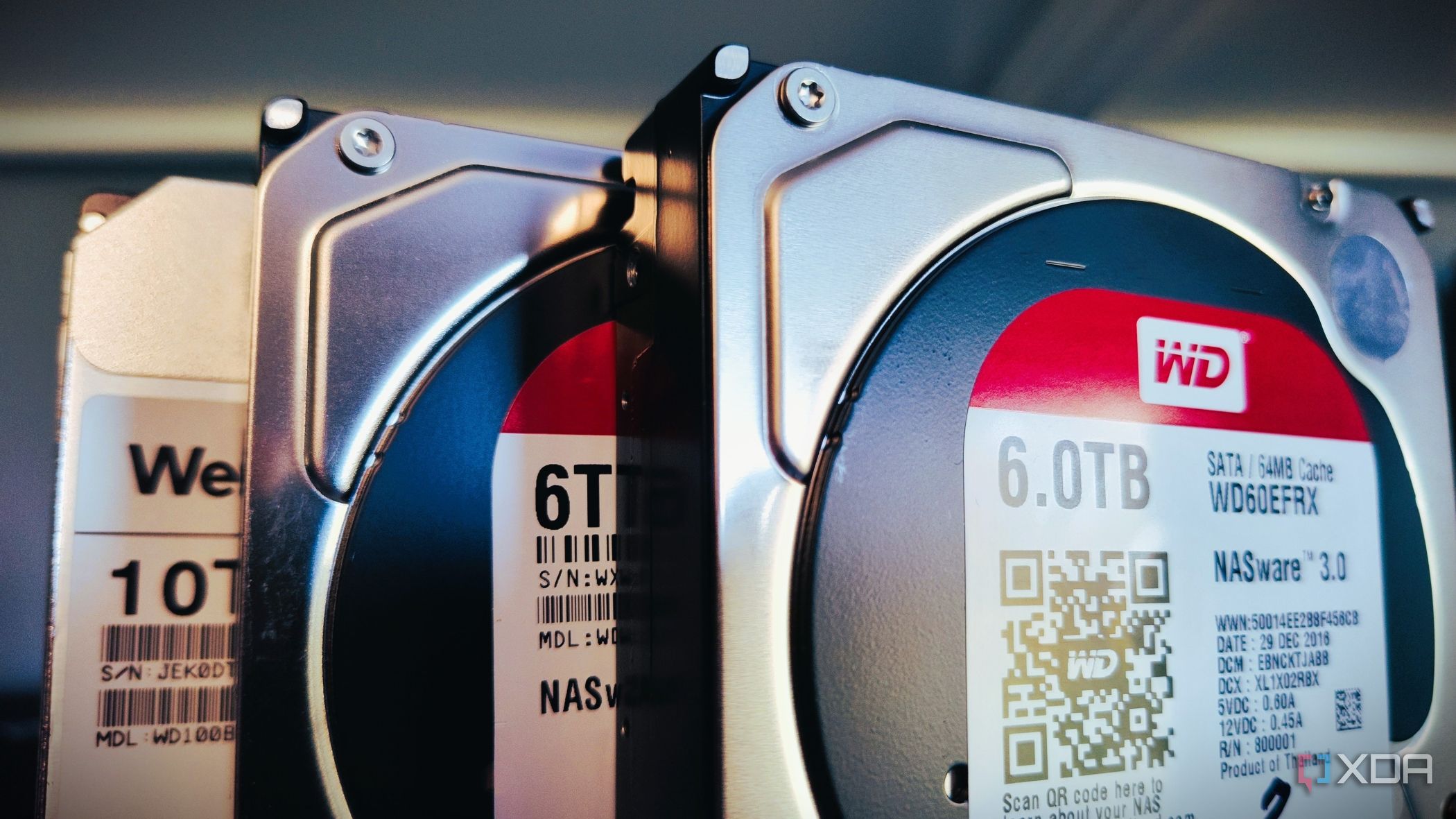
UPDATE: Western Digital has just announced that it is completely sold out of hard drives through 2026, a significant development that NAS owners must take seriously. This critical shortage is attributed to an unprecedented surge in enterprise AI demand, forcing the company to prioritize data center contracts over consumer sales.
The announcement, made by CEO Irving Tan during the company’s Q2 2026 earnings call, confirms that Western Digital has long-term agreements in place with two clients extending into 2027 and one into 2028. As a result, hard drives will remain on backorder for the next two years, leaving consumers in a challenging predicament.
Hard drive prices have skyrocketed by approximately 30–40% over the last six months. While this increase is less severe than the spikes seen in RAM and SSD prices, it still poses a significant barrier for users with high storage needs, such as NAS owners, home lab enthusiasts, and creative professionals. With consumer hard drives already becoming prohibitively expensive, NAS users must urgently consider alternatives to satisfy their storage requirements.
For those seeking a new NAS setup, the financial implications are staggering. A typical 4-bay NAS equipped with four 4TB NAS drives is now priced between $1,200 and $1,500. Given the ongoing crisis, prices are unlikely to decrease anytime soon, prompting many to explore alternative solutions in the secondary market.
Fortunately, there are options available for those willing to search for deals. Refurbished and enterprise hard drives can offer substantial savings without significant compromises. These drives are rigorously tested before resale, ensuring reliability for users. As long as purchases are made from reputable sellers on platforms like Amazon or eBay, the risk remains minimal. However, it is crucial to test any refurbished drives prior to installation in your NAS.
Another potential solution is repurposing old PCs to create makeshift NAS units. Additionally, “shucking” external drives—removing the hard drive from its case for internal use—has gained popularity among NAS users looking to avoid hefty costs associated with NAS-specific drives. It is essential to evaluate the savings against the initial expense of NAS drives and ensure the specifications of repurposed drives are compatible.
The integration of SSDs within NAS systems is also an option, although challenges remain. While hard drives excel in cost per GB and endurance, SSDs can significantly enhance speed for tasks like booting and virtualization. However, the current pricing for regular NVMe SSDs has surged to nearly three times their standard rates, largely due to the ongoing hardware crisis.
To navigate these inflated prices, users can seek enterprise SSDs from the used market. Designed for relentless server environments, these drives offer greater durability and longevity, making them an ideal choice for NAS systems that operate continuously. Unlike consumer SSDs, enterprise models are better suited for the constant write activities involved in NAS operations.
The ongoing crisis has severely impacted NAS users, who require more storage than the average consumer. With gaming PCs effectively utilizing a single Gen4 NVMe SSD, hard drives have become increasingly obsolete for typical PC setups. As NAS users face rising hard drive prices, the focus turns to refurbished HDDs and enterprise SSDs in the used market as viable alternatives.
As the situation continues to develop, NAS owners must stay informed and proactive in their search for cost-effective solutions. The hardware crisis shows no signs of abating, and immediate action is essential for those reliant on high-capacity storage.