
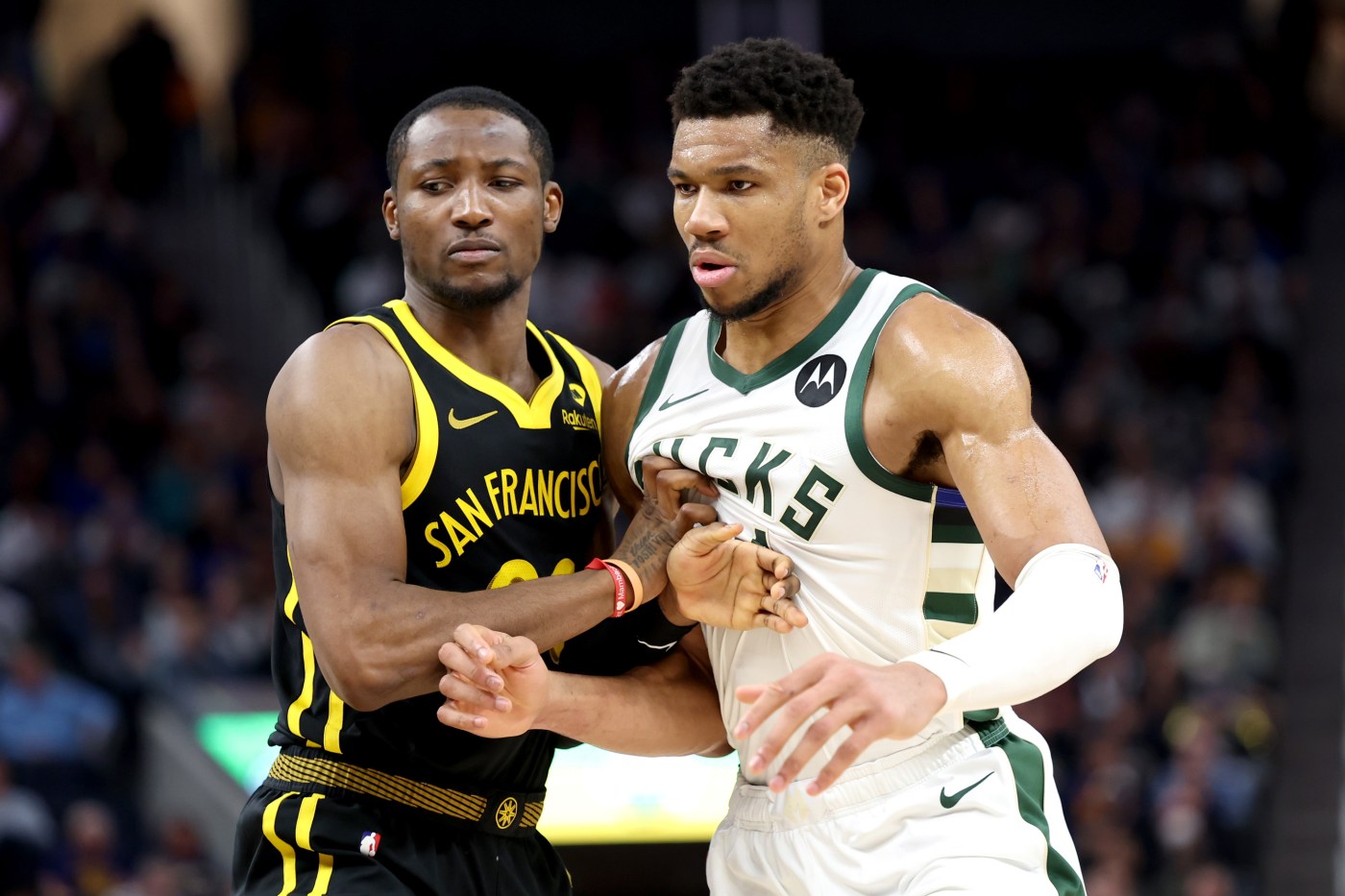
The Golden State Warriors made a significant move on February 7, 2024, by acquiring Kristaps Porzingis in a trade that is expected to enhance their playoff aspirations. While Giannis Antetokounmpo may be the name on many fans’ minds, Porzingis brings a unique skill set that could prove vital as the Warriors aim for another championship run.
Porzingis, known for his height and shooting ability, offers a fresh dynamic to the Warriors’ roster. His addition is seen as an upgrade, particularly for the team’s playoff strategy. Although he may not possess the same star power as Antetokounmpo, his capability to stretch the floor and contribute defensively makes him a valuable asset. The trade also allows for Jonathan Kuminga to explore new opportunities, while veteran players like Buddy Hield are no longer part of the team’s plans.
As the Warriors navigate the season, the implications of this trade are multifaceted. With Porzingis on board, Coach Steve Kerr is expected to employ more versatile strategies, potentially revitalizing the team’s energy as they approach the playoffs. The acquisition also opens the door for younger players, like Gui Santos and De’Anthony Melton, to take on bigger roles moving forward.
Super Bowl Sunday: A Shift from Tradition to Spectacle
As fans gear up for the Super Bowl on February 11, 2024, discussions around the event highlight its evolution from a sports competition to a major entertainment spectacle. The game will take place at Levi’s Stadium in San Francisco, drawing in thousands but leaving many fans questioning the accessibility of the event.
The secondary market for Super Bowl tickets has become a topic of concern, with prices soaring to astonishing heights. For those hoping to secure seats, the cost can reach up to $24,000 for a single ticket, while luxury boxes can command prices as high as $2 million. This shift has transformed the Super Bowl into an event largely reserved for the affluent, leaving average fans to grapple with the reality of high ticket prices.
Attending the Super Bowl now requires more than just a ticket. Fans must consider logistics, including travel and parking, which can add to the overall expense. With the event’s grandeur comes a significant investment of time and money, prompting some to reconsider whether the experience is worth the hassle.
For many, the Super Bowl has shifted from a gathering of true football enthusiasts to a spectacle dominated by celebrity performances and corporate sponsorships. The halftime show, once a simple interlude, has morphed into a major production featuring top artists. Fans now face the dilemma of missing critical game moments to catch performances by popular musicians, reflecting a broader trend where entertainment often overshadows the sport itself.
Staying Home: The Comfort of Watching the Game
Given the escalating costs and the challenges associated with attending the Super Bowl, many fans are opting to enjoy the game from the comfort of their homes. This choice allows for a more relaxed atmosphere, free from the stress of crowds and logistical hurdles. From homemade nachos to cozy seating arrangements, watching the game at home offers a unique experience that can rival the spectacle at the stadium.
As the Super Bowl approaches, discussions around its changing nature grow louder. The event’s transformation from a football game to a global entertainment phenomenon raises questions about its future. While the thrill of the game remains, the focus on spectacle may alienate traditional fans who cherish the sport itself.
Reflecting on the evolution of the Super Bowl, Barry Tompkins, a veteran sportscaster, expressed mixed feelings about the changes. He highlighted the nostalgia of earlier Super Bowls, contrasting them with today’s high-pressure environment where the game seems secondary to the show.
As fans prepare for the upcoming game, the landscape of American football continues to evolve, prompting a re-examination of what the Super Bowl means to its diverse audience. Whether in the stadium or at home, the essence of the event remains tied to the shared experience of sports, even as the format transforms.