
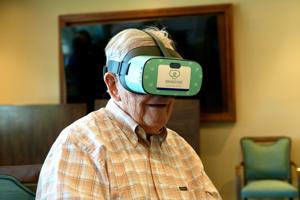
Virtual reality (VR) technology is transforming the way older adults connect with each other and the world around them. Recent initiatives in senior living communities across the United States, Canada, and the United Kingdom have introduced VR experiences that enable residents to engage in activities that were once beyond their reach, fostering social interactions and enhancing their quality of life.
Bridging Distances with Technology
As many older adults face mobility challenges, traditional travel and adventure opportunities may become less feasible. However, VR is opening new avenues for exploration. Residents in various retirement developments are now able to experience virtual excursions, allowing them to visit distant landmarks, engage in cultural experiences, or even revisit cherished locations from their past.
According to a study by the AARP, nearly 70% of older adults expressed a desire to stay connected with family and friends, but many struggle with physical limitations. By utilizing VR, senior communities are addressing these issues directly, providing immersive experiences that stimulate social interactions. This technology not only offers entertainment but also encourages cognitive engagement.
One notable example is the initiative launched by the University of Southern California, which introduced VR programs specifically designed for seniors. These programs include guided tours of famous cities, interactive games, and even virtual art classes. Such activities contribute to reducing feelings of loneliness and isolation, which are prevalent among older populations.
Real-Life Connections through Virtual Experiences
Feedback from residents has been overwhelmingly positive. Many report feeling a sense of adventure and excitement, reminiscent of their younger days. A resident at a senior living community in Florida shared, “Using VR has allowed me to explore places I never thought I would see again. It feels like a breath of fresh air.”
Experts in the field of AgeTech emphasize the importance of these technological advancements. Dr. Sarah Thompson, a researcher at the University of Southern California, noted, “Virtual reality not only provides entertainment but also serves as a powerful tool for enhancing social connections among seniors. It creates shared experiences that can lead to meaningful conversations and relationships.”
Moreover, senior living communities are beginning to integrate VR sessions into their regular activities. These sessions often include opportunities for group interactions, where residents can share their experiences and feelings about the virtual adventures they embark on together. Such communal activities help break down barriers and foster a sense of belonging.
As this trend continues to grow, it is clear that the intersection of technology and community living is paving the way for innovative solutions to age-related challenges. VR is not just a novelty; it is becoming an integral part of enhancing the daily lives of older adults.
Looking ahead, the potential for VR in senior living is vast. As more communities adopt this technology, the opportunity for older adults to engage in shared experiences will only expand. The investment in VR infrastructure, while initially significant, promises substantial returns in terms of improved mental health and community cohesion.
In conclusion, the introduction of virtual reality into senior living communities signifies a remarkable shift in how older adults can interact with their surroundings and each other. By harnessing the power of technology, these communities are not only offering a refuge but also creating a vibrant environment where connections can thrive.