
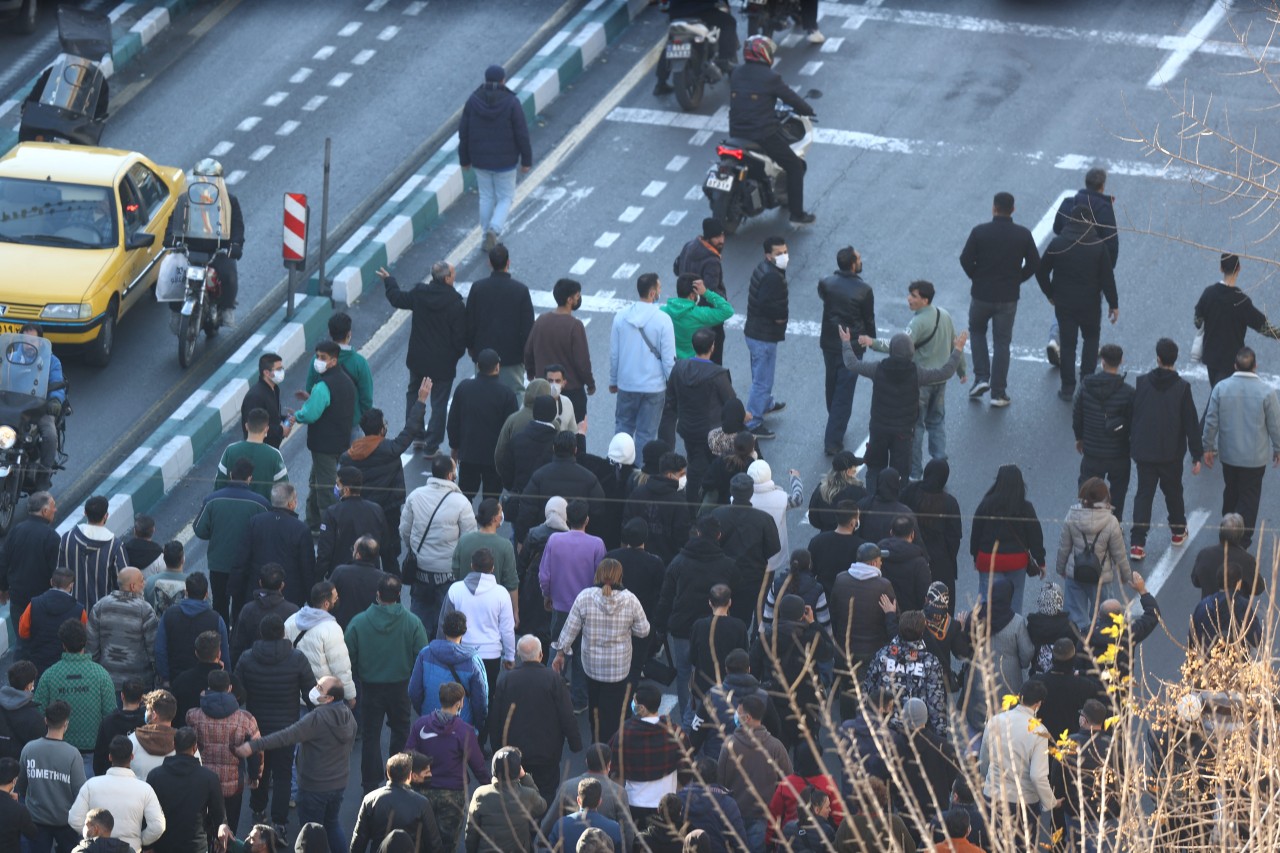
Iran has witnessed a significant escalation of unrest as protests intensified for the fifth consecutive day, resulting in multiple fatalities among demonstrators. The protests, which began in response to a range of grievances including government policies and economic hardship, have seen confrontations between protesters and government forces, particularly in the capital city, Tehran.
According to human rights activists, at least five protesters have died since the demonstrations erupted. These figures reflect a growing trend of violence as police and security forces clash with crowds demanding change. Eyewitness accounts describe a chaotic scene, with protesters facing tear gas and rubber bullets.
Government’s Stance on Protests
Amid the turmoil, hard-line factions within the Iranian government have issued warnings about a more severe crackdown if the unrest continues to escalate. These statements signal a potential shift towards a more aggressive response to dissent, raising concerns among international observers about human rights violations. The Islamic Republic has a history of suppressing protests with force, and the current situation appears to follow that pattern.
In a statement released on October 3, 2023, a government spokesperson emphasized the need for order, stating, “We will not tolerate any activities that threaten the stability of the nation.” This assertion has been met with skepticism from many who argue that the government’s actions contribute to the very instability it seeks to combat.
International Reactions and Implications
The international community is closely monitoring developments in Iran. Various human rights organizations have condemned the violence against protesters and called on the Iranian government to respect citizens’ rights to assemble peacefully. The United Nations has urged Iranian authorities to exercise restraint and avoid excessive use of force.
As the situation unfolds, the impact on ordinary Iranians is becoming increasingly severe. Citizens are expressing fear for their safety as clashes continue, and many are calling for solidarity from the international community. The protests not only reflect discontent with the government but also highlight broader issues of economic hardship and political repression that have plagued Iran for years.
As of now, the future of the protests remains uncertain. With hard-liners vowing a tougher approach, many fear that the cycle of violence could deepen, leading to more casualties and widespread unrest. The coming days will be crucial in determining whether the protests can maintain momentum or if the government’s response will quash dissent entirely.
The international ramifications of these events are significant, potentially affecting Iran’s relationships with other nations, particularly in the context of ongoing negotiations regarding its nuclear program. The world watches closely as this situation continues to develop, with the hope that peaceful resolutions can be found amidst the chaos.