
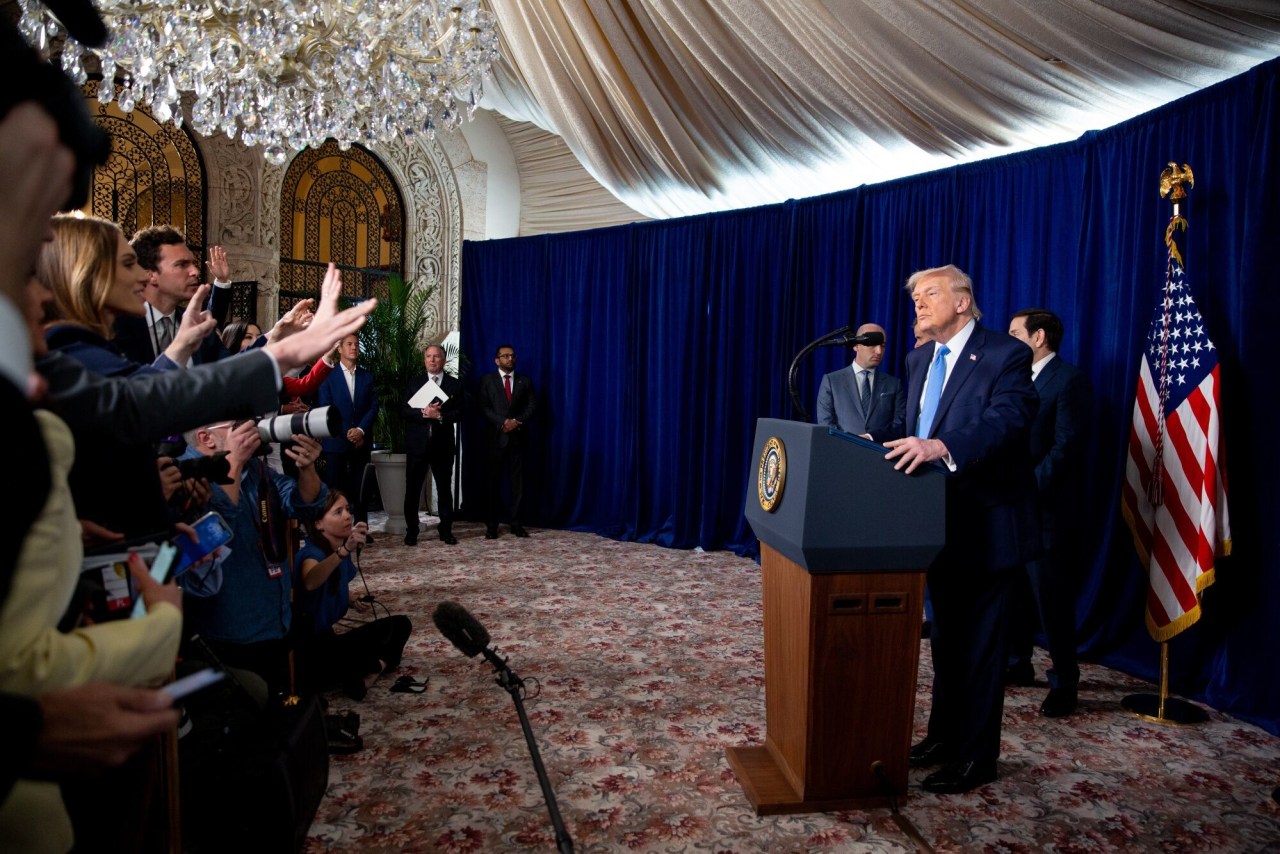
The Venezuelan government is adapting to a new foreign policy framework inspired by former President Donald Trump‘s interpretation of the historic Monroe Doctrine. This shift emphasizes that commerce and natural resources will guide U.S. strategic intervention in the region. Analysts speculate that Greenland could be among the next targets for U.S. interests as the doctrine evolves.
The original Monroe Doctrine, established in 1823, aimed to deter European intervention in the Americas. Trump’s version, often referred to as the “Donroe Doctrine,” appears to pivot towards a focus on economic control and resource management. This change reflects a broader strategy that could reshape U.S. relations in Latin America.
Under this new doctrine, Venezuela has become a focal point. The country possesses vast oil reserves and critical mineral resources, which are becoming increasingly attractive to foreign investors. The U.S. government has shown renewed interest in Venezuelan assets, potentially seeking to counteract influence from other global powers such as China and Russia.
Economic Implications of the New Doctrine
The potential for U.S. intervention in Venezuela is not merely political; it also has significant economic implications. As the country grapples with hyperinflation and political instability, U.S. companies may see opportunities to invest in its oil sector. In September 2023, Venezuela’s oil production was reported at approximately 700,000 barrels per day, a figure that could rise with foreign investment and technology.
Furthermore, the shifting focus raises questions about U.S. strategies in other regions. Greenland, which has been in the spotlight for its strategic location and mineral resources, might be the next area where U.S. interests intensify. The implications of this doctrine extend beyond immediate economic gain; they signal a more aggressive stance towards securing resources abroad.
Venezuelan President Nicolás Maduro has publicly criticized the U.S. approach, framing it as an effort to exert control over Latin American nations. His administration views the interventionist policies as a threat to national sovereignty, leading to heightened tensions in U.S.-Venezuelan relations.
In contrast, U.S. officials argue that the approach is necessary to promote stability and democracy in the region. They emphasize that engaging with countries like Venezuela could help counter authoritarian regimes and foster economic recovery. The outcome of this strategy remains uncertain, as it hinges on both the willingness of U.S. businesses to invest and the ability of the Venezuelan government to create a conducive environment for such investments.
Global Reactions and Future Prospects
International responses to the evolving Monroe Doctrine have varied. Some nations in Latin America express concern that U.S. intervention could destabilize the region further. Conversely, others see potential benefits from increased American investment, particularly in terms of economic growth and job creation.
Looking ahead, the implications of Trump’s revised doctrine will likely influence U.S. foreign policy for years to come. As global dynamics shift, the question of whether resource-driven strategies will yield positive outcomes remains at the forefront of political discussions. The potential for increased U.S. involvement in Venezuela and possibly Greenland raises critical issues about global governance, economic strategies, and the balance of power in the Western Hemisphere.
In summary, the adaptation of the Monroe Doctrine marks a significant pivot in U.S. foreign policy, emphasizing commerce and resources as central to strategic intervention. As Venezuela navigates this new landscape, the outcomes will not only shape its future but also set precedents for U.S. relations with other nations in the region.