
On January 19, 2024, French vaccine manufacturer Valneva announced that it is voluntarily withdrawing its applications for both formal and investigational approval of its chikungunya vaccine in the United States. This decision follows the U.S. Food and Drug Administration’s (FDA) earlier suspension of the vaccine’s license in 2025, which determined that the vaccine, known as Ixchiq, was not safe based on a review of health problems reported after vaccination.
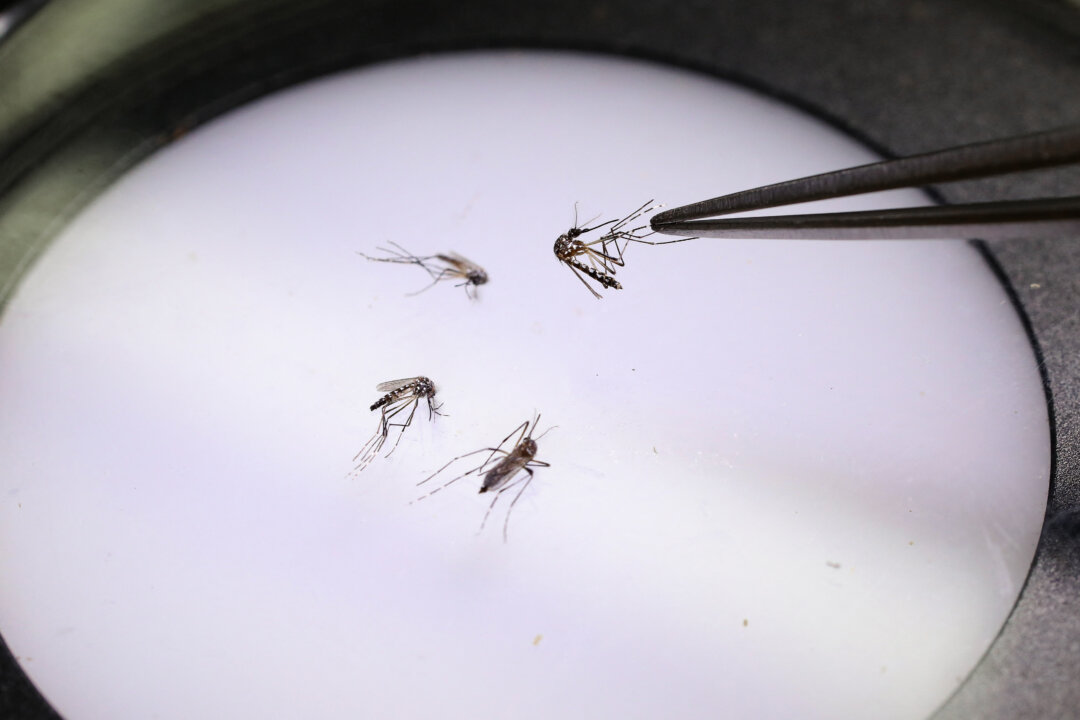
The FDA’s review focused on adverse health events, including cases involving individuals who tested positive for chikungunya, a viral disease transmitted by mosquitoes. Following the suspension, Valneva indicated that it was assessing how to address the FDA’s concerns.
In its recent announcement, Valneva stated that it had been awaiting additional information from the FDA regarding the status of its applications. The company was subsequently informed that the FDA had placed its application for clearance as an investigational new drug on clinical hold. This hold is pending further investigation into a serious adverse event recently reported in a foreign country.
The suspension and subsequent withdrawal of the applications raise significant concerns regarding vaccine safety and the regulatory processes involved in bringing new vaccines to market. Valneva has yet to provide detailed information about the nature of the adverse event that triggered the FDA’s clinical hold or its plans for future development of the vaccine.
This development marks a critical moment for Valneva as it navigates regulatory hurdles in the pursuit of its chikungunya vaccine. The company’s decision to withdraw its applications is emblematic of the challenges faced by vaccine developers in ensuring both efficacy and safety in their products. As the world continues to grapple with various infectious diseases, the implications of this withdrawal extend beyond Valneva, as it may influence broader public health strategies and vaccine research initiatives.
Moving forward, Valneva will need to address the FDA’s concerns and provide assurances regarding the safety of its vaccine if it hopes to re-enter the U.S. market.