
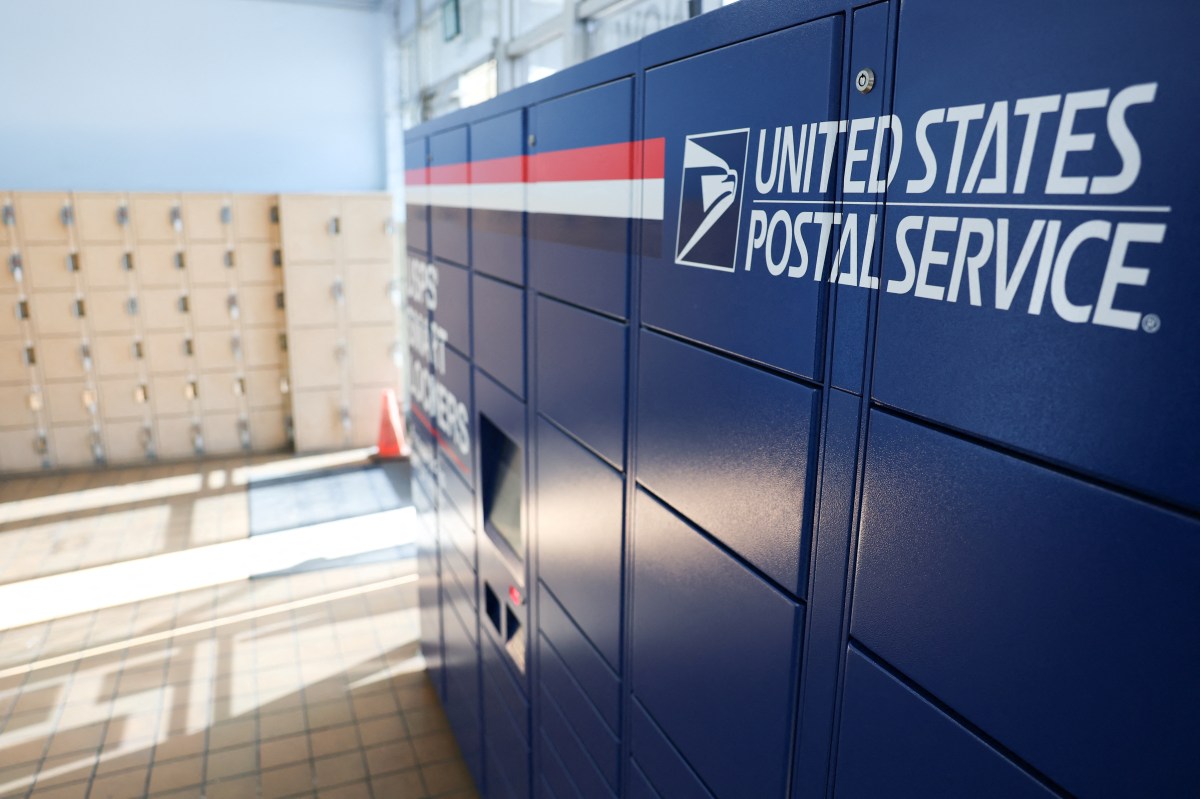
The United States Postal Service (USPS) has implemented significant price increases for various mail services as of today. Effective January 18, 2026, customers will notice a rise in shipping rates, with Priority Mail seeing a hike of 6.6 percent, Priority Mail Express increasing by 5.1 percent, Ground Advantage climbing 7.8 percent, and Parcel Select up by 6 percent.
These adjustments come as the USPS grapples with ongoing financial challenges. The postal service reported persistent staffing shortages in several regions, including Maine, Texas, Kentucky, and Alabama, leading to delays in both package delivery and mail services.
Understanding the Price Changes
Today’s price adjustments mark the first increase since July 2023, when the cost of first-class stamps rose from $0.73 to $0.79. The USPS typically revises its rates biannually, in January and July. Notably, while shipping rates are influenced by market conditions, first-class mail prices are adjusted based on inflation. Customers will see no change in the price of first-class mail stamps, which remain at $0.78.
The USPS stated, “As part of the Postal Service’s network modernization and transformation plan, these proposed changes will support the creation of a revitalized organization capable of achieving its public service mission.” This includes maintaining a nationwide delivery network for mail and packages at least six days a week in a financially sustainable manner.
In addition to price changes, the USPS is unveiling new stamp designs this year. Two designs celebrate American space exploration, featuring images from NASA’s James Webb Space Telescope. One stamp highlights an infrared image of the Crab Nebula, located approximately 6,500 light-years away in the Taurus constellation, known for its bright visibility in the night sky.
Market Reactions and Future Implications
Postmaster General David Steiner initially opposed raising prices for market-dominant products, including first-class mail, until mid-2026. However, the USPS Board of Governors ultimately accepted his recommendation to delay these increases. Steiner emphasized the balance the Postal Service strives to achieve: meeting revenue needs while providing affordable services.
Financial literacy instructor Alex Beene from the University of Tennessee at Martin commented on the changes, stating, “Although the proposed changes wouldn’t significantly impact customers who primarily use first-class stamps, the increases for other services range from 5 to 7 percent. The highest increase is for Ground Advantage at 7.8 percent, which has gained popularity for being an economical yet efficient option.”
Kevin Thompson, CEO of 9i Capital Group, highlighted the rising costs, stating, “Pricing is going up, and by more than normal inflation.” As the USPS experiences a surge in volume due to the increasing reliance on online shopping, particularly by companies like Amazon, shipping rates are likely to rise further.
The anticipated increases in pricing are expected to reflect ongoing market demand. Thompson noted, “As demand continues to grow, I would expect pricing to change again in the future. The hope is that these increases will translate into better service and outcomes as USPS modernizes its fleet and invests in technology to support customers and manage higher volumes.”
These changes signal a pivotal shift for USPS as it navigates the complexities of modern delivery demands while striving to maintain reliable service for its customers.