
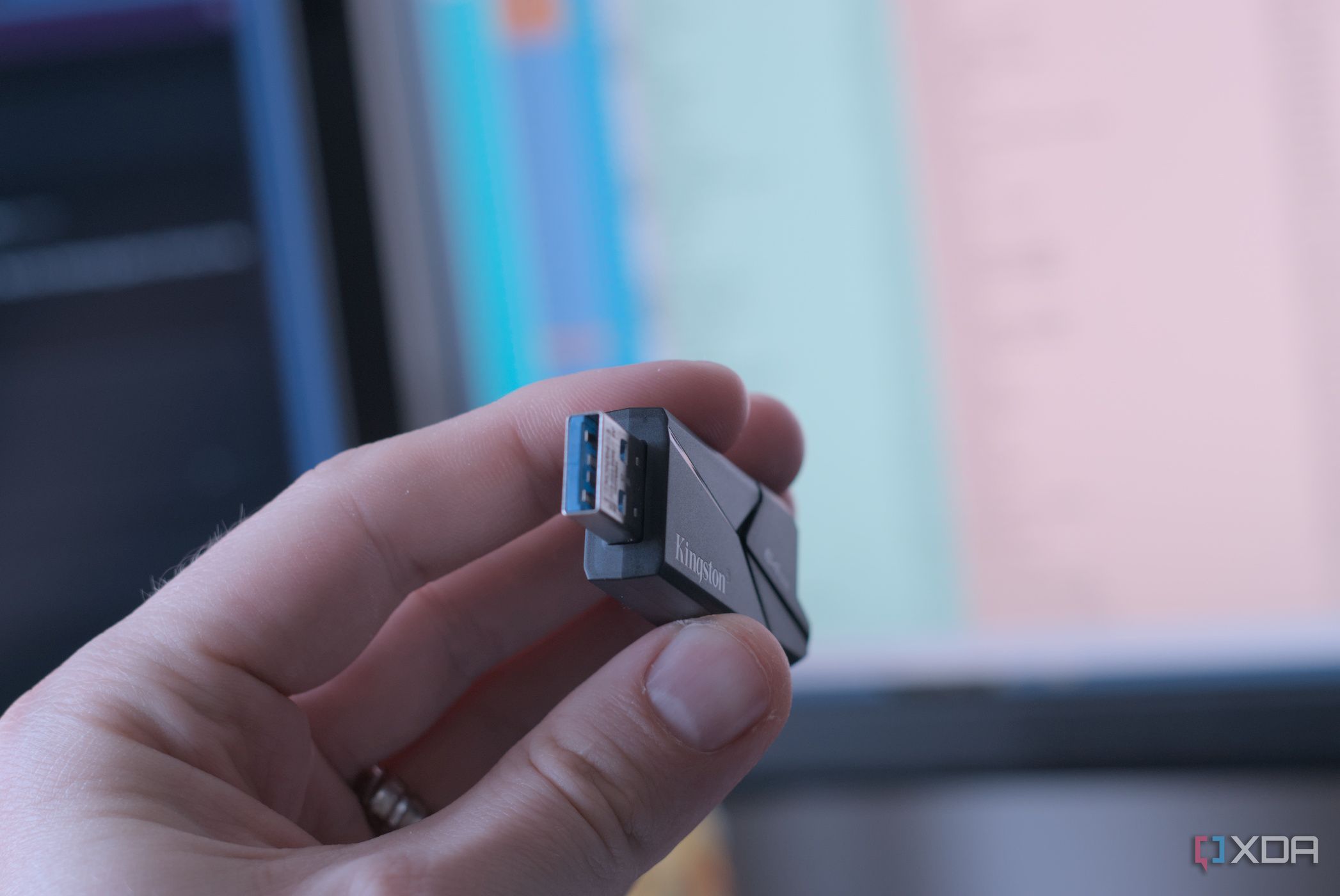
URGENT UPDATE: Users of modern computers are being warned about potential performance loss due to incorrect use of USB ports. Many PCs are equipped with 2 to 5 different USB standards, each designed for specific devices and data transfer speeds. Experts emphasize that plugging devices into the wrong ports can lead to significant slowdowns.
As of October 15, 2023, authorities in tech recommend checking your device specifications to ensure optimal performance. High-speed devices require dedicated ports, while others may not need extensive bandwidth. This means that using a high-end USB port for low-speed devices is not just unnecessary; it occupies valuable resources that could be better utilized elsewhere.
The urgency of this issue is heightened as users are increasingly reliant on various devices, from external hard drives to gaming peripherals. Mismanagement of USB connections can lead to frustrating delays in data transfer and overall device performance.
Experts advise users to educate themselves on the capabilities of each USB port. For instance, USB 3.0 ports offer faster data transfer speeds compared to USB 2.0, and many modern devices now support USB 3.1 and USB-C standards. As tech continues to evolve, understanding these distinctions is vital for optimal use.
In a recent statement, tech authorities stressed,
“Plugging devices into the correct USB ports isn’t just about speed; it’s about maximizing your computer’s efficiency and lifespan.”
This critical information is especially relevant for those working from home or heavily utilizing their PCs for gaming and content creation. As the digital landscape becomes increasingly complex, ensuring that users are informed and equipped to make the right choices is paramount.
Moving forward, users are encouraged to regularly review device manuals and online resources to stay updated on the latest standards and best practices. Stay tuned for more updates as this story develops. Share this article to help others optimize their tech setup!