
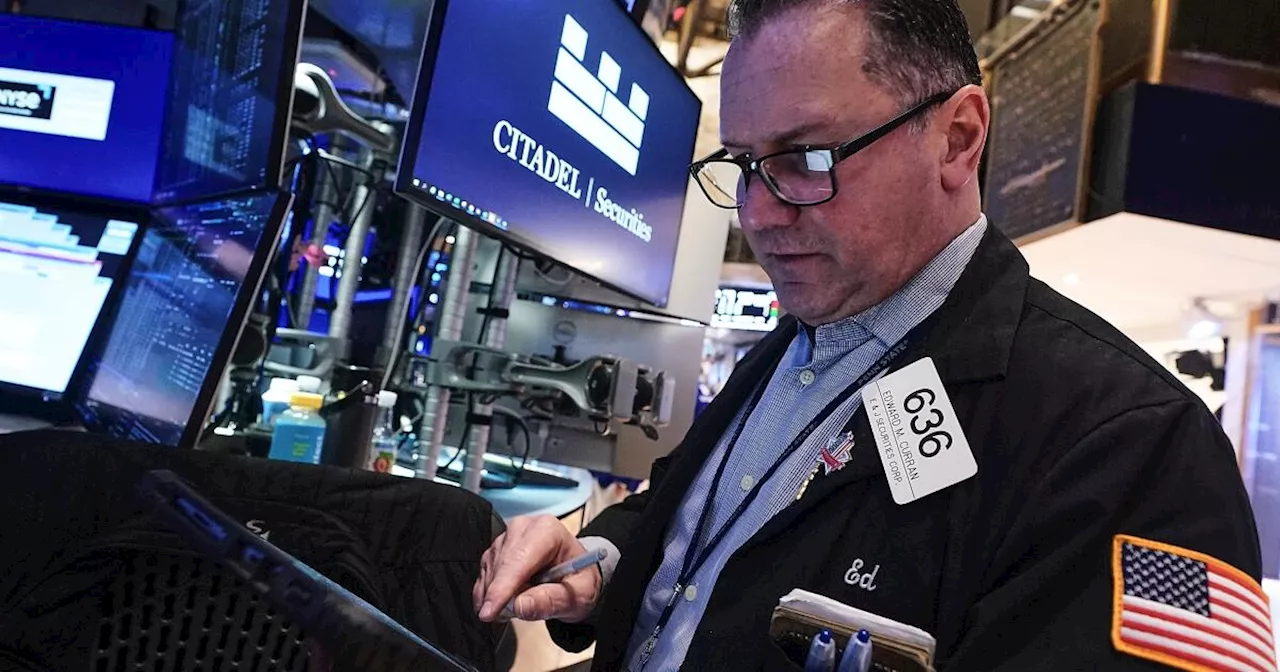
US stocks rebounded on March 15, 2024, following President Donald Trump’s decision to withdraw threats of tariffs. The S&P 500 index rose by 0.5%, while the Dow Jones Industrial Average experienced a significant increase of 306 points, or 0.6%. This recovery was bolstered by positive economic data and robust corporate earnings, contributing to overall market optimism.
The market’s upward momentum reflects a familiar pattern in which initial tariff threats from Trump lead to market volatility, followed by a recovery once the president retracts such measures. On this occasion, the announcement concerning a potential agreement related to Greenland and the suspension of 10% tariffs on European countries played a critical role in calming investor fears. The Nasdaq Composite also saw gains, rising by 0.9%.
Investor sentiment remains somewhat cautious, as evidenced by fluctuations in gold prices and a decline in the value of the U.S. dollar against other currencies. Despite these signs of nervousness, positive economic indicators, including lower unemployment claims and stronger-than-expected growth figures, provided reassurance. These elements helped to mitigate the earlier negative impacts stemming from Trump’s trade policies.
Market Dynamics and Economic Indicators
The day’s trading highlights the complex interplay between political developments and economic fundamentals. Positive economic reports indicated a resilient U.S. economy, showcasing low unemployment rates, faster-than-anticipated growth, and consumer spending that slightly exceeded expectations. These factors have revitalized market confidence, countering lingering concerns related to the president’s tariff threats.
Investor reactions to specific companies further contributed to the day’s gains. Northern Trust shares surged by 6% after the financial services firm reported stronger profits for the end of 2025 than analysts had projected. CEO Michael O’Grady expressed optimism about entering 2026 with “strong momentum across all our businesses.” Additionally, Procter & Gamble shares rose by 2.6%, although revenue fell slightly short of expectations amid a challenging consumer landscape.
In the tech sector, BitGo, a company specializing in digital asset management, saw its shares increase by 2.7% on its debut on the New York Stock Exchange. The company priced its stock at $18 per share, exceeding initial estimates of $15 to $17. Meanwhile, JPMorgan Chase experienced a modest increase of 0.5%, despite a lawsuit filed by Trump against the bank.
Global Market Reactions
The positive response from U.S. markets extended globally, with indexes in Europe and Asia also registering gains. Japan’s Nikkei 225 surged by 1.7%, while Germany’s DAX climbed by 1.2%. This international effect underscores the global interconnectedness of financial systems and the sensitivity of markets to developments in U.S. trade policy.
The easing of long-term yields in the Japanese bond market, which had previously spiked due to concerns over potential government actions, further supported global market stability. The retreat from tariff threats by Trump resulted in a collective sigh of relief, prompting a wave of buying across various international markets.
Overall, the day’s trading reflects a complex interplay of political events, economic indicators, and investor sentiment. The S&P 500 closed up 37.73 points at 6,913.35, the Dow Jones added 306.78 to reach 49,384.01, and the Nasdaq climbed 211.20 to settle at 23,436.02. As markets respond to ongoing developments, the financial landscape remains dynamic and ever-changing.