
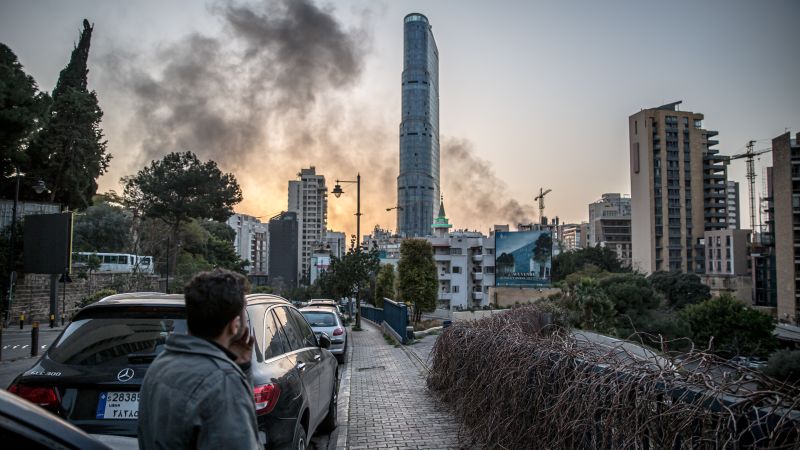
The conflict involving the United States and Israel against Iran has entered its second week, resulting in a significant rise in oil prices and a decline in stock markets. The situation escalated following the declaration by Iran’s new supreme leader, who pledged to maintain the closure of the Strait of Hormuz. Despite global leaders’ efforts to stabilize markets and release emergency oil reserves, these measures have yet to reverse the adverse trends.
Market Reactions and Economic Impact
As of October 6, 2023, oil prices continue to surge, causing concern among financial analysts and investors. The ongoing conflict has created uncertainty in the energy sector, prompting an increase in crude oil prices. This volatility is reflected in stock markets around the world, which are experiencing downward pressure as investors grapple with the implications of sustained military actions in the region.
In response to the crisis, numerous governments are attempting to reassure markets. They are considering the release of strategic oil reserves; however, these efforts have not yet provided the expected relief. Analysts warn that prolonged conflict could lead to even higher prices and further destabilization of global energy supplies.
Casualties and Ongoing Military Actions
The human cost of the conflict is escalating, with casualties reported on multiple fronts. Recently, a French soldier lost his life in Iraq, along with two academics in Lebanon, highlighting the broader impact of the fighting. Additionally, a US Air Force refueling tanker was reportedly downed over western Iraq, resulting in the loss of at least five crew members. These incidents underline the seriousness of the situation and the risks faced by military personnel in the region.
Military operations are intensifying, with Israel, Iran, and the Lebanese militant group Hezbollah engaged in ongoing strikes. The conflict has not only raised geopolitical tensions but also exacerbated humanitarian concerns, as civilians in affected areas face increasing threats to their safety.
As the situation unfolds, the international community is closely monitoring developments. Diplomatic efforts to de-escalate tensions are underway, but with the stakes so high, the path to resolution remains uncertain.
On day 14 of this conflict, the repercussions are being felt not only on the battlefield but also in global financial markets and among civilian populations. The coming days will be critical in determining the direction of this conflict and its broader implications for international stability.