
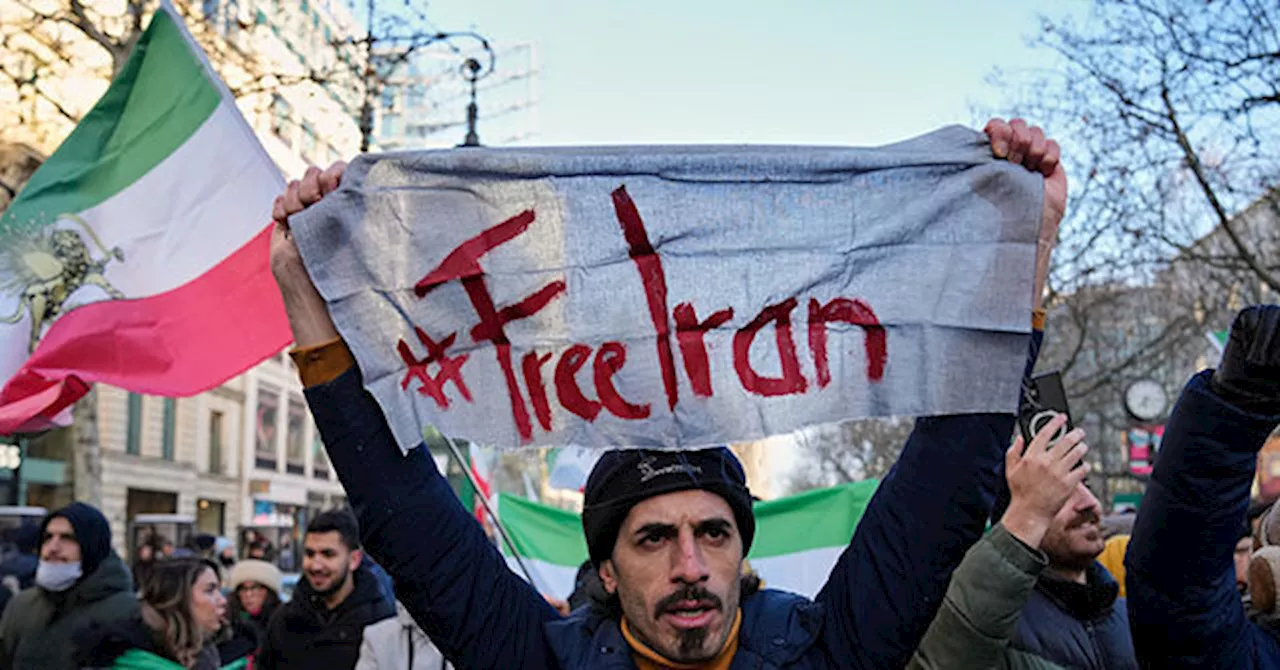
The United States has implemented new sanctions targeting senior Iranian officials and financial networks connected to the regime. This move addresses the government’s violent crackdown on widespread protests and its ongoing economic mismanagement. Treasury Secretary Scott Bessent announced the sanctions on Thursday, which are intended to disrupt funding sources that sustain the Iranian government, support the Iranian populace, and hold the regime accountable for its actions.
The sanctions come as protests against the Iranian government escalate, coinciding with a significant economic crisis characterized by the rapid decline of the Iranian currency, hyperinflation, and deteriorating living conditions. In a video statement, Bessent emphasized the administration’s commitment to supporting the Iranian people, who he described as unable to express their grievances openly.
Targeted Sanctions and Economic Pressure
The sanctions specifically target key figures involved in the repression of protesters, including Ali Larijani, the secretary of Iran’s Supreme Council for National Security, and several senior provincial security commanders. In total, the Treasury Department has designated 18 individuals and entities implicated in money laundering related to the sale of Iranian oil and petrochemical products. According to the department, these proceeds are used to fund both domestic repression and international terrorist activities.
Bessent highlighted that the Iranian leadership has mismanaged the country’s oil revenue, choosing instead to invest in nuclear weapons and military capabilities rather than addressing the pressing economic hardships faced by citizens. He remarked that the administration is intensifying its efforts to accelerate the regime’s economic collapse, citing the effectiveness of the maximum pressure campaign. Furthermore, he indicated that the sanctions are designed to dismantle the regime’s mechanisms for evading previous sanctions.
U.S. Commitment and Regional Tensions
The announcement of the sanctions occurs as the Iranian uprising enters its third week and follows reports of mass killings during the regime’s crackdown. The U.S. administration’s regional posture is also shifting, with the Pentagon relocating personnel from key bases in response to escalating tensions. In a clear warning to foreign governments and firms that maintain relations with Iran, Bessent reiterated President Donald Trump’s recently announced 25 percent tariff on those continuing to conduct business with the regime.
Bessent’s message to both the Iranian people and their leaders was direct. He expressed unwavering support for the legitimate demands of the protesters while also indicating that the U.S. Treasury is closely monitoring and tracking funds being funneled out of Iran. He drew a stark analogy, describing the leadership’s actions as “rats fleeing a sinking ship.”
In light of these developments, Iranian officials have threatened retaliation against U.S. assets should further actions be taken. Bessent chose not to speculate on the regime’s future, instead referring to previously established red lines set forth by President Trump. The sanctions are not only a tactical approach to undermine the Iranian regime’s financial networks but also a message of solidarity with those fighting for their rights and freedoms.
The comprehensive sanctions reflect the United States’ determination to confront the ongoing situation in Iran and counter the regime’s destabilizing activities, while simultaneously advocating for the Iranian populace’s right to peaceful protest and economic stability.