
UPDATE: In a shocking overnight operation, U.S. forces have captured Venezuelan President Nicolas Maduro, leading President Donald Trump to announce that the United States will govern Venezuela until a peaceful transition is achieved. This unprecedented military action, executed by the elite Delta Force, has sent shockwaves across the globe, raising urgent questions about the future of the South American nation.
Explosions erupted throughout Venezuela early Saturday morning as low-flying aircraft were spotted over the capital, Caracas. The Venezuelan government condemned the U.S. operation as an “imperialist attack,” urging citizens to protest against foreign intervention. Maduro and his wife, Cilia Flores, are currently aboard a U.S. warship en route to New York, where they face new criminal charges, including “narco-terrorism” conspiracy.
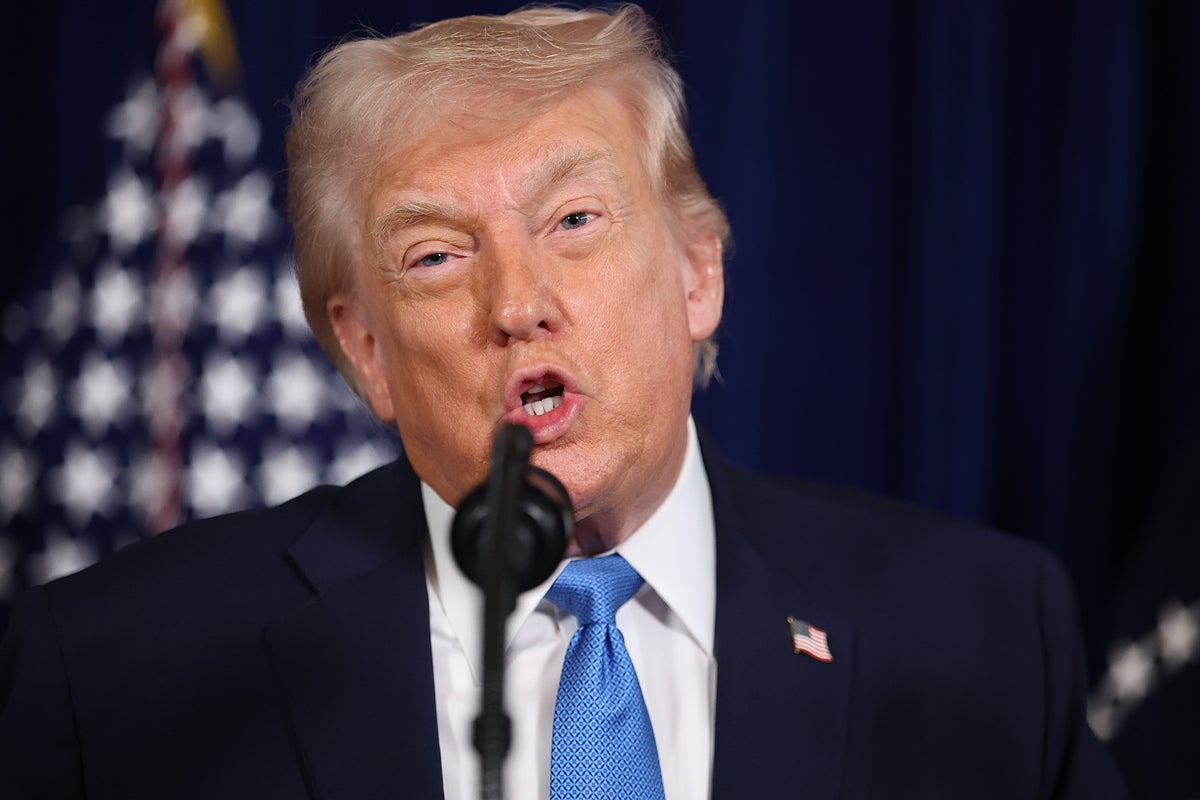
During a press conference at Mar-a-Lago, Trump stated, “We’re going to run the country until such time as we can do a safe, proper and judicious transition,” emphasizing that the U.S. would oversee Venezuela’s vast oil resources. He declared the military operation an “extremely successful” measure designed to protect American sovereignty and lives. However, immediate signs of U.S. control remain unclear.
The legal justification for the operation is under scrutiny, and international leaders have condemned the attack. Russia, Cuba, and Iran swiftly denounced the U.S. actions as violations of national sovereignty, while Argentina’s President Javier Milei celebrated Maduro’s capture, stating, “Long live freedom, dammit!” In contrast, Mexico and Brazil criticized the intervention, with Brazil’s President Luiz Inácio Lula da Silva calling it “an unacceptable line.”
Venezuelans expressed deep anxiety over Trump’s claims to govern their nation. Political analyst Maria Corina Roldan Robles questioned the legitimacy of the U.S. endorsement of Maduro’s second-in-command, Delcy Rodriguez, as interim leader. “They have not clarified the legal, political, or temporal framework of this leadership,” she said, expressing concerns that the transition could merely replace Maduro with another Chavista figure.
Trump’s administration has faced backlash domestically as well, with some U.S. politicians calling the operation illegal. However, key members, including Vice President JD Vance, defended the military action. The U.S. Justice Department has intensified its efforts against Maduro and Flores, recently releasing new indictments.
On the streets of Venezuela, reactions were mixed. While some celebrated Maduro’s capture, others expressed fear and uncertainty about the future. Armed groups began patrolling neighborhoods, and residents rushed to stock up on supplies amid fears of instability. “We never imagined this could happen; we weren’t prepared for an attack,” one resident lamented.
The military operation follows months of escalating pressure from the Trump administration, including a significant build-up of American forces in nearby waters. Recent strikes targeting Venezuelan drug cartels marked the first known direct U.S. operations on Venezuelan soil since September. The Trump administration reported at least 115 casualties related to these operations.
As the situation develops, the international community is closely monitoring the implications of U.S. control over Venezuela’s oil infrastructure. Trump’s repeated references to “our oil” have raised alarms among Venezuelans, who stress that these resources belong to them, not foreign powers.
Next Steps: The world watches as Trump insists on a swift transition in Venezuela. With tensions high and uncertainty looming, the actions taken in the coming days will be crucial for the Venezuelan people and the broader geopolitical landscape.