
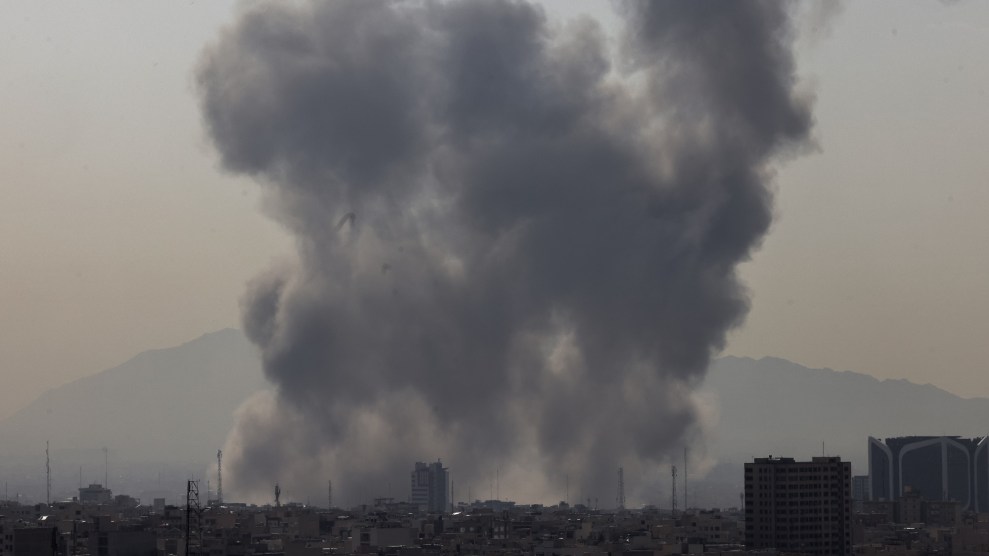
The United States and Israel initiated a significant military attack on Iran on February 28, 2026, marking a dramatic escalation in tensions following stalled negotiations regarding Iran’s nuclear program. This aggressive operation led to immediate retaliatory actions from Iran, targeting U.S. military installations and allied nations throughout the region.
Reports of civilian casualties emerged rapidly, with Iran’s state-run Islamic Republic News Agency (IRNA) claiming dozens were killed, including at a girls’ school, during the strike. The New York Times could not confirm these figures immediately. Additionally, the United Arab Emirates reported one death due to debris from an Iranian ballistic missile.
In an eight-minute video posted on Truth Social, former President Donald Trump confirmed the attacks, describing the Iranian regime as a “vicious group of very hard, terrible people.” He characterized the military operation as “major combat activities” and highlighted efforts to minimize risks for U.S. personnel. Despite these precautions, Trump acknowledged the potential for American casualties, stating, “the lives of courageous American heroes may be lost.”
Trump urged the Iranian populace to “take over their government,” reflecting the ongoing anti-government protests that have persisted in Iran for months. According to the Human Rights Activists News Agency, Iranian authorities had killed over 7,000 people as of February 11, with tens of thousands more arrested amid government crackdowns. The former president condemned these actions in his video message, attributing the collapse of nuclear negotiations to Iran’s refusal to abandon its nuclear ambitions.
The diplomatic fallout from the attacks was immediate. Badr Albusaidi, the Omani foreign minister who had been mediating negotiations, expressed his dismay over the escalation. “Active and serious negotiations have yet again been undermined. Neither the interests of the United States nor the cause of global peace are well served by this,” he stated on social media. He urged the U.S. to avoid further involvement, declaring, “This is not your war.”
Global reactions varied among U.S. allies. Canada and Australia expressed support for the campaign against Iran, while Britain, France, and Germany issued a joint statement criticizing Iran’s nuclear policies and the violent repression of its citizens. They emphasized, “We did not participate in these strikes, but are in close contact with our international partners, including the United States, Israel, and partners in the region.” The statement reaffirmed their commitment to regional stability and the protection of civilian lives.
As the strikes continued, civilians in the affected areas sought refuge. A resident of Tehran described the panic in a text message to the New York Times: “My children are crying and scared. We are huddling in the bathroom. We don’t know what to do. This is terrifying.”
The situation remains fluid, with ongoing military actions from both sides. The international community watches closely as the consequences of this conflict unfold, highlighting both the humanitarian impact and the broader geopolitical ramifications.