
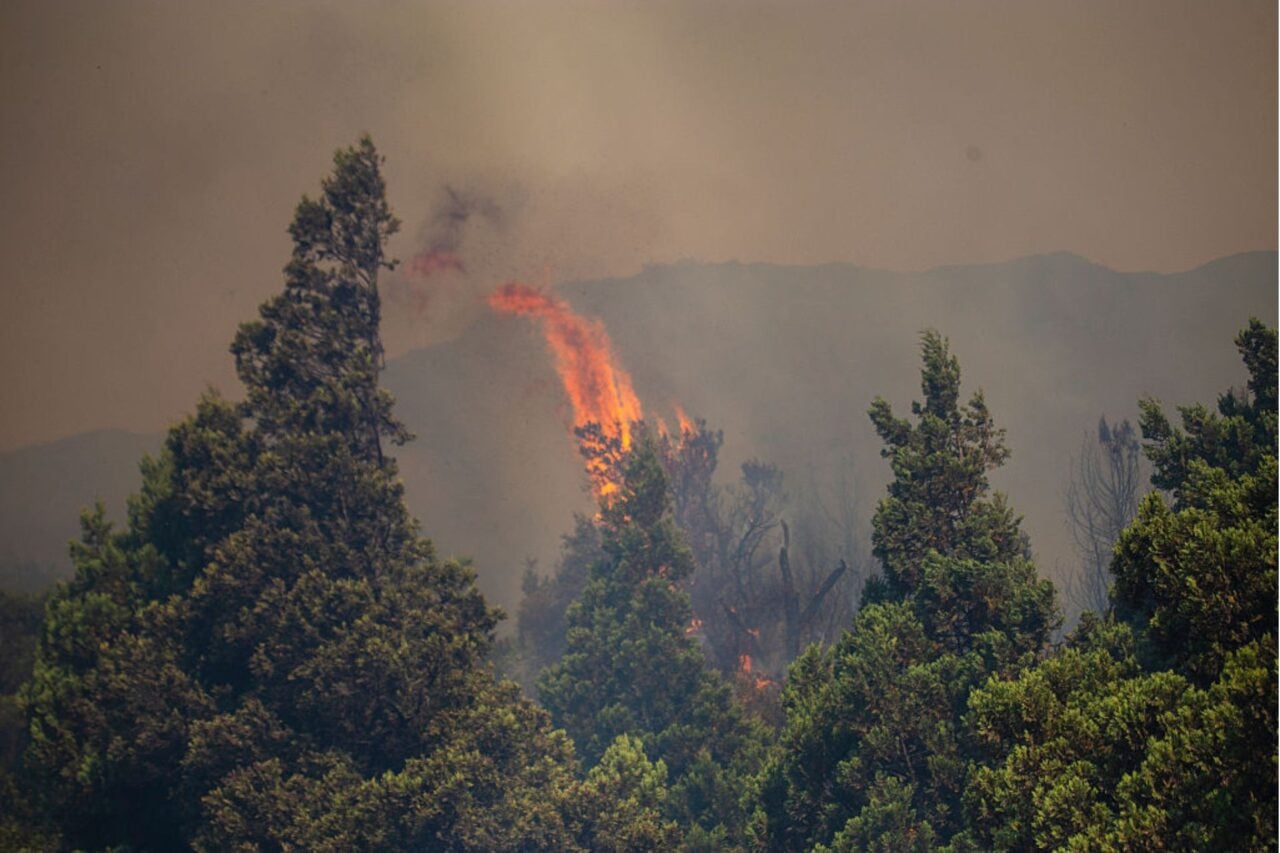
UPDATE: Catastrophic wildfires are raging through Patagonia, threatening some of the world’s oldest trees and claiming lives. As of mid-January 2024, wildfires have erupted in both Argentina and Chile, resulting in at least 23 fatalities and forcing tens of thousands to evacuate.
The fires, which began in early January in Argentina’s Chubut Province, have since spread to southern Chile, engulfing vast areas of forest and scrubland. Despite firefighting efforts, blazes are still actively burning, exacerbated by excessive heat and strong winds attributed to climate change.
A recent report from World Weather Attribution highlights that this wildfire crisis is fueled by months of drought and human-induced climate factors. The document emphasizes the dire consequences of these fires, which are not only devastating landscapes but also releasing massive amounts of carbon dioxide back into the atmosphere, further intensifying global warming.
One of the most affected areas is Los Alerces National Park, a UNESCO World Heritage Site known for its ancient Alerce trees, some of the oldest living trees on the planet. The park hosts the longest-living Alerce population, with individuals reaching heights of nearly 60 meters and ages up to 2,600 years. The destruction of these trees represents a significant loss in carbon storage capacity, as they play a crucial role in mitigating climate change.
The report warns that as these ancient trees burn, they act like “carbon bombs,” releasing stored carbon and exacerbating the very conditions that fuel wildfires. This cycle of destruction threatens not just the trees but also vulnerable wildlife, including the South Andean deer and the world’s smallest deer species, the pudú.
Environmental experts are alarmed by the implications of this ongoing crisis. “The destruction of critical habitats poses a growing threat to biodiversity and conservation efforts,” the report states. As wildfires become more frequent, the delicate ecosystems of Patagonia are under siege.
With projections showing a continued shift toward severe fire weather conditions and declining seasonal rainfall in both Chilean and Argentine regions, the threat of wildfires is likely to escalate. “This strong agreement among models gives us high confidence that the changes already observed are driven by climate change,” the report confirms.
As the situation develops, the long-term impact on Los Alerces National Park and its ancient giants remains uncertain. Experts warn that if global temperatures continue to rise, humanity risks losing these millennia-old trees forever.
Residents and environmental advocates are calling for immediate action to combat climate change and protect these valuable ecosystems. The world watches closely as Patagonia’s fate hangs in the balance.
What happens next? Authorities will continue to battle the blazes while assessing the damage to both human and environmental communities. The urgency of climate action has never been clearer as Patagonia grapples with the devastating effects of wildfires.