
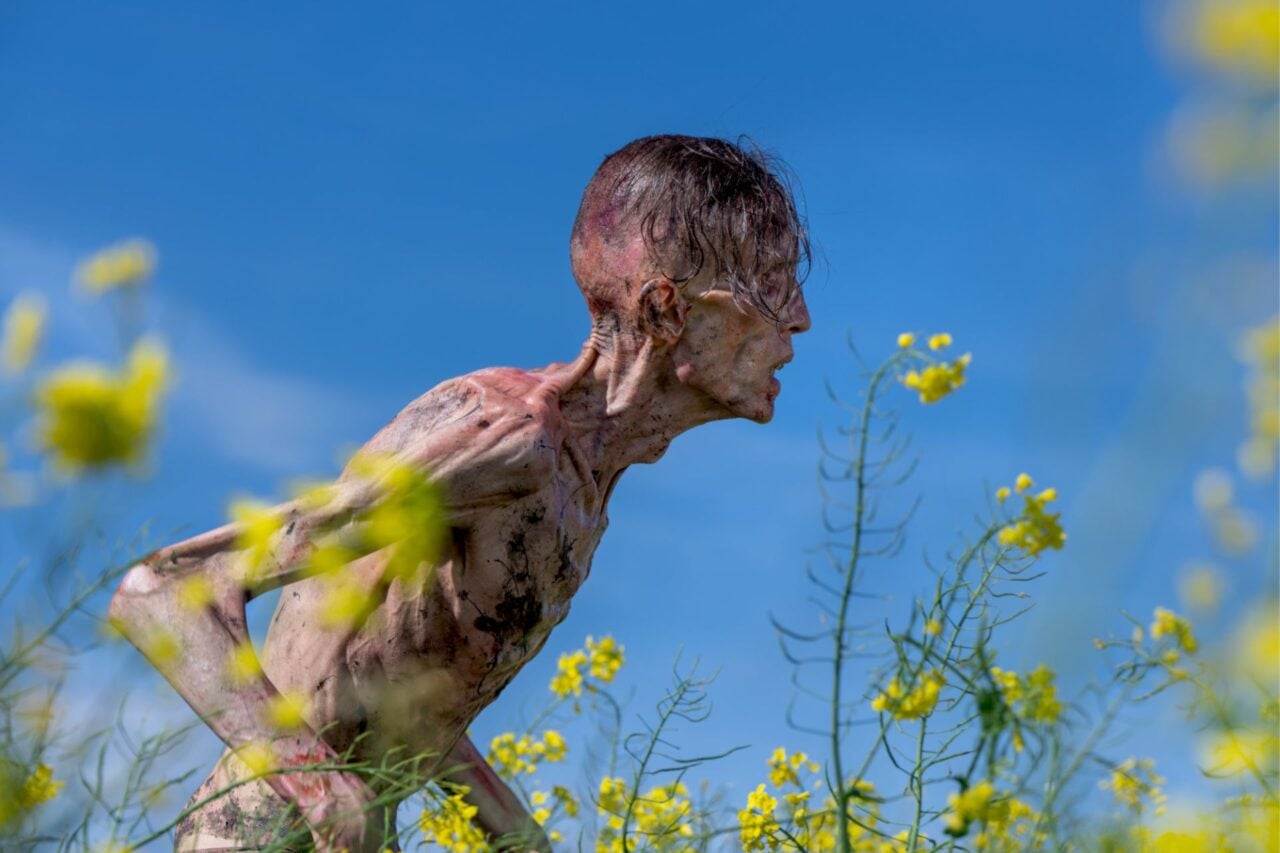
UPDATE: The world of horror is abuzz with new films showcasing fictional diseases that are chillingly inspired by real-life pathogens. Just three months into 2026, audiences have already witnessed the release of two infection-themed films: The Last of Us and Cold Storage, both introducing terrifying germs that raise the stakes in the horror genre.
These films are not merely entertainment; they highlight significant health themes that resonate with current global concerns. As climate change impacts ecosystems, real-world pathogens are evolving, raising alarms about potential new threats.
In The Last of Us, a hit series now on HBO, a fungal infection derived from Cordyceps transforms humans into aggressive creatures. Recent studies indicate that certain fungi are adapting to warmer climates, suggesting a potential for new fungal diseases to emerge among humans—a reality that mirrors the show’s premise.
Meanwhile, Cold Storage features a B-movie-style fungus that turns both humans and animals into explosive zombies. With stars like Liam Neeson at the helm, the film combines entertainment with a nod to the fear of infectious diseases.
Another notable franchise, 28 Days Later, introduces the horrifying Rage virus, a concocted version of the Ebola virus that leads to uncontrollable violence. This fictional scenario draws loose parallels to real viral outbreaks, prompting discussions about bioengineering and its consequences.
The REC series, along with American remakes Quarantine, explores a rabies-like infection that turns residents into vicious beings. The series smartly incorporates elements of actual rabies symptoms, such as aggression and fear of water, highlighting the importance of vaccination programs that have minimized rabies cases in many parts of the world.
Also noteworthy is the film Cooties, which presents a fictional disease that affects children, turning them into zombies while adults suffer from severe gastrointestinal issues. This mirrors the vulnerability of children to real foodborne illnesses, demonstrating the film’s commentary on public health.
In the 2012 film The Bay, a fictional outbreak is traced back to mutated isopods caused by environmental toxins. While these creatures may not pose a direct threat to humans, they serve as a reminder of the delicate balance in marine ecosystems and the risks involved in agricultural practices.
Lastly, the 2011 thriller Contagion realistically depicts a viral outbreak modeled after the Nipah virus, which has been linked to bat populations and has caused serious outbreaks since its discovery. With a high fatality rate of 40% to 50%, the film resonates with ongoing global health discussions as officials monitor the potential for similar zoonotic diseases to emerge.
As these films gain popularity, they reflect a growing public interest in the intersection of health and horror. The narratives serve not only to entertain but also to provoke thought about the real threats posed by infectious diseases in our world today.
Stay tuned for more updates on these films and the implications they may have on public perceptions of health risks. The blending of fiction and reality continues to captivate audiences while serving as a warning of the dangers lurking in nature.