
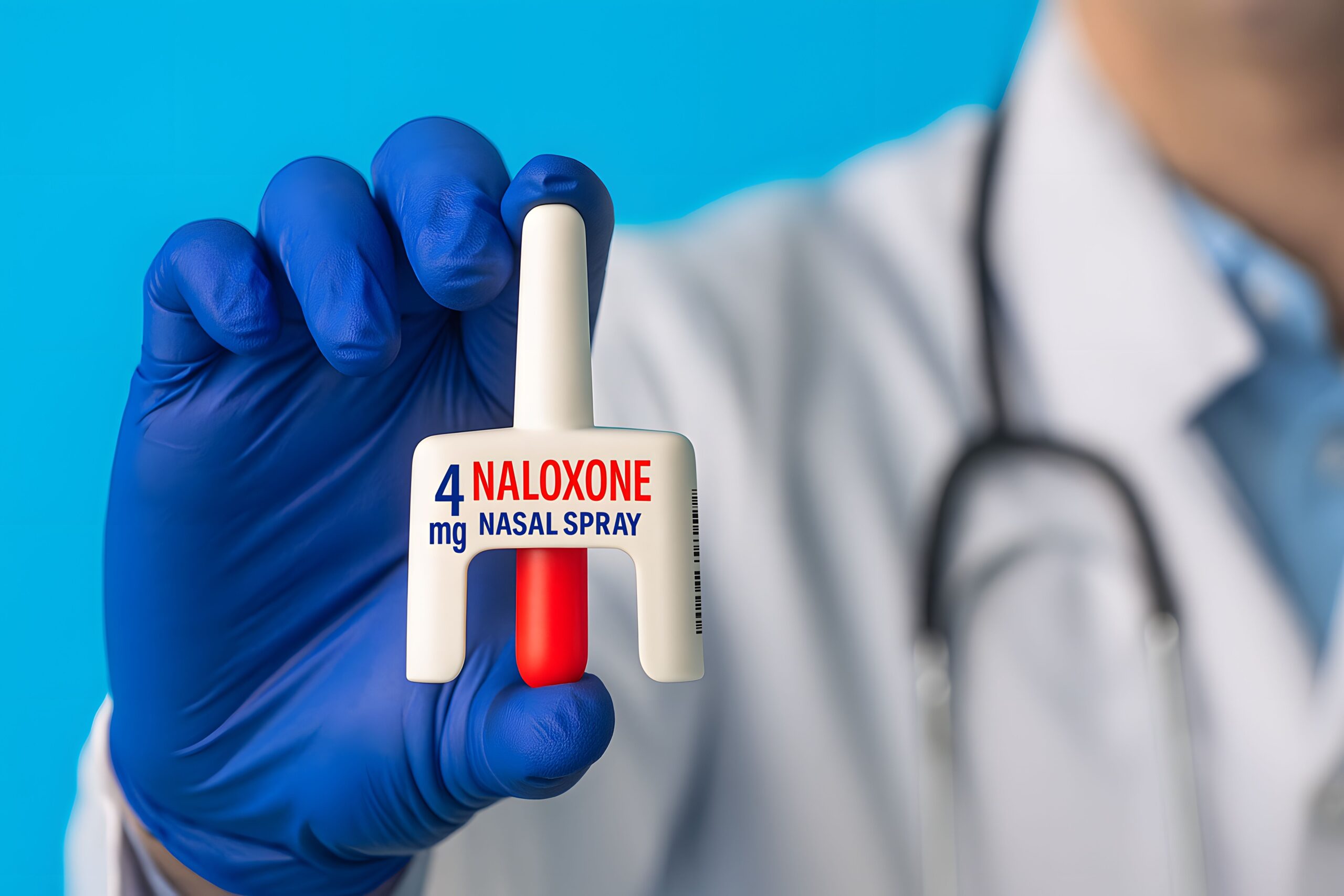
UPDATE: The FDA has just announced major safety labeling changes for opioid medications, emphasizing the necessity of naloxone (Narcan) prescriptions for patients at risk of overdose. This urgent development follows a staggering 107,941 overdose deaths in the U.S. in 2022, highlighting the ongoing opioid crisis.
As overdose rates continue to remain critically high, pharmacists are now on the frontline to combat this epidemic. The FDA’s new regulations, effective immediately, mandate that naloxone is prescribed alongside opioids exceeding a daily morphine milligram equivalent (MME) of 50 to 90 in states like Arkansas and California. This is a crucial step in safeguarding patients from the dangers of opioid misuse.
Pharmacists are urged to recommend naloxone whenever opioids are prescribed, especially for patients also using benzodiazepines, which significantly increase overdose risks. States such as Rhode Island and South Carolina have already imposed strict requirements for naloxone coprescriptions in such cases.
Latest data reveals that opioid-related deaths accounted for a staggering 80% of all drug overdose deaths in 2021, underscoring the urgent need for preventive measures. Naloxone, an opioid antagonist, reverses life-threatening respiratory depression caused by overdoses and can greatly reduce the likelihood of fatalities.
Pharmacists must now assess patient risk factors, including MME levels, history of substance use disorder (SUD), and concurrent benzodiazepine use. This proactive approach ensures naloxone is readily available and utilized effectively.
In a notable initiative, the Mississippi State Department of Health has launched Project AUTO-MED, providing naloxone distribution through the University of Mississippi Medical Center (UMMC) emergency department. This program, which has already expanded to multiple hospitals, aims to equip patients with naloxone kits upon discharge to further prevent overdose incidents.
The urgency of these developments cannot be overstated. As the opioid epidemic continues to claim lives, pharmacists play a critical role in implementing these new guidelines and ensuring that patients are adequately protected.
The FDA’s announcement serves as a reminder of the ongoing battle against opioid addiction and the importance of naloxone as a lifesaving intervention. Pharmacists are encouraged to engage with patients, provide education on naloxone use, and reduce stigma surrounding its prescription.
Next steps include ongoing training for pharmacists, collaboration with healthcare providers, and continued emphasis on naloxone accessibility. The opioid crisis remains a pressing concern, and immediate action is necessary to save lives.
Share this urgent news to raise awareness and encourage pharmacists and healthcare providers to act swiftly in addressing the opioid crisis and safeguarding the health of their patients.