
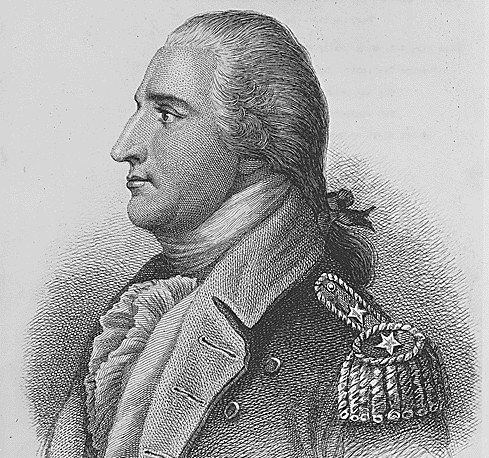
UPDATE: New reports confirm the historic military journey of Benedict Arnold—infamous for its failures—once passed through the Midcoast of Maine. This expedition, which set out on September 15, 1775, with nearly 1,000 men, aimed to seize Quebec from British forces and remains a crucial chapter in American Revolutionary history.
Arnold, a colonel in the Continental Army, departed from Newburyport, Massachusetts, with a fleet of 11 transport ships. His mission was driven by the Continental Congress’s fear that the British would utilize Quebec as a base against the colonies. His first stop was at Parker’s Head in Phippsburg, where local militia and support were gathered.
At Parker’s Head, Arnold met militia Captain Jordan Parker, a staunch supporter of liberty, who, alongside minister Ezekiel Parson, prayed for a successful journey. Local volunteers and supplies were secured before Arnold’s flotilla moved on to the Kennebec River, making a significant stop at Long Reach, now part of Bath, Maine.
Captain Samuel McCobb of Georgetown joined Arnold’s forces, bringing his militia aboard. The expedition continued upriver, stopping at Dresden and Pittston, where Arnold collected 220 wooden boats built by Colonel Reuben Colburn. Notably, a young Aaron Burr, future Vice President, killed a bear during this leg of the journey, providing food for the men.
As the expedition faced numerous challenges, including a smallpox outbreak and diminishing food supplies, Arnold’s forces were reduced drastically. By late October, 450 men had turned back due to illness, leaving Arnold with only 650 men to continue the arduous journey toward Quebec.
The expedition’s struggles coincided with a British naval siege on Falmouth, now Portland, as British forces retaliated against the militia’s actions. The attack on Falmouth, known as the Bombing of Falmouth, occurred while Arnold’s men were battling the harsh wilderness of Maine.
As they pressed onward, hardship mounted. Arnold’s men were exhausted, malnourished, and many fell ill. Captain McCobb, despite his leadership, never reached Quebec, returning home with the sick. By late December, Arnold’s assault on Quebec failed, leading to severe injuries and the capture of many of his men by British forces.
The aftermath of this expedition left Arnold’s reputation in tatters, leading to his eventual betrayal of the American cause. As news of his disastrous campaign spread across the colonies, McCobb recovered and rejoined the fight under General George Washington, rising to the rank of brigadier general.
While the tale of Arnold’s expedition is well-documented, the significant contributions and sacrifices made by the Midcoast communities remain largely unrecognized. Today, local historians and descendants are working to ensure that the bravery and involvement of these communities are remembered and honored.
As we reflect on this critical moment in American history, the lessons from Arnold’s journey remind us of the human cost of war and the importance of local heroes in the fight for independence. Stay tuned for more updates on this developing story and its impact on our understanding of the Revolutionary War.