
URGENT UPDATE: As of July 2023, Windows 10 has officially reached the end of its support lifecycle, leaving many users seeking immediate solutions to enhance their PC performance. For those reluctant to upgrade due to hardware limitations or critical software dependencies, Microsoft suggests six vital tweaks that can dramatically improve system efficiency.
With updates no longer rolling out, users can make lasting changes without worries of automatic resets. These adjustments promise to breathe new life into older computers, ensuring they run smoothly and efficiently.
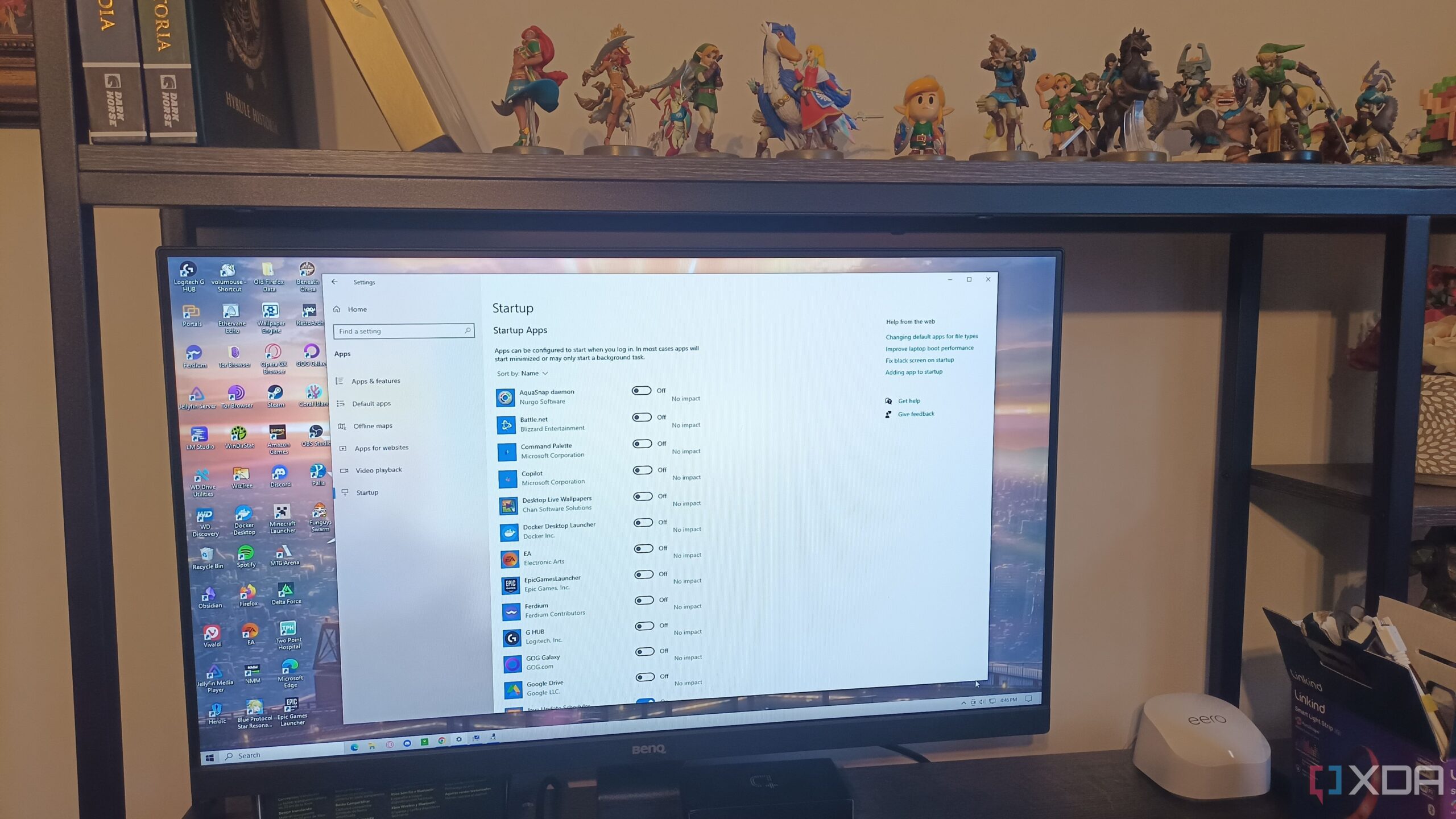
1. Disable Startup Apps for Faster Boot Times
When you power up your computer, numerous applications may launch automatically, slowing down your startup process. Disabling these unnecessary startup apps can significantly enhance your boot speed. Navigate to Task Manager and turn off any non-essential applications to reclaim valuable startup time.
2. Eliminate Background Apps Consuming Resources
Many programs continue to run in the background, consuming system resources even when not in use. To optimize performance, head to Settings -> Privacy -> Background Apps and toggle off those that are not critical for your daily tasks. This simple step can free up substantial resources for applications you actually use.
3. Switch to High Performance Mode
Windows 10 offers multiple power settings, including a High Performance mode that maximizes speed at the cost of energy consumption. To enable this, go to Settings -> Power & sleep -> Additional power settings and select High performance. This is especially beneficial for desktop users looking for a speed boost.
4. Disable Unnecessary Visual Effects
Visual effects can drain performance, especially on older machines. Access these settings by navigating to Settings -> System -> About -> Advanced system settings, then adjust for best performance. Users can maintain critical effects while optimizing for speed, balancing aesthetics and functionality.
5. Turn Off Power Saving for USB Devices
Windows can turn off power to USB devices to save energy, but this can lead to connectivity issues. To enhance reliability, manually disable this feature by opening Device Manager -> USB Serial Bus controllers. Right-click each device, select Properties -> Power Management, and uncheck the “Allow the computer to turn this device off to save power” option.
6. Uninstall Bloatware to Free Up Space
Windows comes pre-installed with various software that most users will never utilize. Programs like 3D Viewer and the Xbox app can be safely removed to free up precious disk space. Review your installed applications and delete anything unnecessary to enhance overall system performance.
These six tweaks, while simple, can create a substantial impact on your PC’s performance. Users can expect noticeable improvements, particularly with startup times and overall speed. Microsoft’s guidance offers a practical path forward for users tied to Windows 10, ensuring they can continue to operate efficiently despite the lack of further updates.
As the tech landscape evolves, these adjustments could be the key to maintaining productivity and performance for those hesitant to transition to newer operating systems.
Stay tuned for more updates and expert tips on optimizing your tech experiences.