
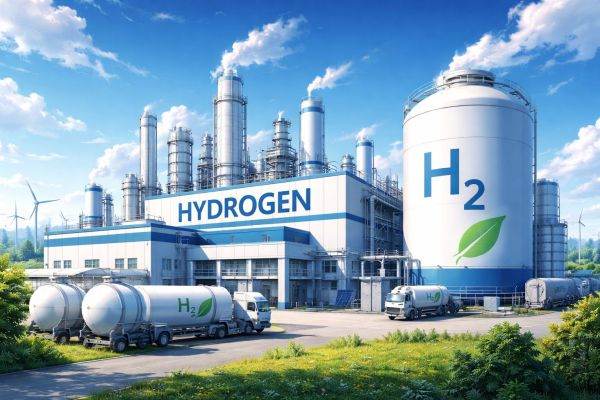
URGENT UPDATE: A groundbreaking study published in the journal Nature warns that while hydrogen is viewed as a crucial solution for a decarbonized energy future, it may inadvertently contribute to global warming. Conducted by the Global Carbon Project, this research highlights the pressing need for better understanding and management of hydrogen’s environmental impact.
The study reveals that hydrogen has contributed approximately 0.02 degrees Celsius to the rise in average global temperatures, which now stand at around 1.5 degrees Celsius above pre-industrial levels. The authors stress that “an excess of hydrogen in the atmosphere has consequences for the climate,” urging immediate attention to this underexplored issue as the world looks to expand hydrogen use.
Hydrogen’s environmental effects are complex. Unlike carbon dioxide and methane, which accumulate directly in the atmosphere, hydrogen indirectly impacts climate by extending methane’s lifespan through interactions with other gases. Currently, methane accounts for about a third of global warming, primarily driven by agricultural practices, fossil fuel extraction, and waste decomposition.
Lead researcher Rob Jackson explains that the decomposition of methane releases hydrogen, creating a troubling cycle. As methane levels continue to rise, they produce more hydrogen, which in turn prolongs methane’s presence in the atmosphere. This feedback loop poses significant risks, making it vital for scientists and policymakers to monitor hydrogen leakage closely.
Atmospheric hydrogen concentrations have surged, increasing by about 70% since pre-industrial times up to 2003. After stabilizing, levels began to climb again around 2010. Alarmingly, almost all hydrogen used globally is currently derived from fossil fuels, resulting in high greenhouse gas emissions due to polluting production processes.
As the world pivots towards renewable energy, a new industrial sector is emerging to produce “green” hydrogen. This cleaner alternative involves electrolyzing water using electricity from non-fossil fuel sources, promising a potential solution to the environmental challenges posed by traditional hydrogen production.
The findings of this study are crucial as governments and industries explore hydrogen’s role in a sustainable future. With climate change escalating, understanding the implications of hydrogen use is urgent. The researchers emphasize that comprehensively assessing the climate benefits of a hydrogen economy requires addressing hydrogen leakage.
As this critical research gains traction, experts and environmentalists alike are calling for immediate action to mitigate hydrogen’s unintended consequences. The potential for a cleaner energy future hinges on our ability to navigate these complex challenges effectively.
Stay tuned for further updates as this story develops.