
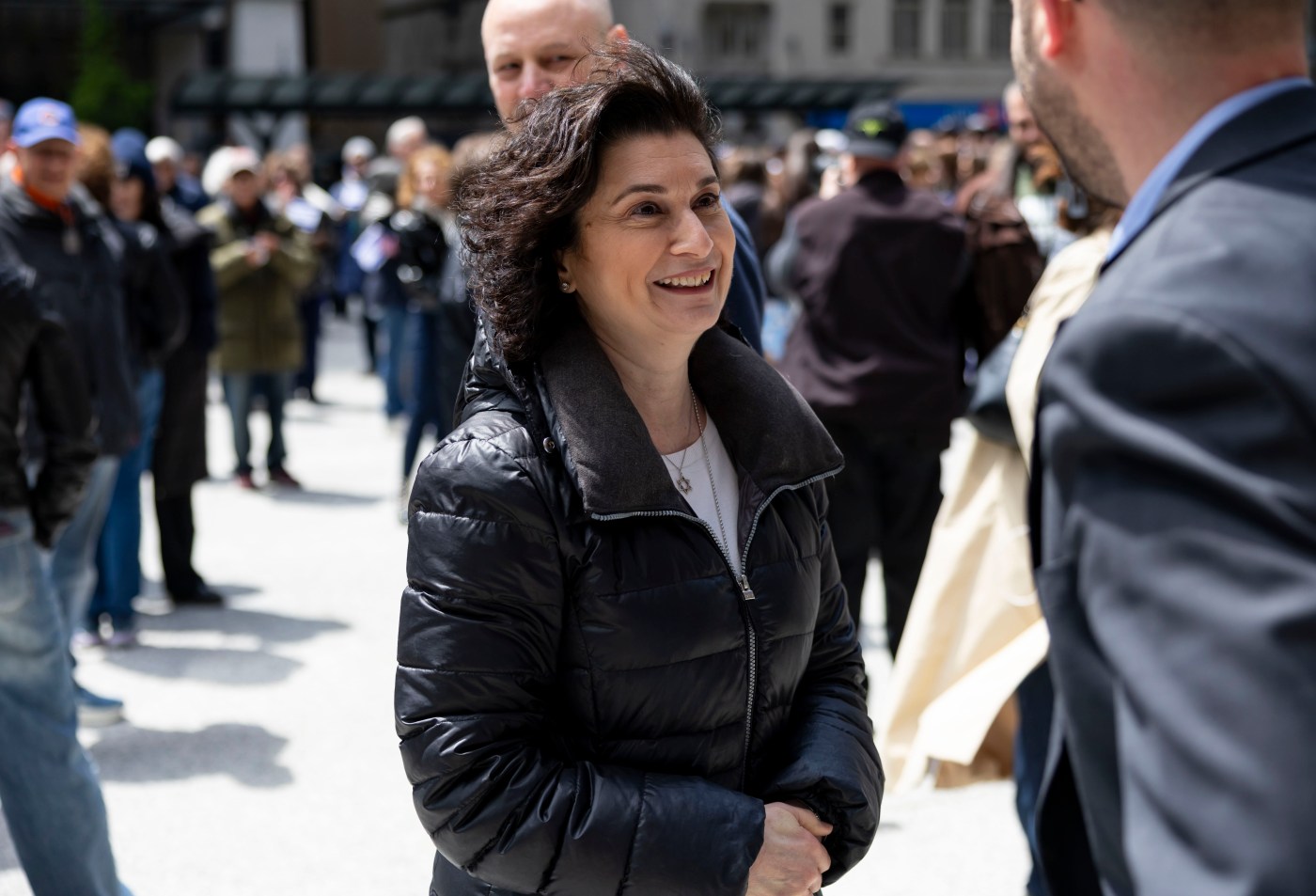
BREAKING: A heated debate is unfolding over representation in Illinois’ 9th Congressional District as candidates vie for a seat traditionally held by Jewish representatives. Chicago Alderman Debra Silverstein expressed deep concern about the potential loss of a Jewish voice, emphasizing the district’s significant Jewish community, which she claims needs representation that understands their unique needs.
However, recent statistics paint a different picture. According to a survey by the Jewish Electorate Institute, only 12% of the district’s population identifies as Jewish, while 15% identify as Asian. This has sparked a broader discussion about the importance of inclusive representation that reflects all demographic groups in the district, which is largely non-Jewish.
Candidate Hoan Huynh described the district as “the Ellis Island of the Midwest,” highlighting its diverse makeup. Voters are now urged to consider all population groups when choosing their representative, stressing that the needs of the 88% of constituents who do not identify as Jewish are equally important.
The debate extends beyond the congressional race to the Illinois Senate’s 9th District election, where candidates Rachel Ruttenberg and Patrick Hanley are also navigating the complexities of identity in politics. Some local voices argue that representation should not be tied to religious or ethnic identity but should focus on the candidates’ ideas and capabilities.
Activists warn that framing political races as “Jewish seats” risks undermining the fundamental principles of democracy, which prioritize character and commitment over identity. They call for a reevaluation of how candidates are endorsed and supported, raising concerns about whether the focus on identity may diminish the quality of leadership.
With early endorsements from the Illinois Legislative Jewish Caucus favoring Ruttenberg, observers are questioning the potential for bias in campaign support. Financial contributions from political action committees linked to these endorsements amount to tens of thousands of dollars, raising alarm about the influence of identity politics in shaping leadership.
As the election approaches, the urgency for inclusive dialogue and representation intensifies. Voters in the 9th Congressional District are encouraged to reflect on the broader implications of their choices, ensuring that elected officials represent a diverse set of voices and perspectives.
The implications of this debate are profound, impacting not only the immediate political landscape but also the future of representation in America. As the district gears up for the election, all eyes are on how candidates will respond to the call for a more inclusive approach to governance.
Stay tuned for updates on this developing story as voters prepare to make critical decisions that could redefine representation in Illinois.