
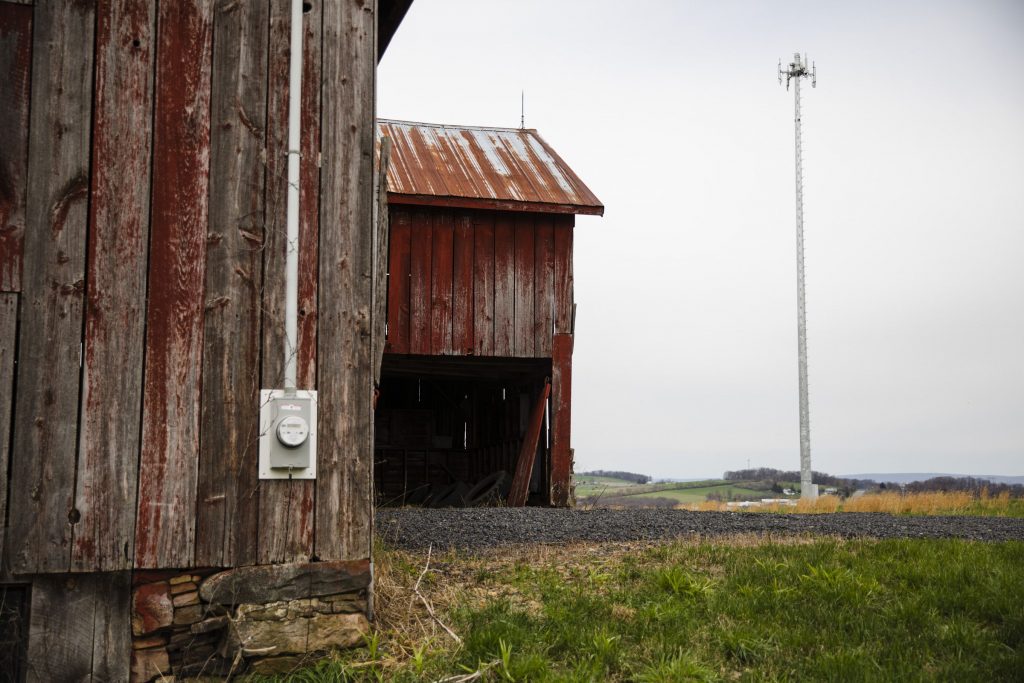
UPDATE: Major changes to a crucial federal broadband initiative are creating uncertainty for rural internet access in the U.S. The $42.45 billion program, launched in 2021, aims to provide high-speed internet to every corner of the country, but recent rule changes may hinder progress.
In a surprising announcement, Commerce Secretary Howard Lutnick stated that the program has been mired in “red tape” and outdated mandates. He promised a revision of the rules that could reshape how broadband is delivered, impacting millions who rely on these services.
Here’s what you need to know about the shifting landscape:
Rule Changes Favor Cheaper Technologies
In June, the Trump administration made significant alterations to the grant program. Initially, projects utilizing fiber-optic cables were prioritized to ensure faster future speeds. The new rules, however, now favor cheaper technologies like satellite and wireless internet, raising concerns that rural communities could be shortchanged.
Critics argue that these changes compromise long-term connectivity by favoring lower-cost solutions over more reliable infrastructure. Lutnick insists these adjustments will ensure taxpayers get the best value and connect people faster.
Cancellation of Digital Skills Grants
In a move that has sparked outrage, the Trump administration scrapped a separate $2.5 billion grant program aimed at teaching digital skills. This funding cut included over $25 million for the Pennsylvania Broadband Development Authority and nearly $12 million for Philadelphia to improve internet access for vulnerable populations.
The abrupt cancellation has left many low-income households without the necessary resources to access digital services, exacerbating existing inequalities as nearly 80% of Pennsylvanians fall into categories requiring additional support.
Expanded Role for Satellite Technology
As of August, Pennsylvania announced the companies selected for broadband grants. Approximately two-thirds of eligible locations will now be served by fiber-optic cables, while 18% will rely on satellite providers. This marks a significant shift, as officials are prioritizing projects capable of delivering broadband even in challenging terrains.
However, no satellite projects received “priority” designations, raising questions about their reliability and effectiveness in the long run. State officials stated that “non-priority” projects would only be considered if priority projects were either too costly or unavailable.
Funding Uncertainty Looms
The state of Pennsylvania is now on track to connect eligible locations for only $790.7 million, significantly less than its original $1.1 billion allocation. This reduction stems from both the rule changes and advancements in broadband infrastructure since the initiative began.
Originally, states could use leftover funds to enhance digital training programs or provide free devices. However, new guidance has rescinded these options, causing further confusion among state officials. A December executive order from Trump now ties the remaining funds to a federal review of state laws regarding artificial intelligence, complicating the situation even more.
What’s Next?
As these developments unfold, the future of broadband access hangs in the balance. A lawsuit challenging the legal authority to cancel the digital skills funding is currently pending, and it could have far-reaching implications for internet access among underserved communities.
For residents and businesses in rural areas, the impact of these changes is immediate and significant. As officials navigate this complex landscape, the pressing need for reliable, high-speed internet remains a top priority.
Stay tuned for updates as this situation continues to develop, and consider sharing this critical information with others who may be affected.