
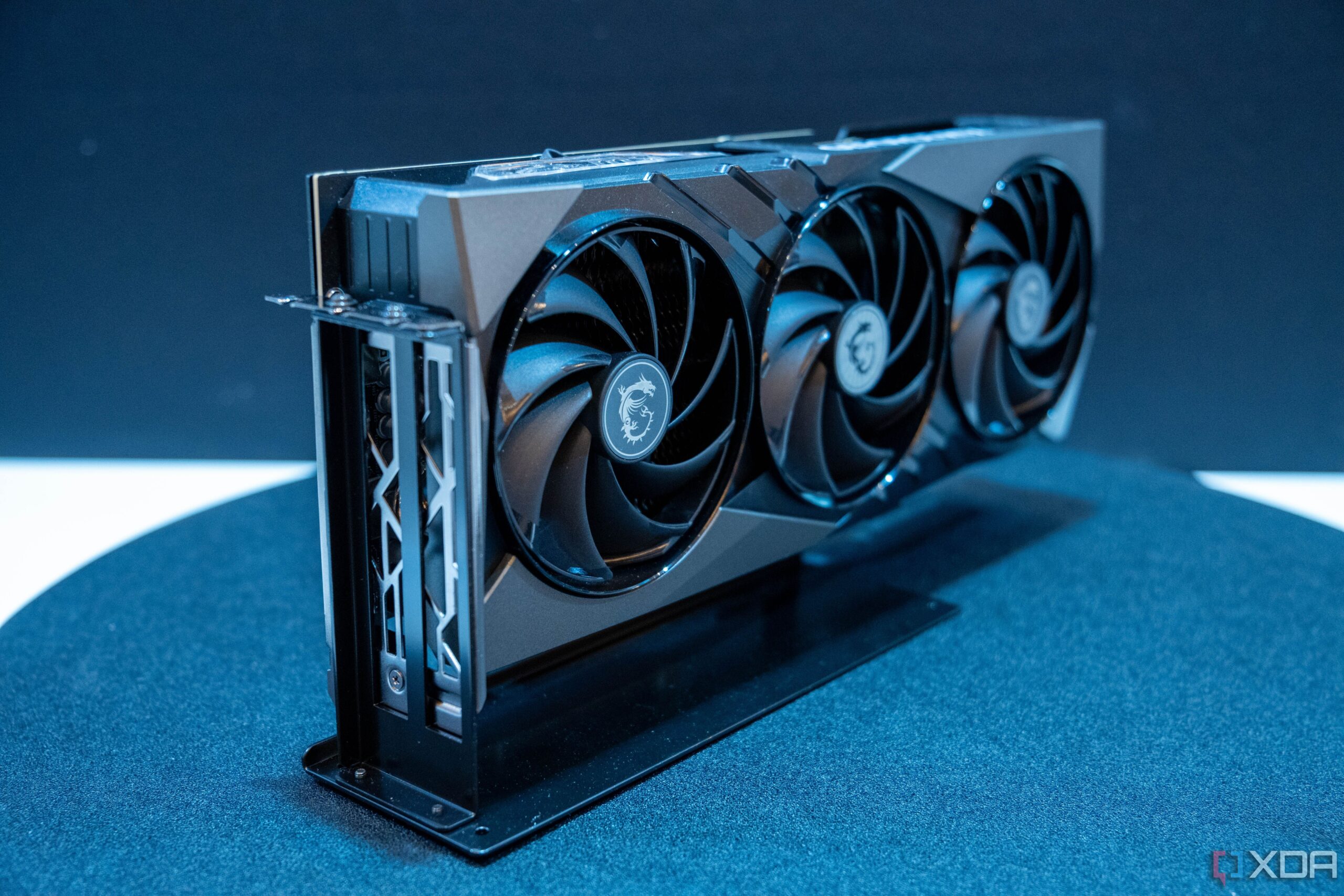
URGENT UPDATE: Consumers are urged to rethink GPU upgrades as many are paying for features they don’t fully utilize. Recent findings reveal that inflated prices and unnecessary specifications are driving everyday gamers and creators to spend more without receiving corresponding value.
Latest reports indicate that GPU pricing remains erratic, largely influenced by AI demand and supply chain issues. As manufacturers prioritize enterprise markets, consumer graphics cards have become victims of a marketplace that values availability over actual consumer needs.
In a surprising revelation, features like overclocking and ‘future-proofing’ are leading consumers to overspend. Testing shows that the RTX 4070 Ti Super offers minimal performance gains from overclocking, often resulting in only single-digit improvements. As one expert stated, “Modern GPUs are already optimized out of the box, leaving little room for manual tuning.” This means that the premium prices for overclocking capabilities may not justify their benefits, leading many to simply run their hardware in standard configurations.
Additionally, the notion of “future-proofing” is being challenged. New architectural advancements, like Nvidia’s transition from Turing to Blackwell, illustrate that specifications alone do not guarantee longevity. As gaming engines evolve, the performance demands also shift. For instance, the RTX 4070 Ti Super outperforms its predecessor, the RTX 3090, by approximately 15% at 1440p despite the latter’s higher price tag. This trend highlights that paying a premium for supposed future capabilities often results in diminishing returns.
The VRAM dilemma is another pressing concern. While having more VRAM seems advantageous, the question remains: how much is actually necessary? For gamers, 8GB of VRAM suffices at 1080p, while 12–16GB is ideal for 1440p settings. However, at 4K, 16GB or more becomes essential. For professional creators, demands can soar, with 16GB becoming a practical baseline for video editing and complex 3D rendering tasks.
As prices continue to fluctuate, consumers must be discerning about their purchases. Obsolete features, speculative upgrades, and inflated VRAM tiers all play into the marketing strategy of making users pay more now to avoid future regrets. With many features going unused, it’s crucial to remember that the most costly components are those whose capabilities remain untapped.
What’s Next: As the GPU landscape evolves, consumers should prioritize understanding their actual needs over marketing hype. Experts recommend evaluating your setup and workflow to make informed decisions rather than succumbing to the allure of unnecessary features.
Stay tuned for more updates as this situation develops, impacting both casual gamers and professional creators alike.