
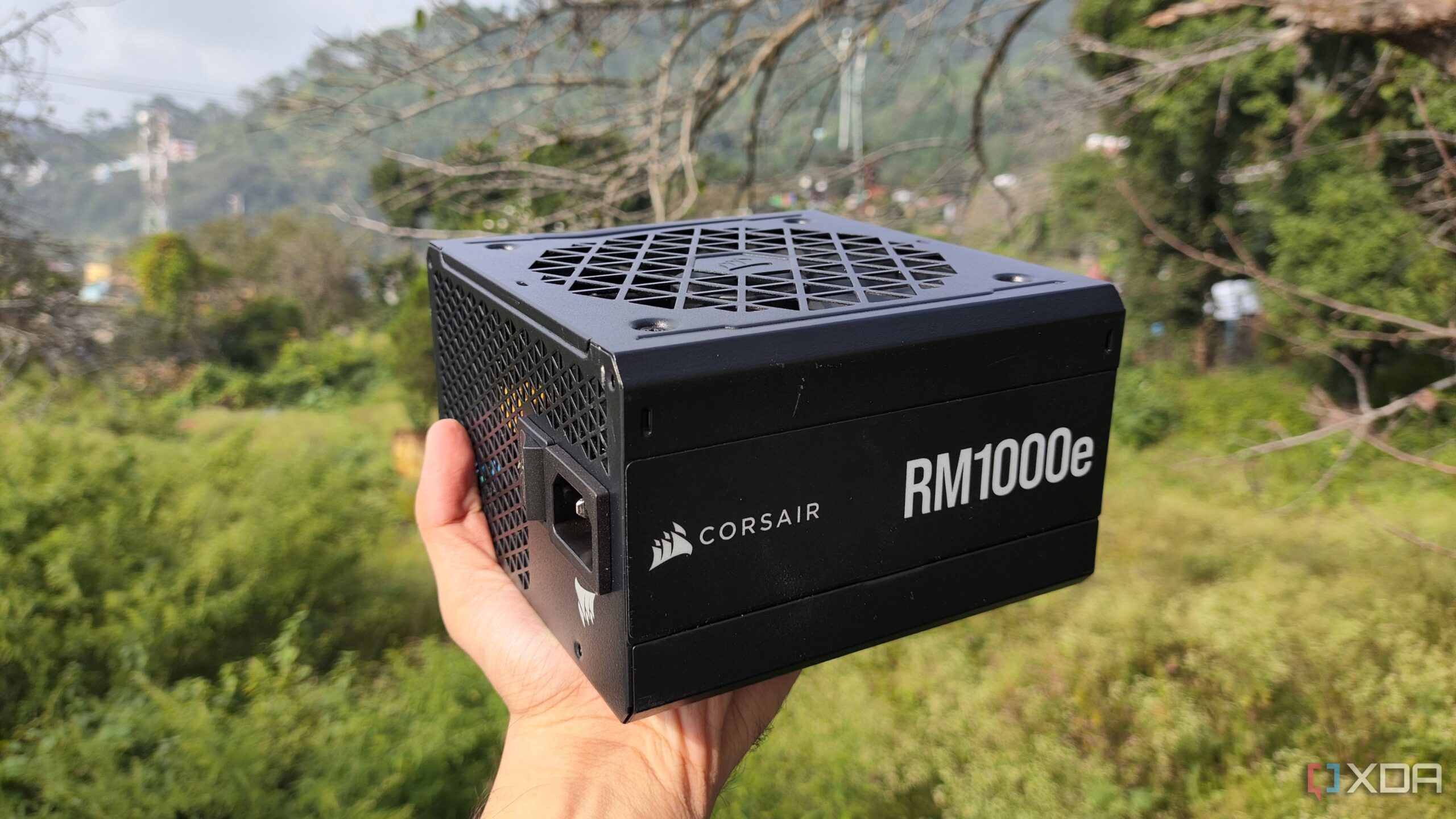
URGENT UPDATE: Concerns are mounting over the safety of zero RPM mode in modern Power Supply Units (PSUs), as experts warn that this feature could lead to overheating and component damage. As of today, reports indicate that many users may be unknowingly risking their systems by allowing their PSUs to remain silent under low loads.
The zero RPM mode is designed to keep PSUs quiet when demand is low, but it can become problematic, especially in systems with high-performance components like GPUs and CPUs. This feature relies on internal thermal controls that adjust fan speed based on current output and temperature, but the risk of overheating is significant when the fan is inactive.
This issue affects users with high-efficiency PSUs rated at 80+ Gold or higher, which are typically equipped with large heatsinks meant to dissipate heat without active cooling. However, even at low loads, PSUs generate heat, and without active cooling, this can lead to internal temperatures that damage sensitive components.
For instance, a system consuming 250W with a 650W PSU may remain in zero RPM mode, risking elevated temperatures as heat rises into the chassis. This can be particularly harmful during gaming sessions, where moderate loads could push internal temperatures dangerously high.
Experts emphasize that this is especially critical for small-form-factor builds or setups with inadequate airflow. In these cases, PSUs may pull in warmer air for cooling, compounding the issue. If your room temperature often exceeds 23°C, keeping the fan active could be a safer choice to prevent thermal cycling and enhance longevity.
This situation is not just a technical concern; it can impact the overall performance and lifespan of your gaming rig. Thermal cycling, which occurs when components heat up and cool down repeatedly, can lead to premature wear, particularly for capacitors and MOSFETs.
While some high-end PSUs are designed to handle these stresses better, lower efficiency models may be more susceptible to damage. Users are encouraged to switch off zero RPM mode if they notice their PSU running significantly warmer than expected, especially during moderate loads.
In light of these findings, it’s crucial for PC builders and enthusiasts to reassess their PSU settings. Keeping the fan on at lower RPMs can help maintain optimal temperatures without sacrificing noise levels, as high-quality fans operate quietly even under load.
As this story develops, users are urged to stay informed about the implications of their PSU settings and consider the potential risks associated with zero RPM mode. The message is clear: for many builds, particularly those with high demand or limited airflow, keeping the fan active is the safest route to ensure system reliability and performance.
Stay tuned for further updates as experts continue to analyze the impact of PSU designs on performance and longevity.