
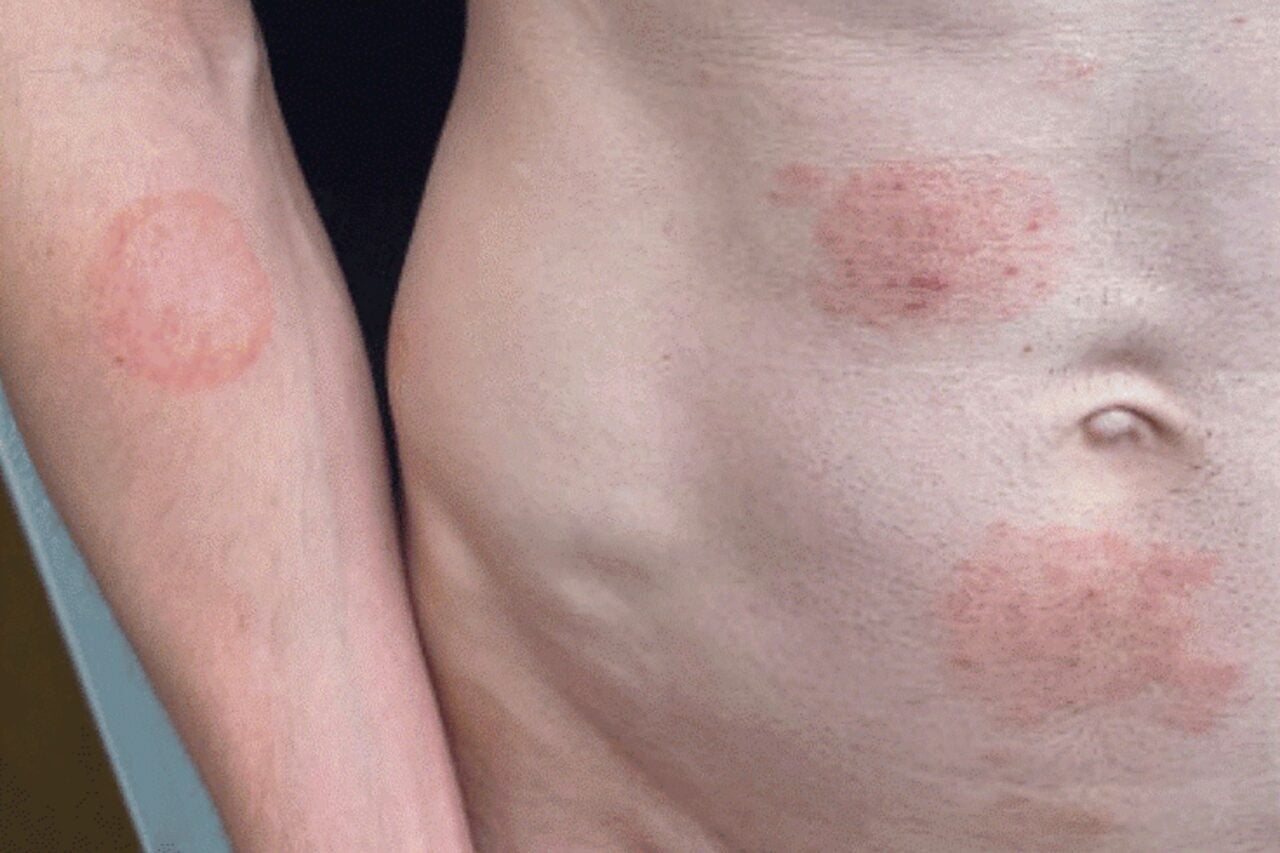
UPDATE: A significant outbreak of the sexually transmitted fungus Trichophyton mentagrophytes genotype VII (TMVII) is raising alarms in the United States. Health officials in Minnesota are urgently warning both the medical community and the public about the emergence of this fungal infection, which has been linked to dozens of confirmed or suspected cases in the Twin Cities metro area since July 2025.
This outbreak is reportedly the largest cluster of TMVII cases recorded in the U.S. to date, with 13 confirmed and 27 suspected cases, according to the Minnesota Department of Health. Doctors are now required to report cases to the health department, as officials urge anyone experiencing symptoms to seek medical care immediately.
The Minnesota Health Department stated, “Patients concerned they might have a rash consistent with TMVII, particularly if they have had recent sexual contact with others with a rash, should visit an STI clinic for evaluation and treatment.” This fungal infection primarily affects men who have sex with men and appears to spread mainly through close sexual contact, leading to painful and persistent rashes.
TMVII is particularly alarming as it can cause severe, inflammatory skin reactions that may lead to permanent scarring, making prompt treatment essential. Health officials are advising those with symptoms—such as itchy, scaly, circular rashes on various parts of the body—to consult a healthcare professional and notify their sexual partners.
The urgency of the outbreak is compounded by the fact that TMVII can be difficult to diagnose, with its symptoms often resembling other skin conditions like eczema or psoriasis. Despite the potential risks, health officials emphasize that TMVII remains treatable with antifungal medications, though treatment may take longer than typically expected.
As of now, the public risk is considered low; however, specific groups, including those with a history of STIs and individuals using anonymous dating apps, are deemed at higher risk. The Minnesota Department of Health continues to monitor the situation and has established an enhanced surveillance system to track cases more effectively.
In light of these developments, officials are urging individuals to practice caution. This includes avoiding skin-to-skin contact with anyone exhibiting a rash, covering affected areas with bandages, and refraining from sharing personal items such as towels and razors. Thorough handwashing after contact with any affected areas is also recommended to prevent further spread.
With the outbreak developing rapidly, it’s crucial for individuals to remain vigilant. Health officials are committed to providing updates as the situation evolves, and anyone experiencing symptoms should prioritize seeking medical evaluation. Stay informed and protect yourself and your community from this emerging fungal threat.