
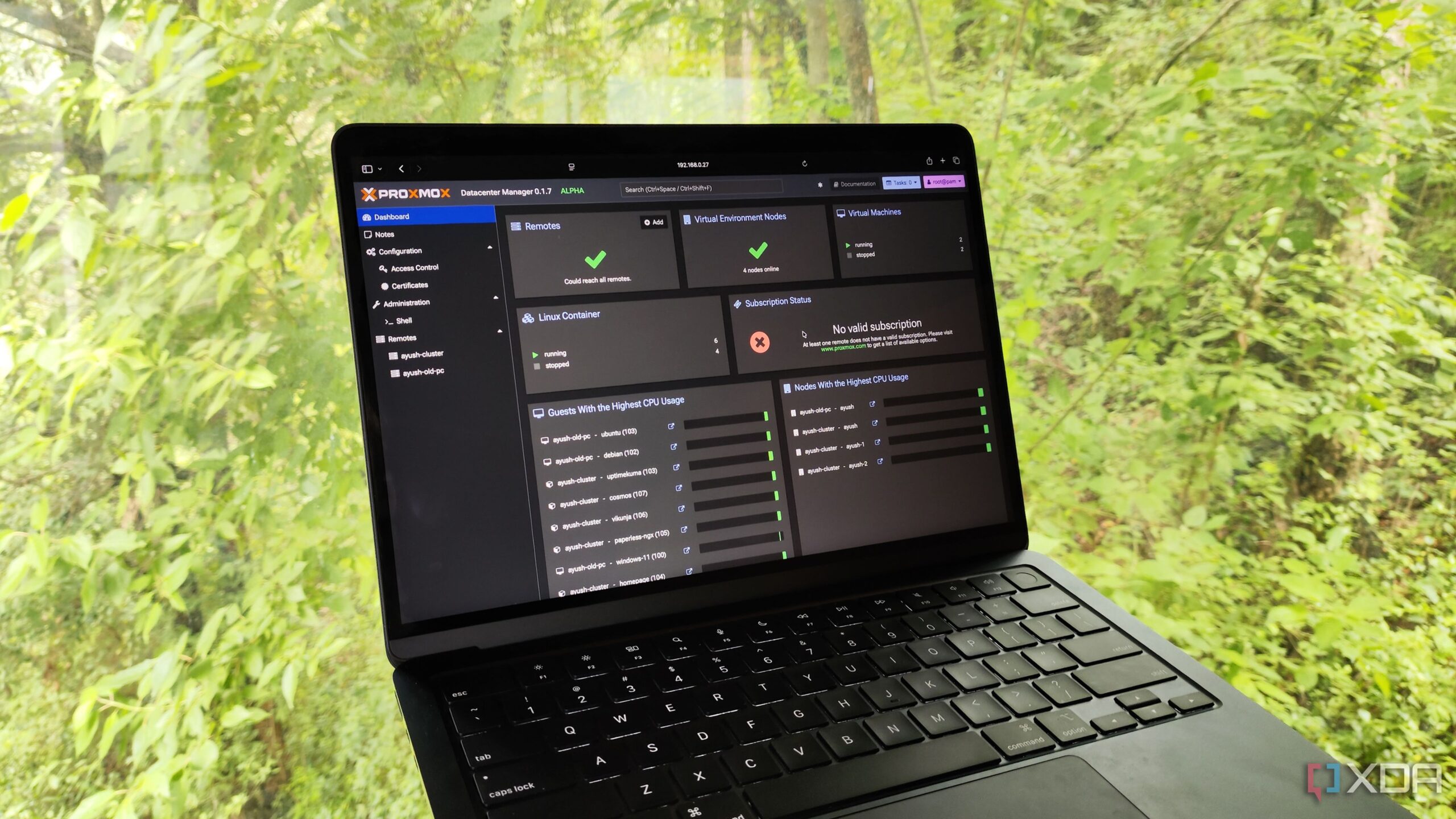
BREAKING NEWS: New insights reveal that self-hosting is not the “free” solution many have believed it to be. As users flock to Free and Open-Source Software (FOSS), a harsh reality is unfolding: the costs associated with self-hosting can add up quickly, undermining the initial appeal of “free” software.
In a recent analysis, experts highlight five critical reasons why self-hosted solutions often come with hidden expenses. This information is vital for those considering self-hosting as a viable alternative to traditional software models. The study, published earlier this week, emphasizes that while the code may be free, the associated costs for setting up and maintaining these systems can be substantial.
First, many users underestimate the ongoing maintenance costs. Running a self-hosted system requires constant updates, security checks, and troubleshooting, which can translate into significant time and financial investments. For many, what starts as a low-cost venture morphs into a recurring expenditure that can strain personal and organizational budgets.
Second, server hardware costs can be substantial. Users often forget that reliable performance necessitates quality hardware. Devices need to be purchased, upgraded, and sometimes replaced, leading to unanticipated financial commitments.
Third, internet bandwidth requirements can escalate quickly. High data transfer rates are essential for a smooth user experience, and many self-hosted solutions demand robust internet plans. This often means higher monthly bills that users did not initially factor into their budgeting.
Fourth, the learning curve associated with self-hosting can be steep. Many users find themselves spending extensive hours learning how to configure and optimize their systems. This time investment can lead to lost productivity in other areas, impacting potential earnings or project deadlines.
Finally, users must grapple with the risk of downtime. Without a dedicated support team, self-hosted systems can experience outages that disrupt service. The potential loss of data or access can have dire consequences for both personal and professional projects.
As the self-hosting trend gains momentum, users must weigh the potential benefits against these hidden costs. Experts urge individuals and organizations to conduct thorough assessments before diving into self-hosting solutions.
What’s next? As this discussion develops, industry leaders and FOSS advocates are expected to address these issues in upcoming forums. Stay tuned for expert insights and strategies to navigate the self-hosting landscape effectively.
The implications of this analysis are clear: self-hosting offers appealing control and customization, but the reality of ongoing expenses and maintenance cannot be ignored. Users are encouraged to remain vigilant and informed as they explore their software options. Share this urgent update with others considering self-hosting to ensure they understand the full picture.