
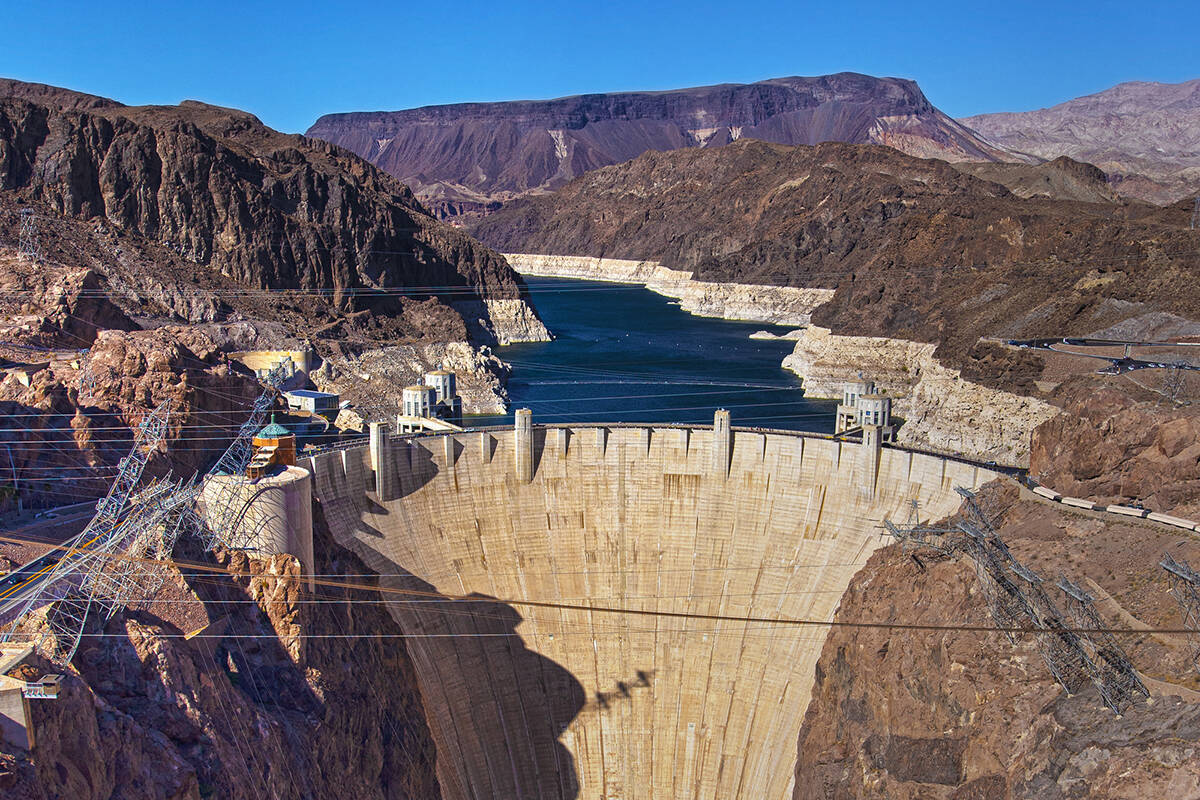
Laura McSwain’s recent commentary underscores a critical issue regarding water management in the Southwestern United States. The region faces significant water security challenges, not from a lack of water, but from inadequate infrastructure to effectively capture, store, and distribute this vital resource. Each year, storms in California release billions of gallons of runoff into the Pacific Ocean. According to scientific assessments, a single storm can potentially replenish the reservoirs of both Lake Mead and Lake Powell in Nevada. Despite this, states like Nevada are implementing rationing measures as they prepare for water shortages.
The situation reflects a policy failure rather than a natural inevitability. Historical precedents demonstrate that the United States has successfully tackled similar large-scale problems in the past. In the 1800s, the country constructed extensive pipelines to transport petroleum from resource-rich areas to those lacking in oil. The 1930s saw significant advancements in rural electrification, while the 1950s marked the completion of the interstate highway system, connecting the nation more effectively.
These monumental projects succeeded because they were treated as national priorities, rather than regional inconveniences. Water management deserves the same level of commitment. By fully utilizing technologies such as desalination, stormwater capture, and wastewater recycling, California could significantly decrease its reliance on the Colorado River. This shift could even allow the state to share surplus rainwater with neighboring Nevada.
The technology necessary for this transformation already exists, and the need for action is clear. What remains absent is the political will to navigate through bureaucratic obstacles and implement effective solutions. Without reliable and adequate water resources, the sustainability of the Southwest’s environment and future development will be jeopardized.
The stakes are high, and the time for decisive action is now. The future of water security in the Southwest hinges on a collective commitment to address these challenges through innovative and collaborative approaches. By prioritizing water infrastructure, the region can ensure a secure water future for its communities and ecosystems alike.