
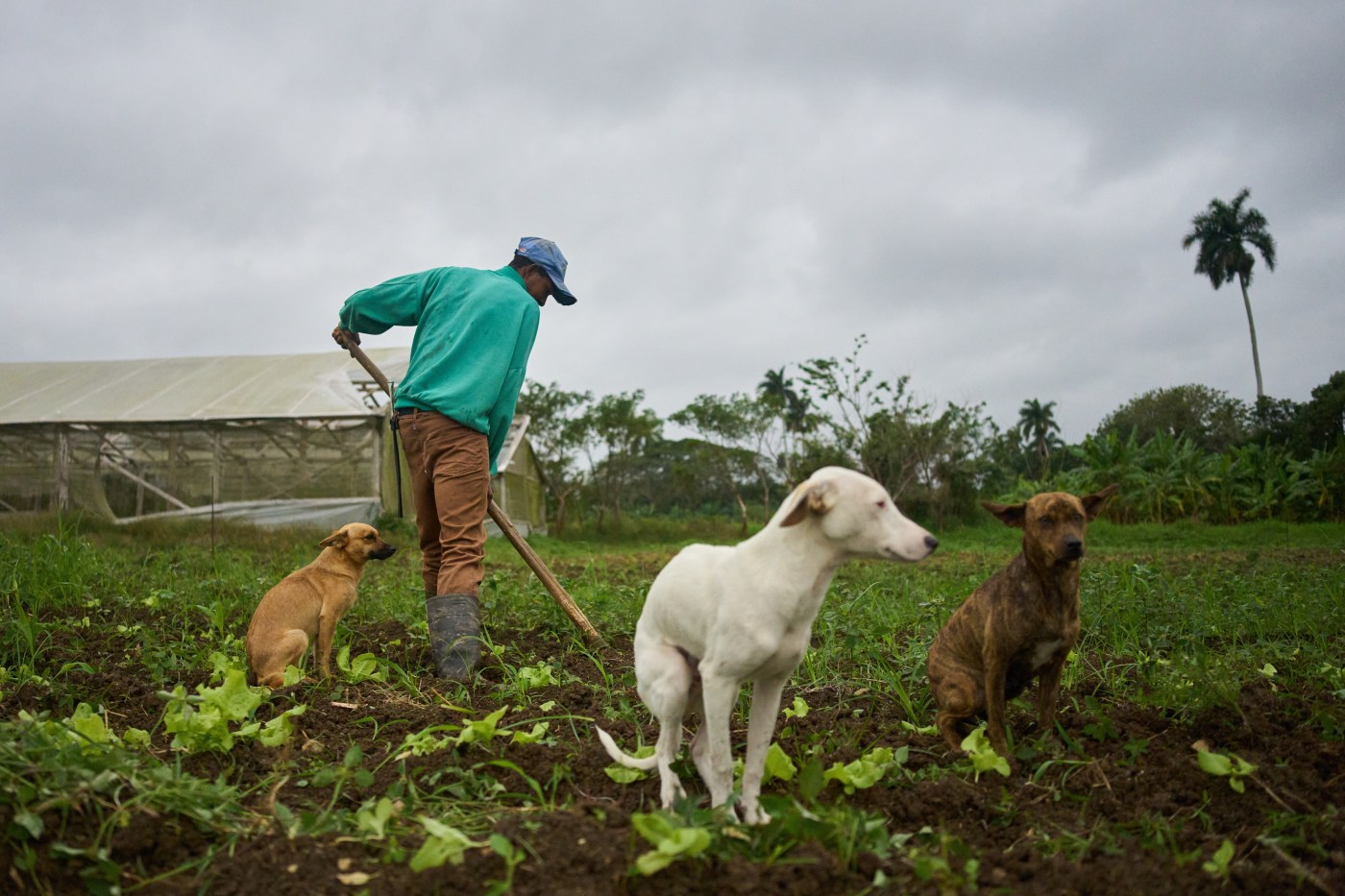
UPDATE: Cuba is grappling with a severe economic crisis marked by food insecurity, energy shortages, and escalating disease rates. As of now, the U.S. Agriculture Coalition for Cuba is urging immediate action to support Cuba’s struggling private sector and agricultural community.
Officials confirm that the Cuban private sector now accounts for an estimated 70% of food imports, a significant shift from past government-controlled purchases. However, U.S. agricultural exports remain limited despite a legal framework that has allowed exports to Cuba for the last 25 years. This presents a critical opportunity for the U.S. to enhance food security in Cuba while supporting local economic recovery.
Why This Matters: The urgent need for food security in Cuba has never been more pressing. As the nation faces economic contraction, creating conditions that allow citizens to thrive is crucial. By enabling investment in Cuba’s private agricultural businesses, the U.S. could not only bolster these sectors but also enhance its own competitive agricultural exports.
Details: Paul Johnson, chair of the U.S. Agriculture Coalition for Cuba, emphasizes that facilitating U.S. Treasury licenses for investment in Cuban private enterprises could significantly improve the situation. This would strengthen farm cooperatives, many of which already hold land titles, thereby increasing their productivity and purchasing power.
Moreover, collaboration between U.S. and Cuban agricultural producers, researchers, and scientists is essential. Increased joint research efforts are necessary to tackle common agricultural challenges, such as pests and diseases, which impact both nations’ agricultural resources.
Next Steps: To achieve meaningful change, U.S. policymakers must prioritize shared goals with Cuba, focusing on food security and economic stability. The call for broadening agricultural investment and trade is more urgent than ever. Without these actions, the potential for recovery in Cuba remains bleak, affecting not only its citizens but also the U.S. agricultural sector.
As developments unfold, the international community is urged to watch for U.S. legislative movements regarding agricultural investments in Cuba. The response from the Cuban government to these proposals will be pivotal in determining the future of U.S.-Cuba relations and the well-being of the Cuban people.
In related news, ongoing debates around U.S. immigration policies highlight the complexities of governance. Columnist Elizabeth Shackelford raises concerns about the methods employed by Immigration and Customs Enforcement (ICE), emphasizing the need for reform. Protests against ICE actions have gained momentum, with public backlash prompting discussions on accountability and humane treatment of undocumented immigrants.
The urgency of addressing both Cuba’s economic crisis and immigration challenges in the U.S. underscores the interconnectedness of these issues. As these discussions continue, the focus remains on creating viable solutions for a brighter future for all involved.