
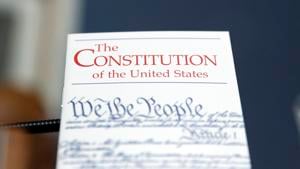
The ongoing debate regarding the role of checks and balances in the United States government is crucial in maintaining democratic integrity. Recently, letters to the editor have highlighted concerns about the erosion of these foundational principles that were established by the Founding Fathers. The intention behind the checks and balances embedded in the United States Constitution is to prevent any single branch of government from wielding excessive power.
The United States Constitution, ratified on June 21, 1788, laid the groundwork for a political system that includes three branches: the Executive, the Legislative, and the Judiciary. Each branch has distinct powers and responsibilities, designed to hold the others accountable. For instance, Congress can legislate, the President can veto legislation, and the Judiciary can interpret laws. This structure is intended to foster collaboration and mitigate the potential for tyranny.
Importance of the Founding Principles
The Founding Fathers, including key figures like James Madison and Benjamin Franklin, emphasized the necessity of these checks and balances in the Federalist Papers. They argued that a government must have mechanisms to control itself, ensuring that no individual or group could dominate the political landscape. This principle remains relevant as contemporary discussions frequently touch on the balance of power, especially as political divisions deepen.
Recent events have sparked conversations about the effectiveness of these safeguards. Critics point to instances where one branch may appear to overstep its authority, raising alarms about the potential for a shift towards authoritarianism. The implications of such actions could be profound, affecting everything from individual rights to international relations.
Public Engagement and Democratic Responsibility
Public awareness and engagement are vital to preserving the integrity of the Constitution. Citizens must remain vigilant and informed, understanding their rights and the mechanisms designed to protect them. The dialogue surrounding checks and balances is not merely a political issue; it resonates with the core values of democracy.
As noted in various community forums and letters to the editor, individuals express concerns about the current political climate, emphasizing the need for accountability among all branches of government. The responsibility lies not only with lawmakers but also with the electorate to demand adherence to constitutional principles.
The future of democracy in the United States hinges on the commitment to uphold these foundational checks and balances. As debates continue to unfold, it is essential to remember that the Constitution was designed as a living document, adaptable to the times while retaining its core function of safeguarding liberty.
In conclusion, the ongoing discussions around the Constitution’s checks and balances highlight their critical role in ensuring a fair and equitable political system. As citizens engage in these conversations, it is imperative to draw upon the wisdom of those who crafted these principles, ensuring that democracy remains robust and resilient.