
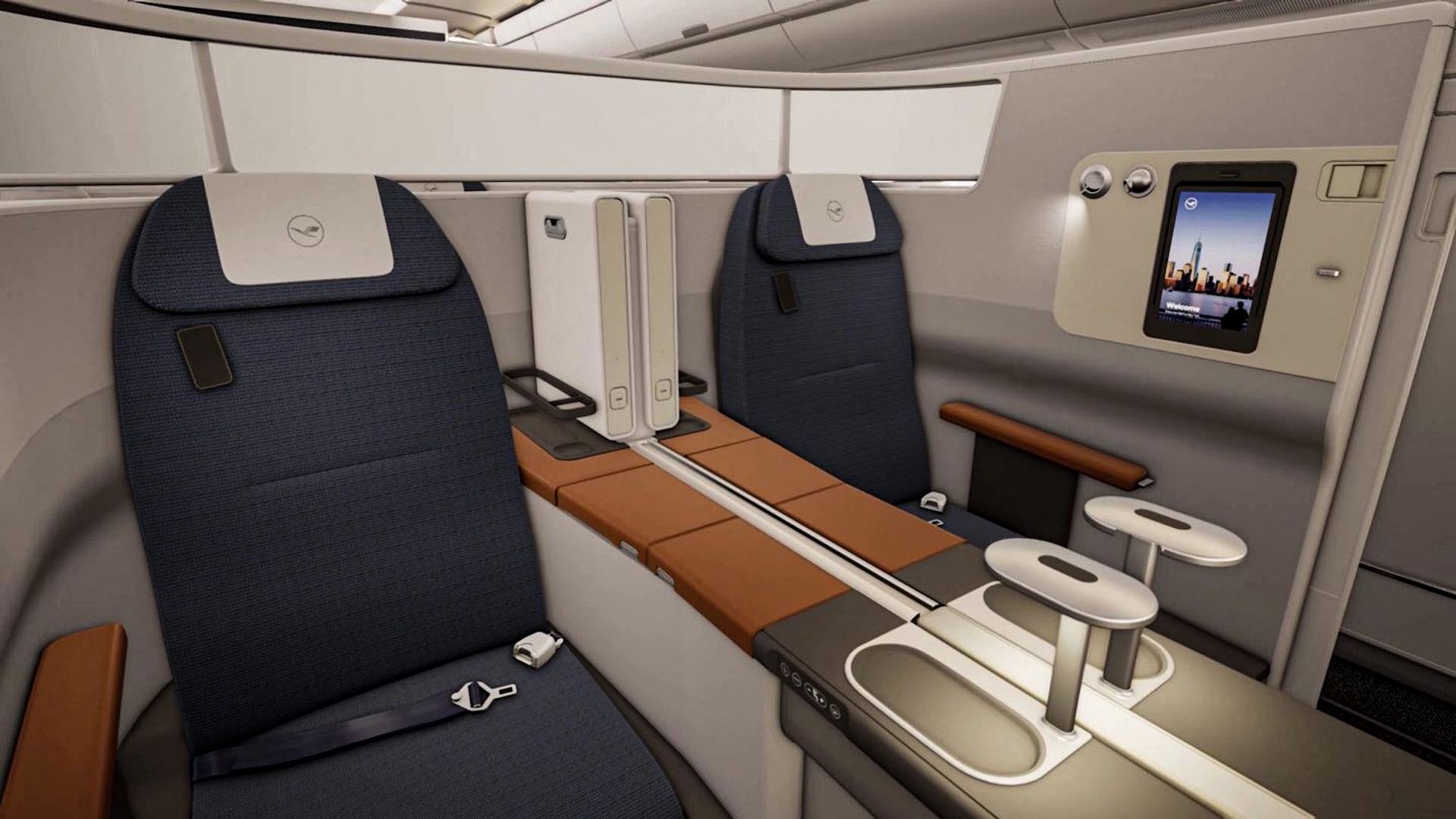
The decision to upgrade to business class often hinges on timing and cost. Many travelers believe that waiting until check-in—whether online or at the airport—will yield a pricier upgrade. This notion, however, is not universally accurate. The reality of upgrading to business class is shaped by dynamic pricing models that consider multiple factors, including demand, seat availability, passenger status, and the original fare purchased.
Airlines leverage sophisticated revenue systems that continuously adjust upgrade prices based on real-time supply and demand. When check-in opens, airlines have a clear understanding of aircraft capacity and the number of unsold business class seats. For instance, on popular routes like New York’s JFK to Los Angeles’ LAX, upgrades may be aggressively priced if few premium seats remain available.
On a busy transcontinental flight operated by Delta Air Lines, an upgrade might be offered at $250 days before departure. If demand increases and only a couple of seats remain by the time check-in opens, that same upgrade could rise to $700 or more, depending on the inventory left.
Understanding Dynamic Pricing in Upgrades
Dynamic pricing means that upgrade offers can vary significantly among passengers on the same flight. Factors such as fare class, booking channel, and loyalty status often determine the price displayed during check-in. For example, frequent flyer programs like American Airlines’ AAdvantage or United Airlines’ MileagePlus prioritize elite members for complimentary or discounted upgrades.
At Delta Air Lines, members of the Medallion program are frequently upgraded ahead of general passengers, which can limit the availability of business class seats by the time check-in opens. This can create a perception that upgrades at check-in are more expensive, when in fact, limited availability may be the root cause.
Pre-Check-In Offers vs. Airport Pricing
Many U.S. airlines proactively market upgrade offers before check-in begins, using emails or app notifications to encourage passengers to upgrade for a fixed price. These offers can appear several days or weeks in advance and are often more affordable than what passengers might encounter at check-in. For instance, a traveler flying from Dallas/Fort Worth International Airport (DFW) to Miami International Airport (MIA) might receive a pre-check-in upgrade offer for $180. If disregarded, the price at check-in could escalate to $350 or more, depending on seat availability.
The difference between pre-check-in offers and airport pricing lies in timing and demand forecasting. Early offers are based on projected demand, while check-in prices reflect actual booking levels closer to departure.
Passengers should also consider the fare class when evaluating upgrade options. Basic economy tickets typically come with restrictions that limit upgrade eligibility. Airlines like Delta, American, and United often do not allow upgrades for basic economy fares unless specific conditions are met.
In contrast, passengers with more flexible economy tickets are more likely to see upgrade opportunities at check-in. The pricing may reflect a smaller gap between the original fare and the current business class price.
Understanding the nuances of upgrade pricing can help passengers make informed decisions. For instance, a flight between San Francisco International Airport (SFO) and New York’s JFK may present contrasting upgrade scenarios. A traveler booking an economy ticket months in advance might see a business class fare difference of $600. If they receive an in-app offer to upgrade for $300 but decline, the price could rise to $800 at check-in if demand has surged.
Conversely, on a competing flight with less demand, the airline might lower upgrade offers, providing a potential bargain for travelers checking in closer to departure.
In conclusion, the belief that upgrading at check-in is always more expensive is not substantiated. Pricing reflects a combination of real-time assessments of how much an airline believes it can sell remaining seats for. Understanding the factors influencing upgrade costs can empower passengers to navigate their options more effectively, making upgrades a possibility regardless of when they choose to explore them.