
Understanding the number of fighter jets in the United States Air Force (USAF) reveals more than just a statistic; it reflects the intricacies of military strategy, modernization efforts, and evolving combat aviation doctrines. The USAF operates the largest and most technologically diverse fighter jet fleet in the world, yet the exact number and definition of these aircraft illustrate how the Air Force organizes its combat power.
Defining Fighter Jets and Their Role
When discussing fighter jets, it is essential to clarify what qualifies as a “fighter.” The USAF includes various aircraft types in its count, ranging from traditional air superiority fighters to multirole jets capable of ground attack and reconnaissance. Currently, the fleet comprises approximately 2,000 fighter jets, but this number fluctuates as new aircraft are introduced and older models are retired.
Fighter jets serve as critical components of military capability, representing readiness and global reach. Their presence signifies deterrence against potential threats and demonstrates the USAF’s commitment to maintaining air superiority. The strategic importance of these aircraft is underscored by their visibility and expense, making them a focal point for both military planners and congressional funding decisions.
Modernization and Strategic Priorities
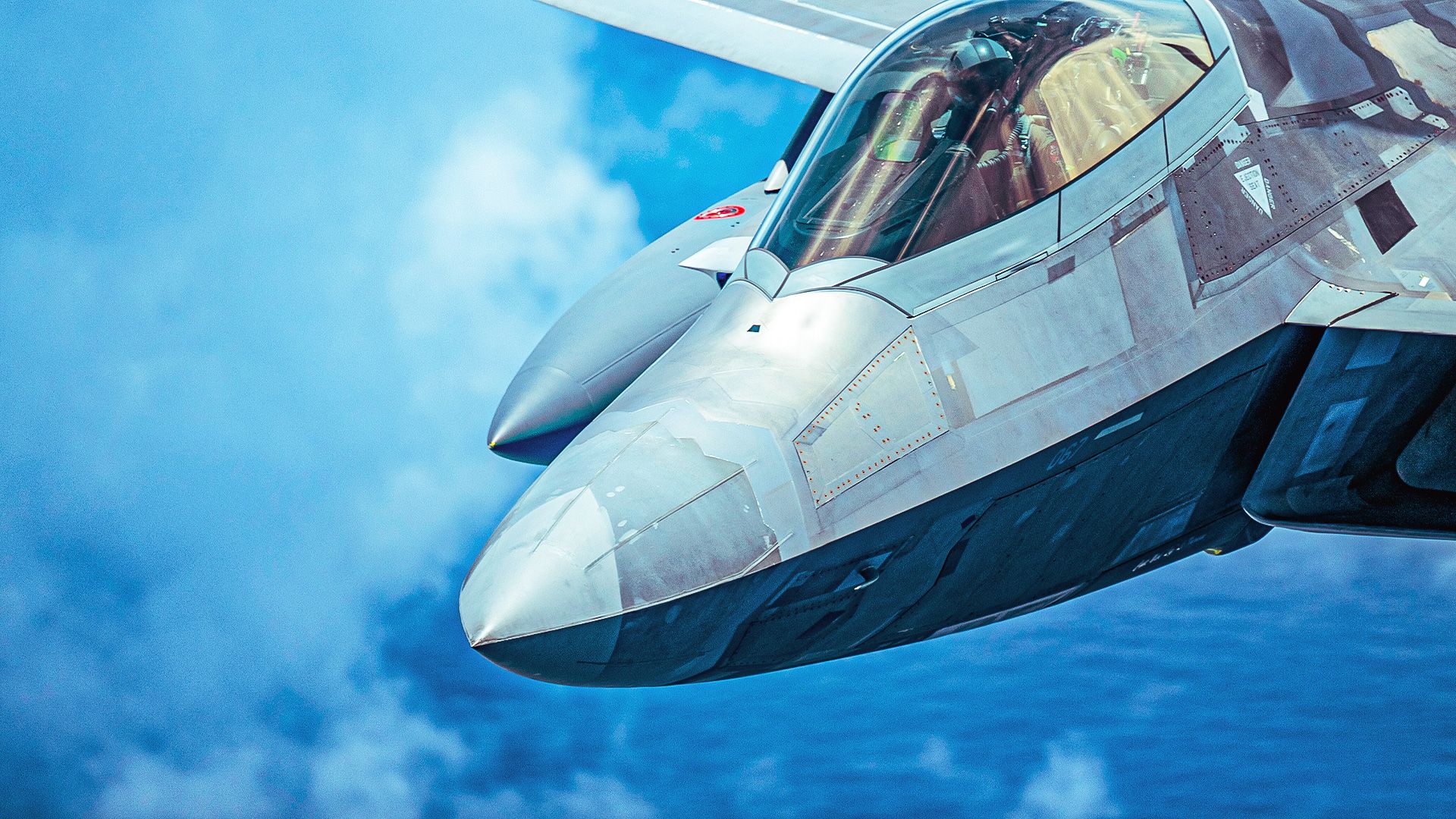
The balance between legacy aircraft and modern stealth platforms is a central theme in the USAF’s ongoing modernization efforts. Aircraft such as the F-22 Raptor and F-35 Lightning II embody the latest advancements in technology, featuring stealth capabilities that enhance survivability and mission success in contested environments.
Conversely, older models like the F-15 and F-16 continue to play vital roles, undergoing upgrades to extend their operational lifespan and effectiveness. This combination of old and new reflects the USAF’s strategic priorities, focusing on both immediate readiness and long-term resilience.
Funding for these modernization efforts comes from congressional decisions that allocate budgets to maintain and upgrade the fleet. As military needs evolve, so too does the composition of the fighter jet fleet, responding to changing global threats and technological advancements.
The USAF’s fighter fleet not only demonstrates its capability but also acts as a barometer for national defense strategies. The numbers reflect broader defense priorities, including investments in technology and the need for agile responses to international challenges.
In summary, while the question of how many fighter jets the USAF operates may seem straightforward, the answer reveals a complex narrative about the state of American airpower and its future. Understanding this context is crucial for comprehending the implications of military readiness and the ongoing evolution of the United States’ aerial capabilities.