
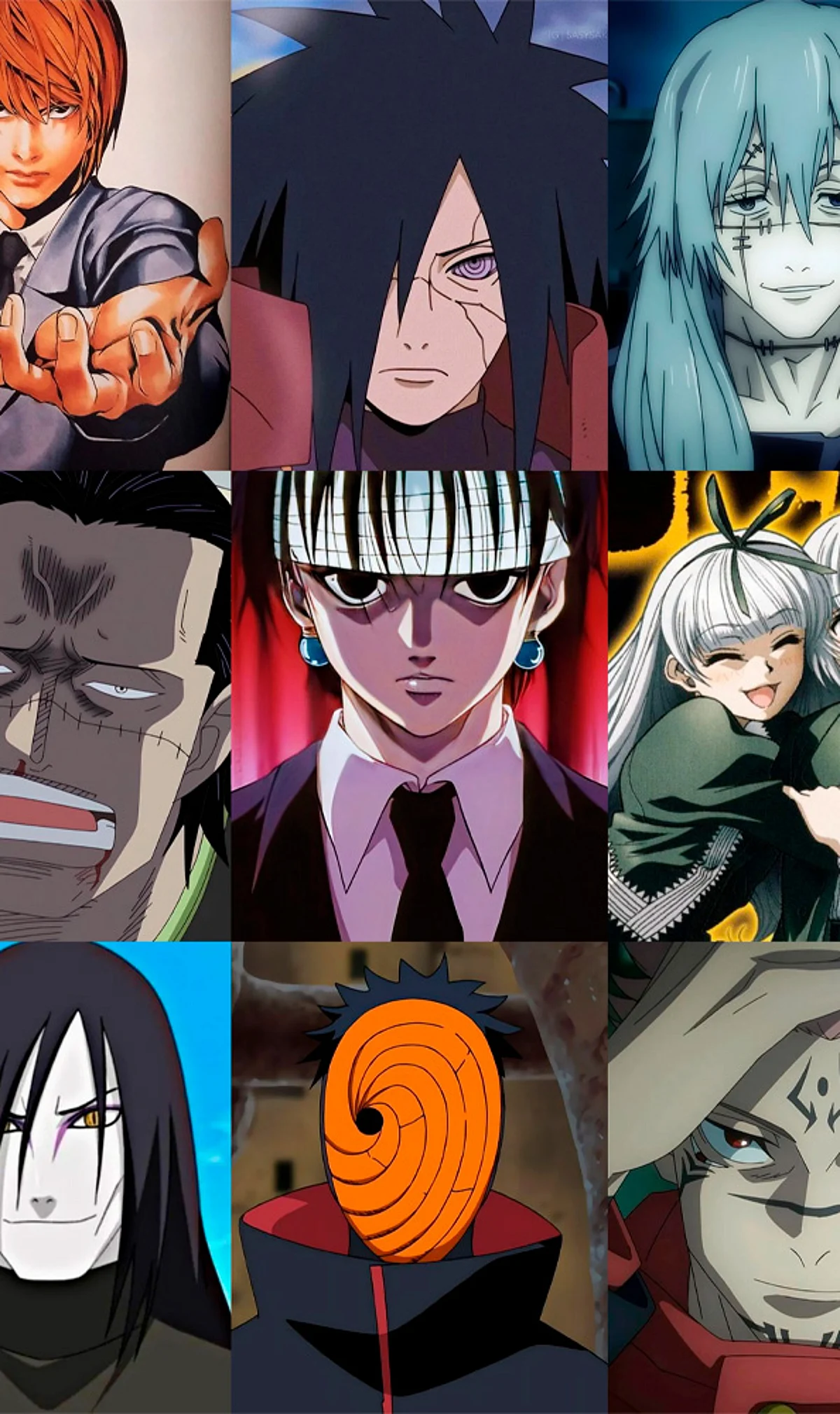
In the realm of anime, the portrayal of villains often extends beyond mere antagonism. Many characters, such as **Light Yagami** from *Death Note* and **Sosuke Aizen** from *Bleach*, challenge conventional morality, prompting viewers to reconsider their motivations and actions. This exploration delves into the complex nature of these characters, examining how their philosophies and decisions resonate with audiences and contribute to the broader narrative landscape of anime.
Understanding the Complexity of Anime Villains
Anime villains frequently embody deep-seated ideals that question societal norms. For instance, **Light Yagami**, who seeks to eradicate crime through the power of the Death Note, presents a moral dilemma. His belief in creating a world free of evil, while ultimately leading to catastrophic consequences, invites viewers to ponder whether the ends justify the means. His character, which debuted in 2003, has sparked extensive discussion about justice and morality, making him one of the most analyzed figures in anime history.
Similarly, **Madara Uchiha** from *Naruto* presents an intriguing case. His vision for a peaceful world, achieved through controlling the minds of others, raises questions about freedom and autonomy. Despite his ruthless methods, Madara’s underlying desire for peace reflects a profound disillusionment with the cycle of conflict that characterizes the series. This duality in motivation makes him a compelling antagonist, allowing audiences to empathize with his plight even as they condemn his actions.
The Impact of Antiheroes on Storytelling
The inclusion of morally ambiguous characters significantly enhances storytelling in anime. **Zeref Dragneel** from *Fairy Tail*, for instance, is driven by a curse that compels him to create destruction. His tragic backstory and desire to end his own suffering resonate with themes of despair and redemption. Characters like Zeref challenge traditional hero-villain dynamics, allowing for more nuanced narratives that reflect the complexities of human emotion.
**Kaguya Otsutsuki**, another formidable figure from *Naruto*, embodies the consequences of unchecked power. Her motives, rooted in a desire to protect her clan, spiral into tyranny, demonstrating the dangers of absolute authority. Her narrative serves as a cautionary tale about the lengths one might go to in the name of protection, further enriching the moral fabric of the series.
Moreover, figures such as **Sosuke Aizen** push the boundaries of villainy by portraying intelligence and charisma as formidable traits. His manipulation of events throughout *Bleach* reveals the darker side of ambition and the pursuit of knowledge. Aizen’s character illustrates that the quest for power can lead to profound consequences, making him an unforgettable antagonist.
Anime’s capacity to explore these themes reflects broader societal issues, making the genre a powerful vehicle for storytelling. The emotional depth of these characters not only captivates audiences but also encourages reflections on justice, morality, and the human condition.
In summary, the portrayal of anime villains like **Light Yagami**, **Madara Uchiha**, and **Kaguya Otsutsuki** reveals their complex motives and the significant impact they have on storylines. By inviting audiences to engage with these characters’ philosophies, anime transcends traditional narratives, prompting discussions that resonate with viewers worldwide. As a result, these antiheroes not only shape their respective stories but also influence broader cultural conversations about morality and justice.