
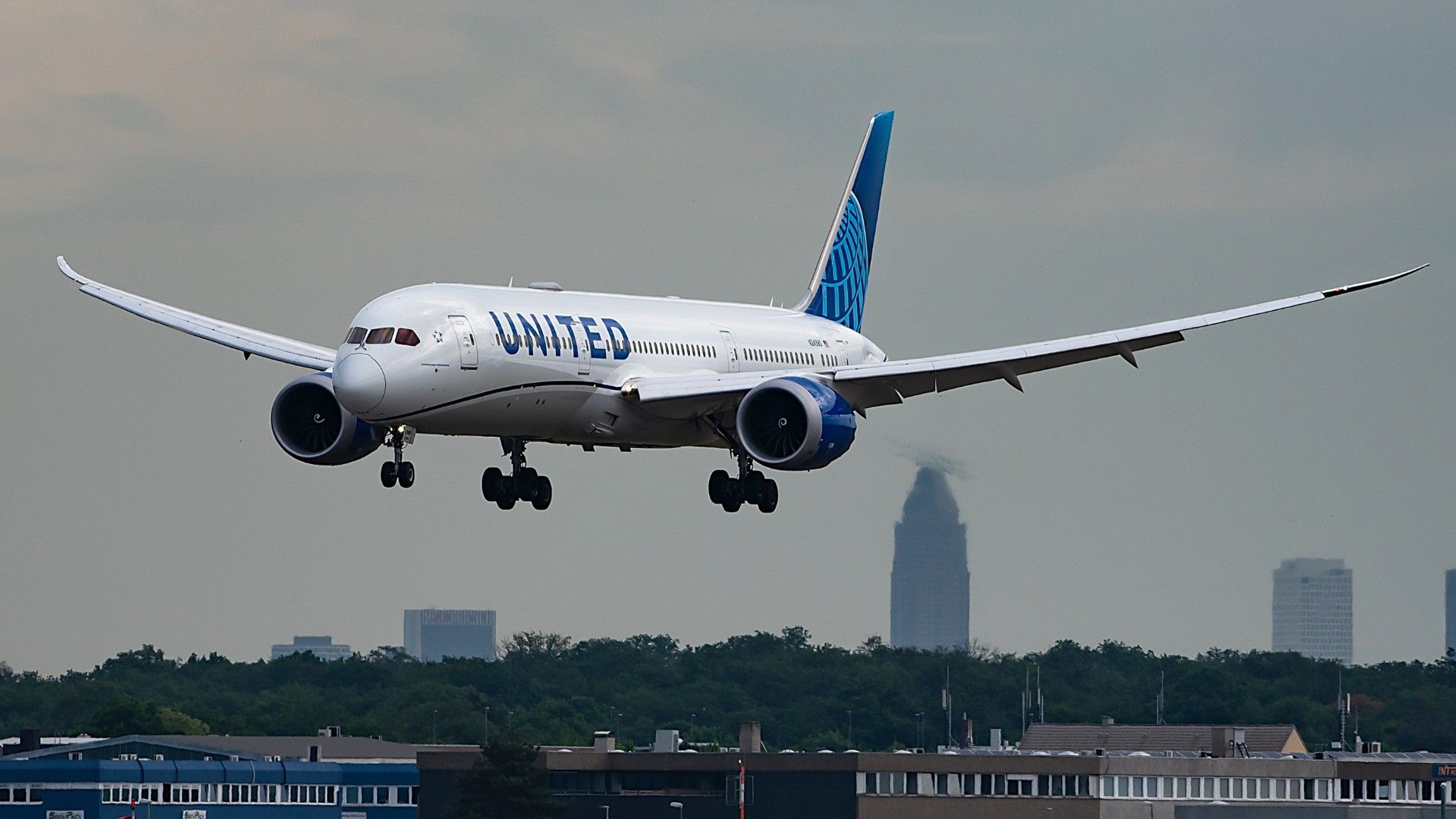
A near-catastrophic incident at Los Angeles International Airport (LAX) on March 2, 2024, saw a United Airlines Boeing 787-9 reject its takeoff at a speed of 106 knots after another United aircraft, an Airbus A321neo, entered the runway without clearance. The quick actions of the air traffic controller (ATC) were crucial in preventing a collision, allowing the A321 to clear the runway while cancelling the takeoff clearance for the departing Dreamliner.
The incident unfolded as the Boeing 787-9 was preparing for its flight to Hong Kong Airport (HKG). After receiving its takeoff clearance from Runway 24L, the aircraft began its roll. At the same time, the A321neo had just landed on parallel Runway 24R and was instructed to hold short of 24L. Despite acknowledging the instruction, the A321 failed to comply, leading to a runway incursion as the 787-9 accelerated for takeoff.
Emergency Procedures in Action
According to data from FlightRadar24, the Boeing reached a speed of 106 knots before the pilot executed a high-speed rejection of the takeoff. This maneuver, while critical for safety, resulted in the aircraft’s brakes overheating, necessitating a return to the terminal. Passengers and crew were unharmed, but the incident caused significant delays, with the flight ultimately departing over eight hours later than scheduled.
The flight, designated UA-152, typically departs LAX at 11:10 AM local time and is scheduled to arrive in Hong Kong at 07:15 PM the following day. Due to the delay, the aircraft finally took off at 07:13 PM local time, leading to an arrival in Hong Kong at 01:35 AM on March 3, 2024.
Impact on Flight Operations
The delay not only affected UA-152 but also disrupted subsequent flights. Following the late arrival in Hong Kong, the onward service to Ho Chi Minh City International Airport (SGN) was delayed by over six hours. The revised flight itinerary reflects the cascading effects of the incident, with all legs of the flight experiencing adjustments.
United Airlines operates unique routes within Asia, including this fifth freedom service that connects Los Angeles to Hong Kong, and continues onward to Vietnam. Such operations emphasize the airline’s strategic focus on international connectivity.
Investigators are now examining the incident to understand the circumstances surrounding the runway incursion. High-speed takeoff rejections are critical in aviation safety, and the incident raises important questions about adherence to ATC instructions. According to SKYbrary, the threshold for high-speed takeoff rejection typically occurs between 80 to 100 knots, at which point the aircraft’s aerodynamic forces significantly impact its control surfaces.
The swift responses from the pilots and air traffic control in this instance highlight the effectiveness of established safety protocols. Such incidents serve as reminders of the complexities involved in managing busy airports like LAX, where multiple flights operate simultaneously.
As investigations continue, United Airlines has been approached for further details regarding the incident. This event underscores the importance of stringent adherence to safety procedures in aviation, ensuring that both passengers and crew remain safe during their travels.