
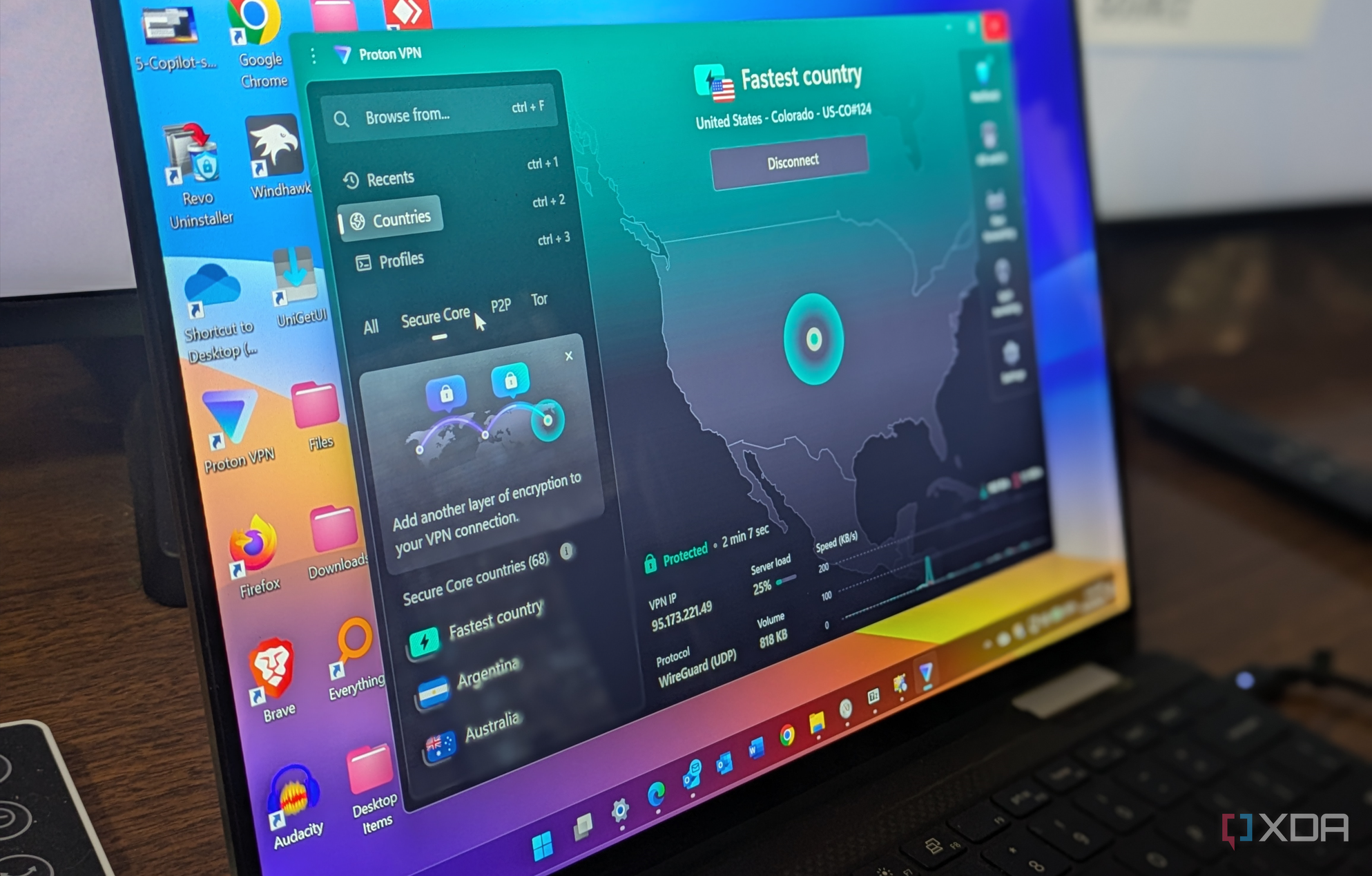
Accessing online accounts through a Virtual Private Network (VPN) can sometimes backfire. Many users experience access denials when trying to log into accounts while using VPNs, particularly in sensitive environments like hotels or public Wi-Fi. This situation arises from VPN detection technologies employed by websites and service providers to determine if traffic is being routed through a VPN. Understanding how these systems work can help users navigate potential barriers while maintaining their online security.
What is VPN Detection?
VPN detection refers to the methods used by websites, Internet Service Providers (ISPs), and network administrators to identify whether a user’s traffic is coming through a VPN. While VPNs encrypt data to protect user privacy, they do not completely disguise the use of a VPN. Websites often analyze identity signals, including whether the user’s IP address is part of a known VPN range, if multiple users are utilizing the same address, and if their activity aligns with their claimed location.
ISPs and firewalls focus on traffic patterns and behaviors typical of VPN connections, such as specific protocol usage and port activity. Even though these entities cannot decipher the encrypted data, they can recognize behaviors indicative of VPN traffic.
Reasons for Blocking VPNs
Contrary to popular belief, the blocking of VPNs is not merely corporate paranoia. Many organizations prioritize liability, regulatory compliance, and financial stability when implementing VPN detection measures. Allowing unauthorized traffic can lead to significant consequences, including fraud losses, breaches of licensing agreements, and regulatory scrutiny.
Several factors contribute to the enforcement of VPN blocking:
1. **Fraud Prevention**: Patterns such as shared IP addresses and rapid location changes can trigger alarms for banks, cryptocurrency exchanges, and e-commerce platforms, which view VPN signals as potential risks.
2. **Geo-Restrictions and Licensing**: Streaming services and content distributors often have region-specific contracts. VPNs can bypass these geographic limitations, putting companies at risk of legal action.
3. **Age Verification and Legal Compliance**: In jurisdictions like the United States and the United Kingdom, laws such as the UK Online Safety Act require companies to prevent minors from accessing restricted content. Non-compliance can result in fines or lawsuits.
4. **Government Regulations**: In some countries, ISPs are mandated to block VPN traffic as part of broader censorship efforts, often enforced through deep packet inspection.
5. **Workplace and Educational Policies**: Organizations may restrict VPN usage to maintain internal network security and prevent policy violations.
While not every instance of VPN blocking is justified, the predominant motivations revolve around risk management rather than a direct opposition to user privacy.
How Websites Identify VPN Use
The process of detecting VPNs is largely automated, relying on pattern recognition rather than manual monitoring. Websites collect various signals and evaluate whether a user’s behavior aligns more closely with typical residential users or with infrastructure-level traffic.
Common checks include:
– Identifying IP addresses associated with known VPNs.
– Monitoring the frequency and nature of traffic from specific addresses.
– Analyzing user behavior patterns that deviate from the norm.
No single factor guarantees detection; rather, platforms often combine multiple signals to create a risk profile. If enough indicators suggest non-standard activity, the user may be flagged.
Strategies to Minimize VPN Detection
While it is essential to adhere to ethical and legal standards, users may seek ways to reduce the chances of being detected while using a VPN. Legitimate reasons for minimizing detection can include enhancing security on public Wi-Fi, avoiding invasive tracking, and accessing lawful information in restrictive settings.
Strategies to consider include:
– **Using Obfuscated Servers**: These can disguise VPN traffic to resemble standard HTTPS, decreasing the likelihood of detection based on protocol analysis.
– **Stability Over Rapid Changes**: Frequent switching between countries can raise red flags. Maintaining a consistent connection helps reduce suspicion.
– **Dedicated IP Addresses**: Opting for a dedicated IP can lower the risk of being placed on shared blocklists.
– **Aligning Regional Settings**: Synchronizing time zones, language preferences, DNS settings, and browser configurations with the chosen server location can help mitigate mismatched signals.
– **Disabling WebRTC**: This can prevent browsers from revealing the user’s actual IP address, further safeguarding privacy.
– **Understanding Detection Context**: Recognizing the difference between workplace firewalls and ISP-level inspections can inform users about the type of detection they may encounter.
As VPN detection technologies evolve, the ongoing struggle between privacy advocates and regulatory bodies intensifies. Companies are under pressure to comply with regulations and prevent fraud, while VPN providers continuously adapt by rotating IP pools and enhancing obfuscation techniques. This ongoing cycle reflects the complexities of balancing privacy with compliance and security in an increasingly interconnected world.