
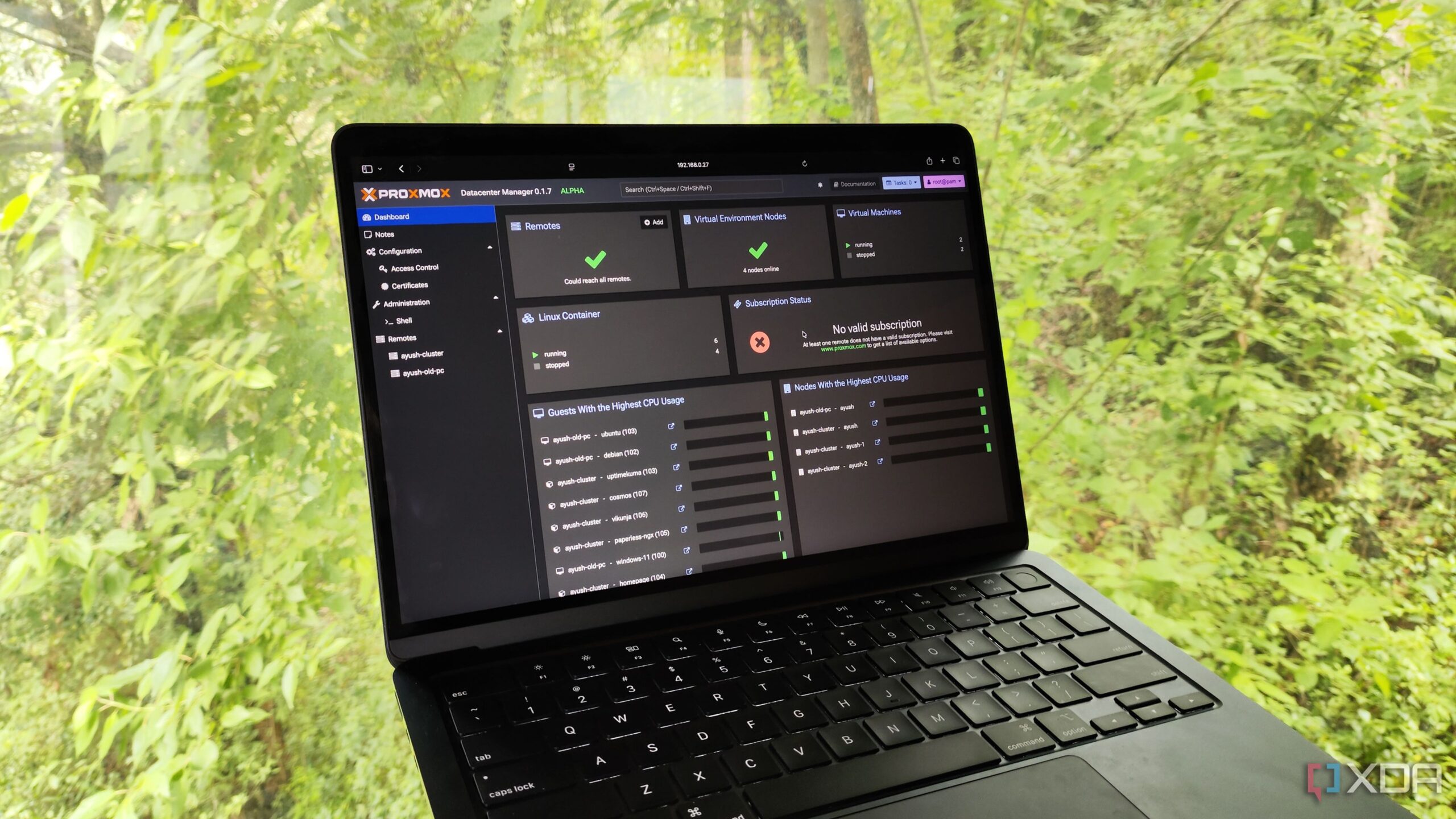
The allure of Free and Open-Source Software (FOSS) often leads users to believe that self-hosting is a cost-free venture. While the software itself may not come with a price tag, the reality is that self-hosting entails numerous hidden costs. This article explores five critical reasons why self-hosted solutions are not free, despite the initial appeal of zero-cost software.
1. Infrastructure Expenses
One of the most significant costs associated with self-hosting is the infrastructure required to support the software. This includes expenses related to hardware, such as servers and storage devices, as well as ongoing costs for electricity and internet connectivity. For instance, maintaining a reliable server can incur monthly bills that add up quickly, often exceeding the cost of using cloud services.
2. Technical Expertise
Self-hosting demands a certain level of technical proficiency. Users must possess the knowledge to set up, configure, and troubleshoot software applications. While many resources are available online, the time and effort required to learn these skills can be substantial. For those lacking technical experience, hiring professionals or consultants to manage these processes can further increase overall costs.
3. Maintenance and Updates
Keeping self-hosted systems operational requires ongoing maintenance. Software updates, security patches, and performance monitoring are essential to ensure reliability and security. Neglecting these tasks can lead to system vulnerabilities or downtime, which can be costly in both time and resources. Regular maintenance also requires a commitment of time and effort, which many users may underestimate.
4. Backup Solutions
Data loss can have dire consequences for any organization. Self-hosted solutions necessitate robust backup strategies to protect against hardware failures, data corruption, or security breaches. Implementing effective backup systems often involves additional costs, including purchasing backup hardware or subscribing to offsite storage services. These expenses can accumulate, making self-hosting less financially appealing.
5. Scalability Challenges
As usage increases, self-hosted solutions must be scaled accordingly. This can involve upgrading hardware, increasing bandwidth, or even reconfiguring the software itself. Each of these actions can incur additional costs. In contrast, many cloud service providers offer scalable solutions that allow users to pay only for the resources they consume, making them more cost-effective for growing businesses.
In conclusion, while self-hosting FOSS may initially seem like a free or low-cost option, the reality is that it requires careful budgeting and significant investment in infrastructure, expertise, maintenance, backup solutions, and scalability. Users must weigh these hidden costs against the benefits of self-hosting to make informed decisions. The misconception that self-hosting is synonymous with free software can lead to unexpected financial burdens.